
Hackers reportedly leak German defense and infrastructure files
 3 Min Read
A reported cyberattack on Berlin’s Senate exposed sensitive files linked to Germany’s military, defense companies, critical infrastructure and state authorities.
-
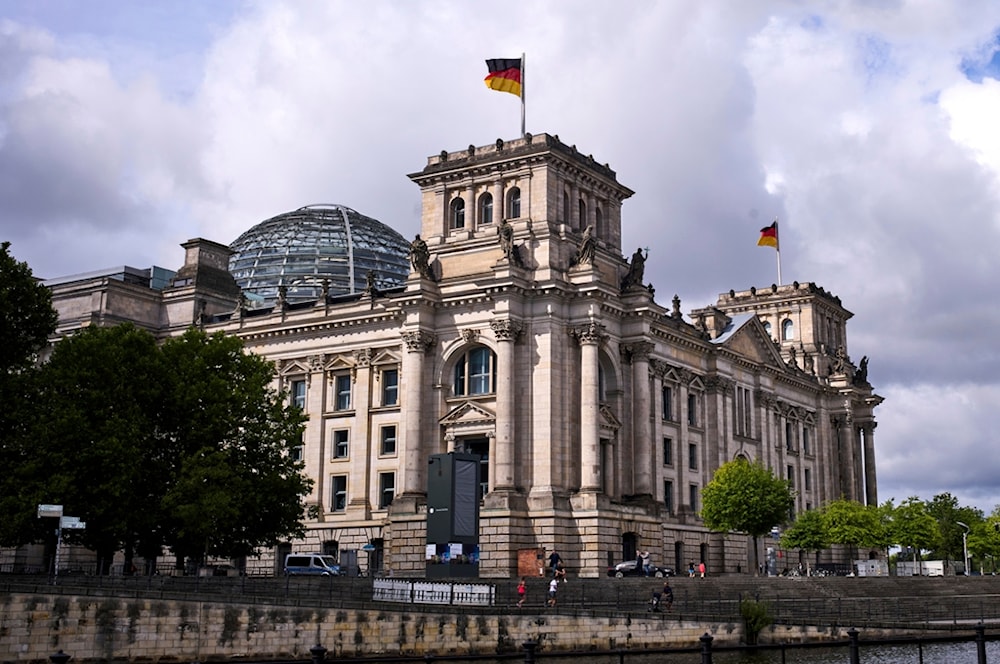
German national flags wave on top of the Reichstag Building, the house of the German parliament, the Bundestag, in Berlin, Germany, Tuesday, July 8, 2025. (AP Photo/Markus Schreiber)
Hackers who breached the Berlin Senate’s network and were denied a ransom payment by city authorities have reportedly released sensitive documents concerning the German Armed Forces and defense companies, Bild reported, citing sources.
The Berlin Senate Chancellery announced on August 17 that its network had been compromised. German media subsequently reported that the hacker group Rhysida had published around 1.4 million stolen files on the dark web after Berlin authorities refused to pay a ransom.
According to Bild, the leaked material includes documents related to the German Armed Forces, defense companies, and prisons, raising concerns over the extent of the information accessed during the breach.
Read more: Germany’s Merz under pressure after AfD election triumph
Sensitive defense and infrastructure data exposed
Among the material reportedly released are plans and contracts concerning the expansion of the German Chancellor’s residence.
The leaked files also allegedly contain documents detailing the architecture of critical infrastructure in Berlin, including power lines, power plants, and water supply systems.
The reported exposure of such information adds a wider security dimension to the cyberattack. Beyond the theft of administrative data, documents describing critical infrastructure could potentially provide detailed information about systems essential to the functioning of the German capital.
The hackers also reportedly obtained passwords stored in the capital’s databases, along with approximately 12,000 files containing personal data.
The breach therefore appears to have extended across multiple areas of Berlin’s administrative and economic networks.
Major companies among affected correspondence
According to the report, the hackers gained access to correspondence between Berlin authorities and major international companies, including Siemens, Amazon, Tesla, Nike, and Airbnb.
The reported access to corporate correspondence alongside government, defense, and infrastructure documents illustrates the breadth of the information allegedly compromised in the attack.
The incident also highlights the growing exposure of public authorities to cyberattacks targeting interconnected government networks. A breach of a municipal or regional administration can extend beyond routine public-sector information when the network contains communications with companies, contractors, security institutions, and infrastructure operators.
Berlin’s refusal to meet the reported €2 million ransom demand preceded the publication of the stolen files on the dark web, according to German media reports.
Read more: Cyber terrorism in 2026: AI, deepfakes, and power grids


