
Hormuz shipping drops sharply, only seven vessels transit the Strait
 3 Min Read
Shipping through the Strait of Hormuz fell sharply below recent averages as Iran and Oman continued negotiations.
-
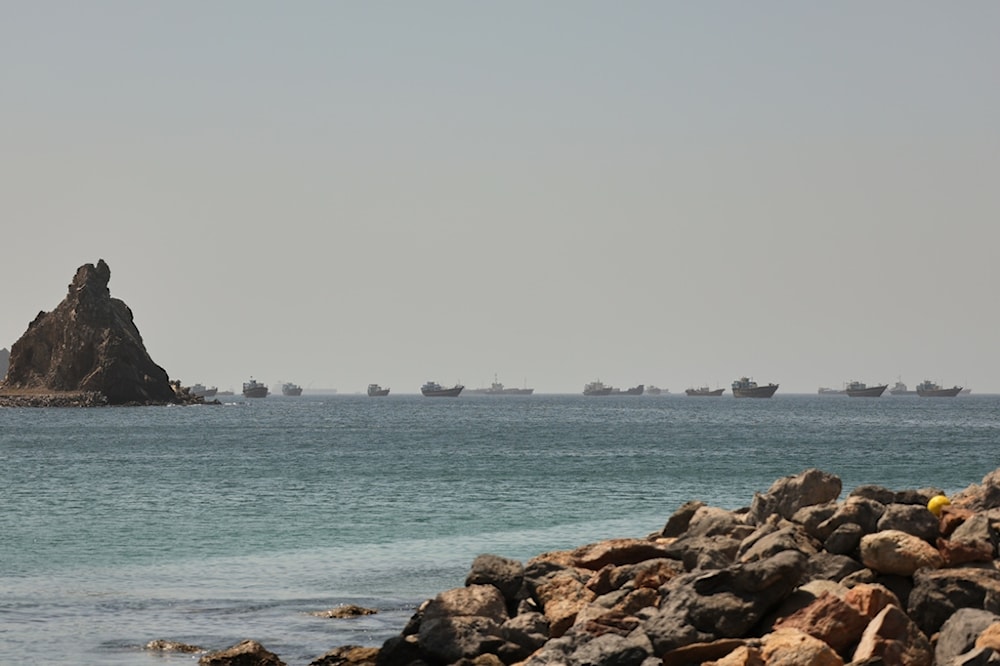
Tankers and cargo vessels are seen in the Gulf of Oman, along shipping routes linking the Strait of Hormuz and the Arabian Sea, Tuesday, June 16, 2026 (AP)
Commercial shipping through the Strait of Hormuz declined sharply on Thursday, with vessel movements falling well below recent levels as diplomatic efforts increasingly turn toward restoring normal navigation through the strategic waterway, Reuters reported.
Preliminary data from ship-tracking firm Kpler showed that only seven commodity vessels passed through the strait, compared with 17 the previous day and a 10-day average of 15.
The vessels included two medium-range tankers, two chemical tankers, an intermediate tanker, a very large gas carrier, and an Ultramax bulk carrier.
Four of the ships were leaving the strait, while three were entering.
Kpler noted that the figures remain preliminary, as some vessels switch off their transponders during transit, meaning additional movements may not immediately appear in tracking data.
Iran and Oman discuss temporary maritime corridor
The latest figures come as Iran and Oman continue negotiations over a new framework governing navigation through Hormuz, with Tehran stressing that the arrangement under discussion should not be understood as an unconditional reopening of the strait.
Al Mayadeen reported that the two sides have reached understandings on establishing a temporary jointly managed maritime corridor while technical negotiations continue over a permanent navigation route.
The interim arrangement is also expected to include joint Iranian-Omani mine-clearing operations, with further talks addressing traffic coordination, information-sharing, and the broader management of maritime and security services in the strait.
Proposed system would increase oversight of vessel movements
Iranian officials have said the proposed system would replace the previous northern and southern navigation routes with a new corridor divided between Iranian and Omani territorial waters.
Tehran has also proposed that vessels entering or leaving Hormuz be registered through a dedicated system intended to give Iran greater oversight over maritime traffic.
According to Iranian Deputy Foreign Minister Kazem Gharibabadi, the temporary arrangement would apply to commercial vessels, while military vessels would remain excluded.
Iran has repeatedly emphasized that the ongoing negotiations with Oman concern the regulation of navigation and do not amount to a full reopening of Hormuz.
Tehran maintains that any broader reopening remains tied to political and security conditions, including an end to the war on all fronts, the lifting of the blockade, and the fulfillment of commitments it says Washington previously violated.
Iranian and Omani officials are expected to continue technical discussions over the coming weeks as they work toward a permanent arrangement governing passage through the strategic waterway.
Read more: Iran, Oman agree on framework for Strait of Hormuz navigation


