
Iran seeks control over inbound shipping in Strait of Hormuz
 4 Min Read
Iran is seeking control over inbound shipping through the Strait of Hormuz and oversight of outbound traffic.
-
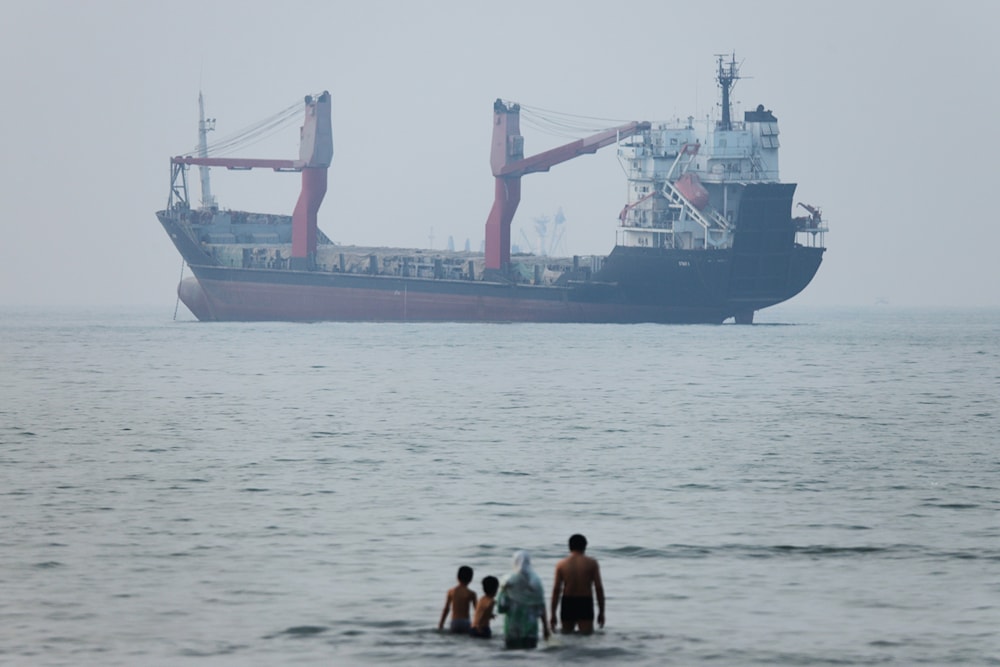
A group of people stands in shallow water as a cargo ship appears anchored in the Strait of Hormuz off Bandar Abbas, Iran, Tuesday, June 30, 2026 (AP)
Iran wants control over inbound shipping through the Strait of Hormuz and visibility over outbound traffic, with the ability to intervene if necessary, under a plan being discussed with Oman to reopen the strategic waterway, a senior Iranian source told Reuters on Tuesday.
The source, who is involved in the talks, said this is "the general idea currently being discussed" and specified that the outbound lane would follow a route between Iran and Oman, with exit clearance granted through Oman after notifying Iran.
"Tehran is unlikely to change its position," the source added.
Iran denies US talks, says Strait status tied to 'US aggression'
Earlier on August 3, a senior Iranian political and security source told Al Mayadeen that Iran is not holding any talks with the United States. The source accused US President Donald Trump of habitually lying and of blaming others rather than taking responsibility for undermining the prior understanding.
According to the source, Iran's actual talks are with Oman, its "permanent neighbor", given that the Strait of Hormuz lies entirely within the two countries' territorial waters. "The United States has always been a disruptive and destabilizing force," the source said, "and cannot present itself as the region's savior."
On the strait's status, the source said whether it stays open or closed "depends on the broader situation in the region," but stressed it will not reopen "as long as US aggression, the blockade, and other provocative measures against Iran continue."
The US military presence itself, the source added, is the core problem, since no country in the region wants war. "Everyone in the region understands that Netanyahu and Trump's recklessness has imposed an enormous and wide-ranging cost on them," the source concluded.
Tehran says no talks with US underway, confirms Oman negotiations
Likewise, Foreign Ministry spokesperson and member of the Iranian negotiating team Esmaeil Baghaei said on Monday that Iran is not holding any negotiations with the United States at present, adding that Tehran's ongoing discussions with Oman are focused exclusively on establishing a temporary safe shipping route through the Strait of Hormuz.
Baghaei said Iranian Foreign Minister Abbas Araghchi's recent regional contacts are aimed at addressing regional insecurity and protecting Iran's national interests, noting that all members of Iran's negotiating team are currently in the country.
Tehran, Muscat negotiating temporary Hormuz passage
Baghaei said the talks with Oman are centered on reaching an understanding over a temporary and secure navigation corridor through the Strait of Hormuz that would ensure the continued movement of maritime traffic.
He stressed that the negotiations are strictly bilateral and do not involve any third party.
According to Baghaei, the proposed route would be located between the northern and southern shipping lanes in a manner agreed upon by both Tehran and Muscat, while preserving the sovereign rights of both countries and safeguarding Iran's national interests and security.
The remarks come after US President Donald Trump said late Sunday that an agreement regarding the Strait of Hormuz would be reached, adding that another agreement concerning Iran's nuclear program was also expected. Trump also claimed that the United States was holding discussions with Iran over the format of future negotiations.
Baghaei rejected those assertions, saying Iran is not currently engaged in talks with Washington.
"There are no plans to host any mediating delegations or travel for negotiations in the coming days," he said.
He added that, under the existing memorandum of understanding, responsibility for managing the Strait of Hormuz rests with Iran, warning that the situation in the strategic waterway would remain unchanged if the United States continued to violate the agreement.


