
IMO warns of rising Gulf ship attacks, 20,000 sailors stranded
 3 Min Read
The International Maritime Organization reports 29 verified attacks on vessels in the Persian Gulf and Strait of Hormuz, leaving around 20,000 seafarers stranded as evacuation plans are prepared.
-
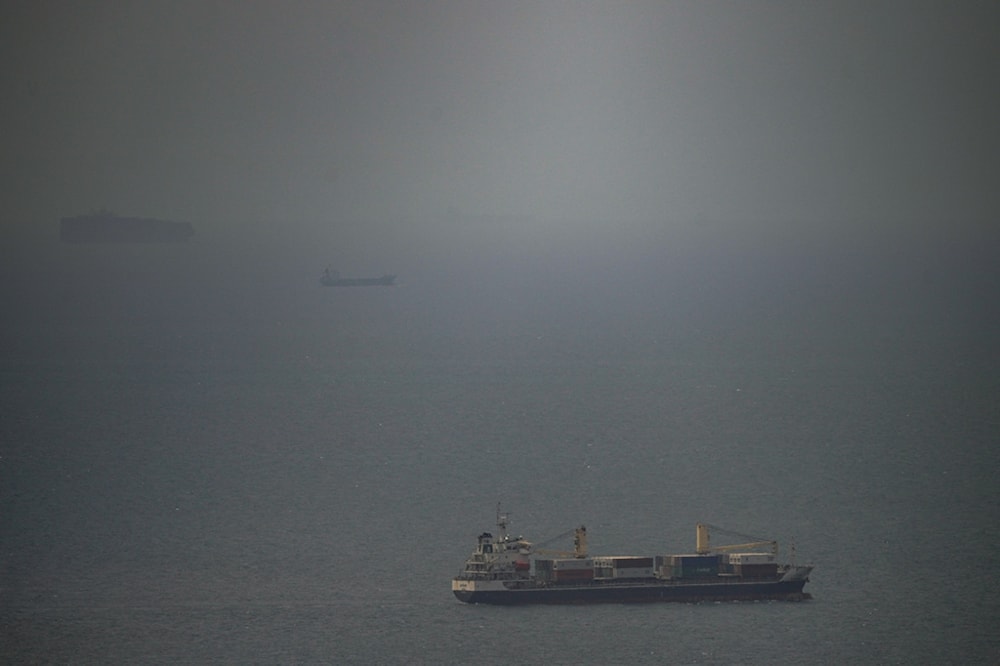
A cargo ship sails in the Persian Gulf toward the Strait of Hormuz, Wednesday, April 22, 2026. (AP Photo)
The International Maritime Organization said Friday that attacks targeting commercial shipping in the Gulf region have continued to rise amid the ongoing aggression on Iran, with dozens of incidents now confirmed.
"[Twenty-nine] attacks on vessels in the Persian Gulf and around the Strait of Hormuz had been verified by IMO since the beginning of the conflict," the IMO said in a statement.
The latest figures point to a worsening security environment along one of the world’s most critical maritime corridors, the Strait of Hormuz, where tensions have disrupted navigation and left thousands of seafarers unable to safely move.
IMO Secretary-General Arsenio Dominguez warned that conditions aboard stranded vessels are becoming increasingly difficult, noting that essential supplies could soon be depleted. He also acknowledged the role of regional states in helping sustain affected crews by delivering basic provisions.
"[The] IMO is working with Member States and partners on an evacuation plan for seafarers, ready to implement once it is safe to do so. This includes compiling a list of affected vessels and prioritizing them based on humanitarian needs," the statement read.
Earlier in April, the IMO had reported 21 such incidents and confirmed 10 fatalities. While no additional deaths have been recorded since then, the humanitarian toll continues to grow, with an estimated 20,000 seafarers aboard around 1,600 ships still unable to leave the area.
Hormuz blockade standoff
On April 17, Iran announced the reopening of the Strait of Hormuz as part of a ceasefire arrangement, signaling a potential de-escalation and a return to maritime activity. However, the United States maintained its naval blockade, announced on April 12-13, continuing to intercept and restrict vessels linked to Iranian ports despite claims that the waterway had been "reopened."
In parallel, US forces have also targeted Iran-linked shipping through interceptions and seizures, detaining vessels suspected of carrying Iranian oil or engaging in trade tied to Iranian ports as part of sanctions enforcement measures.
As a result of persistent violations on part of the US, Iran has taken retaliatory measures at sea, including the seizure of vessels and the restriction of maritime movement, arguing that the continued blockade renders any safe reopening of the waterway unworkable.
Read more: EU holds Nicosia summit on energy crisis, Strait of Hormuz


