
Iran attacks strain US systems, prompts Gulf to explore new options
 4 Min Read
Saudi Arabia, the UAE, and Qatar are turning to South Korean, British, and Ukrainian weapons after US air defense stocks were depleted during six weeks of Iranian retaliatory strikes.
-
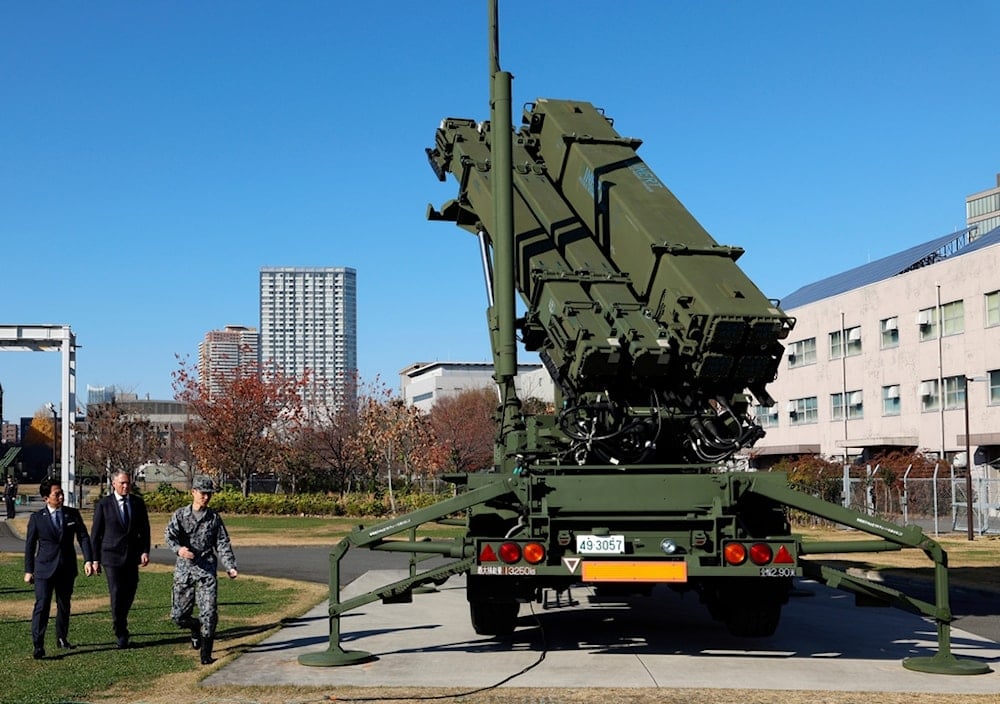
A Patriot Advanced Capability-3 (PAC-3) missile interceptor unit deployed at the Defense Ministry in Tokyo, Japan, Sunday, Dec. 7, 2025 (AP)
Six weeks of Iranian missile attacks on US-linked targets have sapped air defense stocks in West Asia, and America's closest Gulf allies are now scanning the world for alternative missile defenses, the Wall Street Journal reports.
Saudi Arabia, Qatar, and the United Arab Emirates are turning to South Korean missile-defense systems, Ukrainian interceptor drones, and low-cost British missiles designed to take down drones.
The rush shows how the US and Gulf nations were caught off guard by the scale of Iran's response and how cheap drones such as the Shahed are enabling mass attacks. It also exposes the US arms industry's lack of capacity despite a surge in demand since the Russia-Ukraine war began four years ago.
Gulf states seek alternatives
Saudi Arabia has reached out to Japan, which makes Patriot interceptors, and has asked South Korea's Hanwha and LIG Nex1 to accelerate delivery of their M-SAM system, according to people familiar with the matter. Riyadh has also signed a defense cooperation deal with Ukraine focused on weapons production and experience sharing.
Qatar has signed a similar cooperation agreement with Ukraine, and Qatari officials recently visited a Ukrainian training ground for interceptor drones. The UAE has already used the South Korean M-SAM system to down Iranian munitions, a South Korean lawmaker said, and is in talks with Kiev about a defense cooperation pact.
A spokesperson for the UAE said the country has "diverse, integrated, and multilayered air defense systems" and "a robust strategic stockpile of munitions." A Saudi official said, "We are working seamlessly with US providers but we also have excellent relationships with others."
US production cannot keep up
At the heart of the problem is that US arms production cannot keep up with a world at war. The Trump administration moved forward with $23 billion in weapons sales to the UAE, Kuwait and Jordan, including Patriot PAC-3 missiles, but some supplies will take years to deliver.
Nearly 20 countries use the Patriot system, and supplies have already been drained by the Ukraine war. Switzerland said last week that it is considering canceling an order for Patriot systems placed in 2022 due to persistent delays after the US reprioritized deliveries to Ukraine.
British and Ukrainian alternatives
Last month, officials from several Gulf states met defense companies at a British army barracks, where UK minister Luke Pollard asked executives what they could deliver within 30, 60, and 90 days. Executives responded by asking how they could satisfy increased demand from the UK, Ukraine, and Gulf states simultaneously.
Ukrainian arms makers have been approached by Gulf officials for interceptor drones and electronic warfare equipment, though they do not necessarily have supplies to spare. One supplier produces more than 10,000 interceptor drones a month but says they are needed to meet high demand in Ukraine.
Arms startups are also getting involved. Johannes Pinl, whose company sells software and equipment for signal jamming and bullet-based air defense, received an inquiry from a regional official soon after the war started, asking, "We need more ASAP, what more do you have on the shelf, what can you get to me?"
The Gulf's search for alternatives marks a significant shift for countries that have long relied on US weapons systems. While officials publicly maintain strong ties with Washington, the scramble for new suppliers suggests that the US-Israeli war on Iran has exposed vulnerabilities that American arms manufacturers cannot quickly address.
For the Gulf states, the lesson is clear: when it comes to air defense, depending solely on the United States may no longer be enough. The question is whether these new relationships will outlast the war, or whether the shift away from US suppliers will become permanent.
Read more: US mulls redirecting Ukraine-bound weapons amid war on Iran strain: WP


