
Iran rejects removing enriched uranium in US talks
 3 Min Read
Iran says it will not export nuclear materials in talks with the US, while indirect negotiations continue under mounting pressure.
-
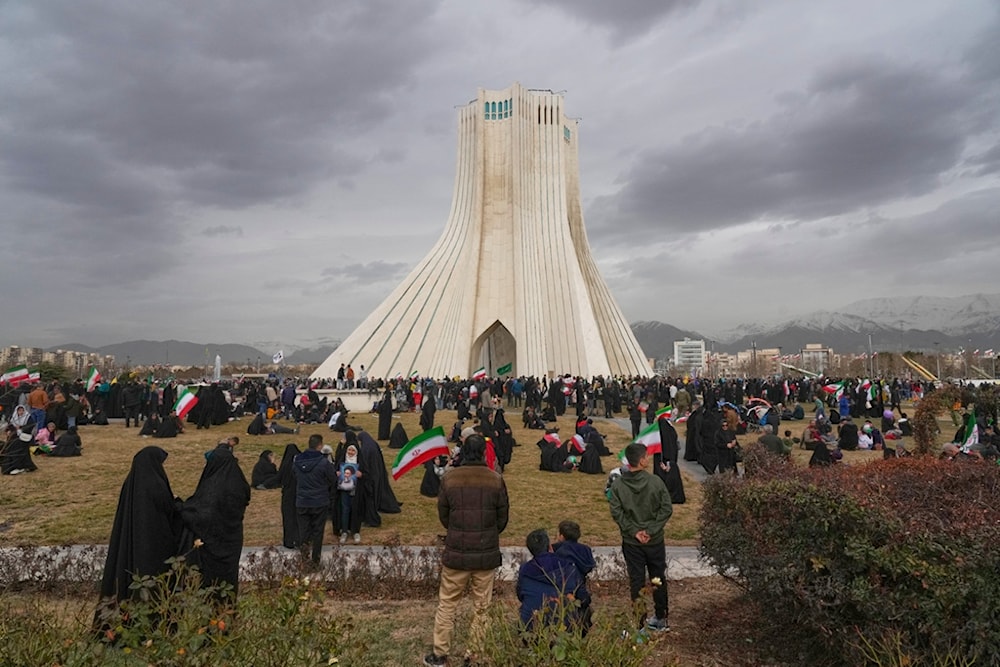
People attend an annual rally marking 1979 Islamic Revolution as they gather around the Azadi (Freedom) monument tower in Tehran, Iran, Wednesday, February 11, 2026. (AP Photo/Vahid Salemi)
Iran stated on February 21 that it does not plan on removing nuclear materials, including highly enriched uranium, from the country as part of a potential deal with the United States, a diplomatic source familiar with the indirect Iran-US talks told ISNA.
"In negotiations with the United States, we stressed that nuclear material will not be removed from the country," the source told ISNA, when questioned about a possible export, including 60% enriched uranium. The sources also added that Russian representatives are aware that the materials will not be removed.
The source further added that Iran would reduce enrichment levels, but that Tehran will show "no flexibility" regarding zero enrichment.
This comes after Russia's Rosatom CEO Alexey Likhachev said on February 18 that the state nuclear corporation is technologically capable and prepared to remove highly enriched uranium from Iran, but that the parameters of this work will be determined by Tehran.
Read more: Araghchi demands evidence for Trump’s 32,000 death toll claim
Iran-US negotiations
Iran has now held two rounds of indirect nuclear talks with the US, the initial meeting on February 6 in Oman and the second on February 17 in Geneva, the first since the talks collapsed in the wake of the Israeli-US aggression on Iran in June last year.
Iran's Foreign Minister, Abbas Araghchi, said following talks in Geneva that both Tehran and Washington agreed to develop a draft framework for a potential deal, and that both parties would begin negotiating specific wording in the next meeting, adding that the process was "a normal way of any international negotiations."
Araghchi also added that the IAEA Director-General, Rafael Grossi, played a useful role in the latest round of talks.
Negotiations are occurring under considerable US pressure, with the Trump administration continuing to demand a total ban on enrichment and US President Donald Trump stating that Washington would launch a military strike on Iran if talks fail to reach an agreement within 10 to 15 days.
Arachchi confirmed that Iran was "ready for peace and diplomacy to the same extent" that it was ready to defend itself, highlighting there was "no military solution" to the nuclear file. "The only way to ensure the programme remains peaceful is through negotiation and a diplomatic solution," he said.


