
Iranian Foreign Minister Abbas Araghchi updates region on US talks
 3 Min Read
Iran briefed Turkey, Egypt, and Saudi Arabia on indirect US talks in Muscat, affirming openness to diplomacy while rejecting pressure and threats.
-
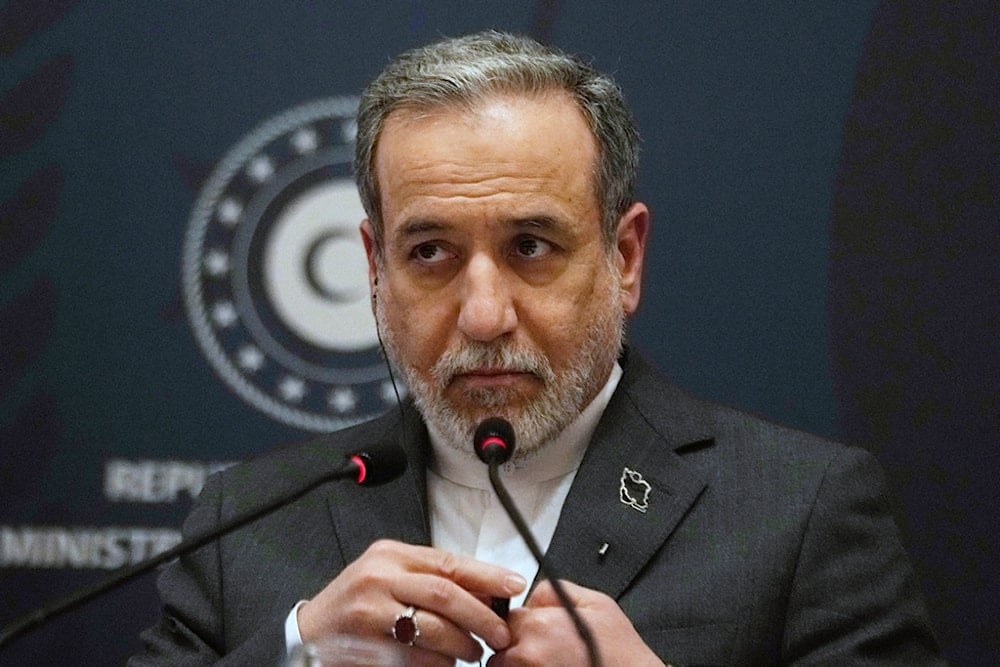
Iranian Foreign Minister Abbas Araghchi speaks to journalists during a press conference in Istanbul, Turkey, Friday, Jan. 30, 2026. (AP)
Iranian Foreign Minister Abbas Araghchi held separate phone conversations on Monday with his counterparts in Turkey, Hakan Fidan; Egypt, Badr Abdelatty; and Saudi Arabia, Prince Faisal bin Farhan, to discuss the ongoing indirect negotiations with the United States.
According to Iran’s Foreign Ministry, Araghchi provided updates on the Muscat talks, describing them as a constructive beginning. He emphasized the importance of dispelling doubts surrounding the intentions and objectives of the US side.
The regional foreign ministers welcomed the resumption of dialogue and underscored the importance of continuing negotiations to avoid further escalation and promote regional stability.
Muscat talks mark start of indirect Iran-US negotiations
The negotiations in Muscat, facilitated by Oman, mark the first indirect engagement between Tehran and Washington since the aggression launched by "Israel" and the US against Iran in June.
Iranian officials, including President Masoud Pezeshkian, have described the talks as “a step forward,” reflecting a renewed regional and international effort to resolve key disputes, particularly around Iran's nuclear program.
Araghchi: diplomacy and resistance go hand in hand
Speaking earlier at the National Conference on Policy and History of Foreign Relations in Tehran, Araghchi affirmed Iran’s dual-track approach. “We are a people of diplomacy, and of war, though we do not seek [war],” he declared.
He warned that pressure or military threats will not force Iran into concessions. “Iran is capable of diplomacy and capable of war, even if it does not want it,” he said.
Araghchi reiterated Iran’s refusal to eliminate its uranium enrichment program, affirming that “no party has the right to demand that we zero out uranium enrichment.”
Regional support for diplomatic progress
The ministers of Turkey, Egypt, and Saudi Arabia acknowledged the significance of this renewed diplomatic channel. According to Iran’s Foreign Ministry, they voiced strong support for continuing negotiations to foster de-escalation and regional security.
This regional backing is viewed in Tehran as a vital component of a broader push to stabilize the region amid increasing tensions, including daily aggressions by "Israel" in occupied Palestine and Lebanon.
US envoys participate in first round in Oman
The first round of indirect talks was held on February 6 in Muscat, with participation from former US officials Steve Witkoff and Jared Kushner, alongside Araghchi.
Prior to the meeting, Axios had reported that Egypt and Turkey played a role in facilitating the encounter between Tehran and Washington.
Iranian state media, including IRNA, reported that a political statement resulting from the talks could be a step toward easing regional tensions and laying the groundwork for resolving the nuclear file. According to IRNA, both sides appear more aware of the costs of escalation and the mutual interest in crisis management.
The Muscat round is marked by a stronger sense of realism, with Iranian officials stressing a clear agenda and focus on securing tangible outcomes that respect the country’s sovereignty and rights.


