
Iranian security forces detain dozens amid riots across provinces
 4 Min Read
Over 100 individuals have been detained by Iranian security forces across several provinces amid ongoing Iranian riots. Officials cite foreign interference for escalating the unrest.
-
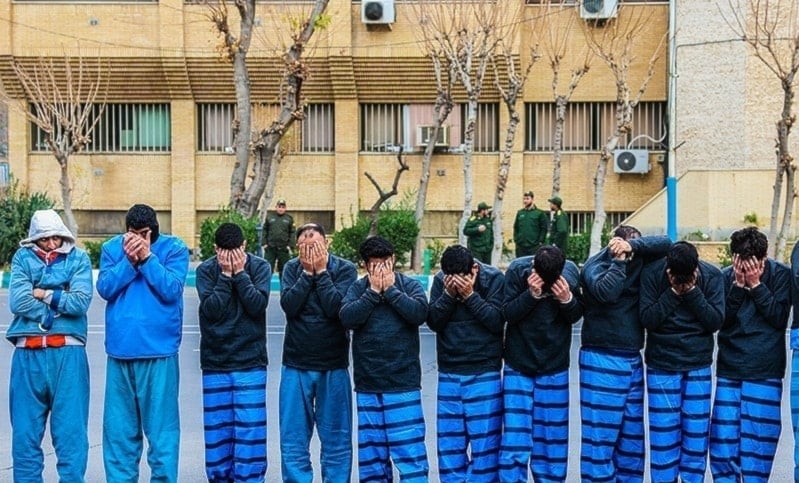
Photo of the rioters detained by Iranian security forces on January 10, 2026 (Tasnim)
More than 100 individuals have been detained across several provinces in Iran in connection with recent riots, as officials blame foreign interference for escalating unrest that began as economic protests.
In Lorestan province, security forces in coordination with military and intelligence bodies detained over 100 individuals for involvement in acts of insecurity across multiple cities, according to Tasnim news agency.
Authorities also reported the dismantling of two "terrorist teams," one comprising four members in Borujerd and another of seven in Khorramabad, who were allegedly armed with firearms and bladed weapons and planning violence in the region.
Police commended residents for their cooperation and encouraged the public to report any security-related information through the Ministry of Intelligence and Islamic Revolution Guards Corps (IRGC) hotlines.
Read more: True colors of Iran 'protests': Armed rioters kill, burn citizens
Key riot leaders arrested
In North Khorasan province, a security source told Tasnim that key leaders of riots in the provincial capital, Bojnourd, had been arrested following investigations. The source stated those detained had direct links to foreign organizations involved in organizing and directing the unrest.
The source added that the suspects were in contact with intermediaries connected to foreign intelligence services and were orchestrating acts of vandalism. Confessions from the suspects reportedly revealed plots to fabricate fatalities and blame the Islamic Republic for deaths, suggesting broader aims beyond peaceful protest.
The source emphasized that arrests would continue until stability was restored in North Khorasan.
Foreign actors change intention of protests
At a press conference, Constitutional Council spokesman Hadi Tahan Nazif said foreign actors had transformed economic protests into violent riots. He extended condolences to those killed in the violence, including security personnel.
Nazif reported the death of a Constitutional Council election supervisor in Qazvin and referred to “hidden hands” behind the violence. He blamed these actors for the deaths of over 1,000 Iranians during the 12-day war in June and called for strong public support for holding those responsible accountable.
Authorities reported substantial damage to emergency infrastructure. Tehran Fire Department chief Ghodratollah Mohammadi said 43 fire engines were damaged and eight destroyed during two days of riots.
Mohammadi stated that rioters blocked emergency vehicles, forced crews out, and vandalized equipment. One Tehran fire station was attacked and looted, while 15 fire engines were damaged in Isfahan and five in Ahvaz.
Head of Tehran’s Fire department gives statistics:
— Arya - آریا (@AryJeay) January 10, 2026
• Over 50 heavy vehicles (such as fire trucks) have been damaged nationwide, with 8 fire trucks completely out of use, up and till now
• In Tehran, rioters set fire to fire trucks while they were en route to a residential… pic.twitter.com/Pjr9W5iGYc
He noted that around half of Tehran’s emergency firefighting operations could not be conducted during the unrest, with daily emergency calls doubling from 3,000 to 6,000. Replacing destroyed vehicles, many of which were imported using foreign currency, would be both costly and time-consuming.
Read more: Sayyed Khamenei: Iran will not tolerate collaborators
Rioters destroy property
In Gilan province, Chief Justice Majid Elahian said a courthouse in Rasht was set on fire during the unrest, temporarily halting judicial services. He said mosques, copies of the Qur’an, shops, banks, and a clinic were also set ablaze, resulting in the deaths of three nurses.
Elahian confirmed that arrests were ongoing and warned that those responsible would face severe punishment. He also pointed to the involvement of the United States and "Israel" in the violence.
Tasnim further reported that Farajollah Shooshtari, the son of martyred IRGC commander Noor Ali Shooshtari, was killed in a terrorist attack in Mashhad on Friday night. Shooshtari was described as a cultural and social activist.


