
Oman considers fees for safe passage through Strait of Hormuz
 2 Min Read
Oman is considering introducing fees for maritime services in the Strait of Hormuz to guarantee navigational safety, while opposing outright tolls for ship transit, Omani Foreign Minister Badr Albusaidi has said.
-
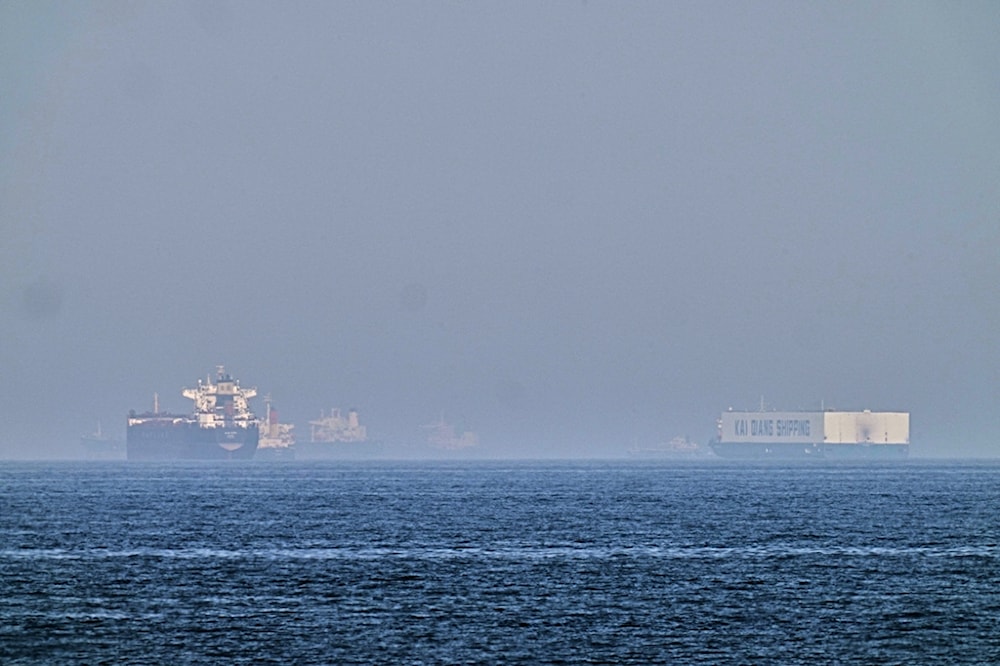
A tanker, left, and a car carrier are anchored at sea in the Gulf of Oman near the Strait of Hormuz, as seen from the coast near Khor Fakkan, United Arab Emirates, Friday, May 1, 2026 (AP Photo/Fatima Shbair)
Oman is considering introducing fees for maritime services in the Strait of Hormuz to guarantee navigational safety, while opposing outright tolls for ship transit, Omani Foreign Minister Badr Albusaidi has said, according to French radio Monte Carlo Doualiya.
Speaking after the first meeting of the joint Iran-Oman committee on the Strait of Hormuz held last week in Muscat, Albusaidi said Oman aims to keep navigation through the waterway safe and open to all, given the importance of this maritime artery to the global economy and regional states, including Iran.
The minister stated that Muscat does not support charging ships for transit, but does not rule out offering maritime services such as navigational safety, emergency preparedness, and pollution response, similar to those in place in the Malacca and Singapore straits. Any new measures regarding the strait will be taken after consultations with the countries and companies that use it.
Demining responsibility lies with Iran
Speaking about demining the waterway, Albusaidi said that Muscat is open to proposals, but emphasized that the primary responsibility for clearing the strait lies with Iran.
The comments reflect Oman's position as a mediator between Iran and the Gulf states, balancing its relations with Tehran while maintaining ties with its Arab neighbors.
Iran's new legal framework for Hormuz
Iran said in mid-June it was working in coordination with Oman to lay out a new legal framework for shipping in the strait. Iranian Foreign Minister Abbas Araghchi said it would not be business as usual after the US-Israeli war on Iran. Iran argues it will charge fees for services to ensure safe passage, not tolls.
After agreeing the memorandum with the United States, Iran committed on June 18 to not charge ships any money for 60 days.
The new framework, once implemented, is expected to reshape the management of the strategic waterway, through which approximately one-fifth of global oil supplies pass.


