
Starmer orders probe into security risks tied to Mandelson’s US role
 4 Min Read
Keir Starmer launches an investigation into Peter Mandelson’s vetting as UK ambassador to the US, citing serious transparency and security concerns.
-
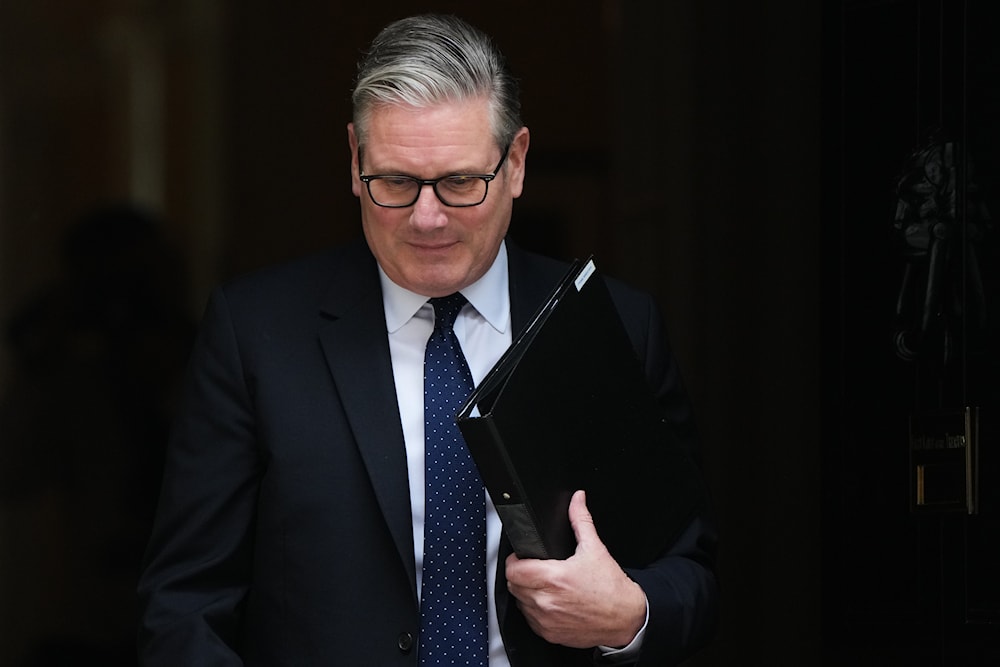
Britain's Prime Minister Keir Starmer leaves 10 Downing Street in London, Monday, April 20, 2026, to face a showdown in Parliament over the appointment of Peter Mandelson as ambassador to Washington (AP)
UK Prime Minister Keir Starmer has ordered an investigation into potential security concerns surrounding Peter Mandelson’s tenure as UK ambassador to the United States, as he delivered a detailed statement in Parliament addressing what he described as serious failures in the vetting and information-sharing process, The Guardian reported.
Starmer told MPs that he accepted responsibility for appointing Mandelson, saying, “Before I go into the details, I want to be very clear with this house that while this statement will focus on the process surrounding Peter Mandelson’s vetting and appointment, at the heart of this there is also a judgement I made that was wrong,” adding: “I should not have appointed Peter Mandelson.” He said he had only recently learned key details that should have been disclosed much earlier.
Outlining the timeline, Starmer said Mandelson’s vetting took place in December 2024 and January 2025 after his appointment had already been announced.
He told Parliament that on January 28, 2025, UK Security Vetting “recommended to the Foreign Office that developed vetting clearance should be denied to Peter Mandelson,” but the Foreign Office chose to overrule the recommendation. He said that power has since been suspended by Downing Street.
Starmer takes aim at foreign office's lack of transparency
Starmer criticized the lack of transparency within government, stating, “To that I can only say they are right. Throughout the whole timeline of events, officials in the Foreign Office saw fit to withhold this information from the most senior ministers in our system in government.” He added, “That is not how the vast majority of people in this country expect politics, government or accountability to work.”
He said he could not understand why ministers were not informed of the initial refusal, arguing, “There is no law that stops civil servants sensibly flagging UKSV recommendations while protecting detailed, sensitive vetting information.”
Starmer added, “Had I known before he took up his post that the UKSV recommendation was that developed vetting clearance should be denied, I would not have gone ahead with the appointment.”
The prime minister also criticized what he called failures by senior officials, including a review led by then-civil service head Chris Wormald that concluded normal processes had been followed. He described it as “astonishing” that key facts were still not disclosed and said it was “frankly staggering” that concerns were not passed on during a subsequent review ordered by Downing Street.
Starmer further said, “That the foreign secretary was advised on and allowed to sign this statement by Foreign Office officials without being told that UKSV had recommended Peter Mandelson be denied developed vetting clearance is absolutely unforgivable.”
He concluded that he only learned of the full details on Tuesday, adding, “This is information I should have had a long time ago, and it is information that this house should have had a long time ago.”
The scandal at hand
The scandal involving Peter Mandelson’s appointment as UK ambassador to the United States emerged from a breakdown in security vetting and government communication between late 2024 and 2026.
In December 2024, Prime Minister Keir Starmer appointed Peter Mandelson as ambassador to the United States. Security vetting was carried out afterward in December 2024 and January 2025, rather than before the appointment was publicly confirmed, as is now the revised procedure.
On January 28, 2025, UK Security Vetting (UKSV) recommended that Mandelson be denied developed vetting clearance. However, the Foreign Office chose to override that recommendation, a decision that was not passed on to senior ministers or the prime minister.
The issue escalated later in 2025 when scrutiny of the appointment process increased, and Mandelson was eventually dismissed as ambassador in September 2025 following further concerns and political pressure. Internal reviews at the time failed to properly disclose the earlier vetting refusal to senior leadership.
By April 20, 2026, Starmer told Parliament he had only recently been informed of the original security veto. He admitted the appointment should not have happened, stating, “I should not have appointed Peter Mandelson,” and ordered an investigation into why key vetting information was withheld from ministers.


