
Tokyo distances itself from MP’s push to lift Russia sanctions
 3 Min Read
Japan has declined to comment on an LDP lawmaker’s Moscow visit and call to lift Russia sanctions, reaffirming alignment with G7 policy on Ukraine.
-
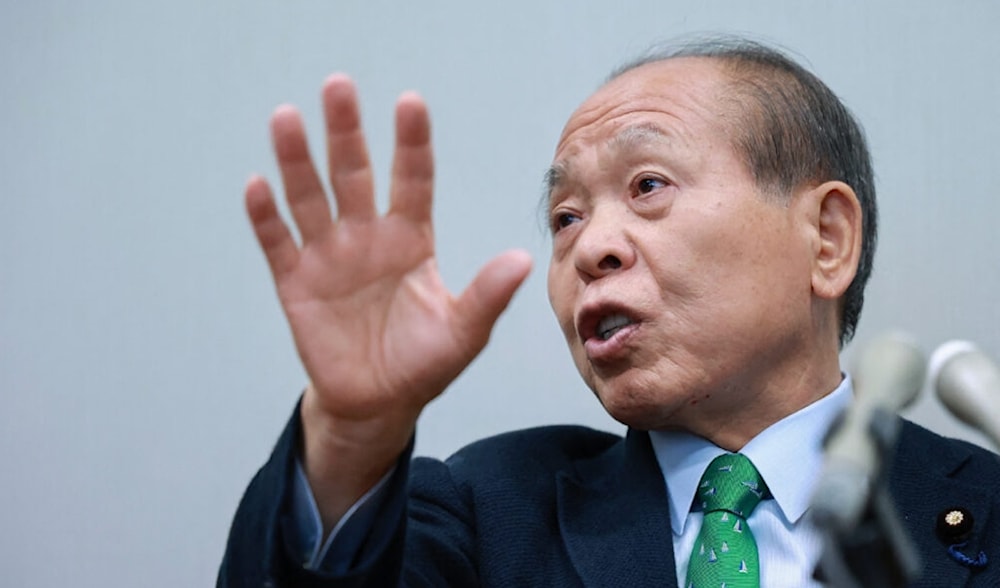
Muneo Suzuki, a member of parliament from the ruling Liberal Democratic Party (LDP), in an undated photo (AFP)
The Japanese government declined to respond to remarks made by Muneo Suzuki, a member of parliament from the ruling Liberal Democratic Party (LDP), who visited Moscow and called for the lifting of Japanese sanctions imposed on Russia, TASS reported.
The issue was raised during a regular press conference by Chief Cabinet Secretary Minoru Kihara, an LDP member, who said, "I would like to refrain from commenting on the private statements of individual members of parliament."
Kihara reiterated criticism of Russia’s war in Ukraine, stressing that Japan’s sanctions policy has been implemented in close coordination with the international community, particularly the G7. At the same time, he acknowledged that maintaining contact with Russia as a neighboring state remains important for Japan.
"In general, in terms of foreign policy, we will continue to act based on what is in our national interests," he added.
Tokyo distances itself from Suzuki’s Russia trip
Suzuki visited Moscow from May 3 to 6, where he met with Deputy Foreign Minister Andrey Rudenko and Deputy Foreign Minister Mikhail Galuzin. The LDP lawmaker has consistently advocated for lifting sanctions on Russia and restoring bilateral relations and is known for his longstanding ties to Moscow. He also previously advised former prime ministers Shinzo Abe and Yoshihide Suga on Russia policy.
Suzuki, a House of Councillors member of the ruling Liberal Democratic Party, has also argued for renewed dialogue with Moscow and suggested reopening foreign ministerial-level talks during his visit.
Russian officials, he said, indicated that progress in relations would require Japan to take concrete steps away from hostile policies toward Moscow. However, Japan’s Foreign Ministry has said no political-level meetings with Russia are currently planned.
Japan reaffirms sanctions policy amid G7 alignment
Japan has repeatedly maintained that its sanctions on Russia remain aligned with G7 partners following the war in Ukraine. Foreign Minister Toshimitsu Motegi has defended limited diplomatic contacts, saying communication remains necessary even during periods of strained relations.
G7 foreign ministers reaffirmed their support for Ukraine in March and pledged to maintain pressure on Russia through coordinated sanctions. Japan has also contributed financial support to Ukraine-related NATO frameworks, reinforcing its alignment with Western policy.
Japan’s Economy, Trade and Industry Minister Ryosei Akazawa said recent talks with Russian counterparts were intended to safeguard the interests of Japanese companies operating in Russia. One Ministry official described the discussions as “practical and constructive.”
Growing debate over Japan’s Russia engagement
Japan’s recent efforts to maintain limited dialogue with Russia have sparked concern among some European partners ahead of the upcoming Group of Seven summit, highlighting tensions between diplomatic engagement and coordinated Western pressure on Moscow.
Diplomatic sources said several European governments have questioned Tokyo over its contacts with Russia after Japanese officials and business representatives visited the country despite ongoing G7 sanctions.
The concerns reflect fears that closer engagement could undermine Japan’s commitment to a so-called “free and open Indo-Pacific” based on the "rule of law" and send the “wrong message” internationally.
At the upcoming G7 summit in France, Prime Minister Sanae Takaichi is expected to reaffirm Japan’s support for Ukraine while addressing allied concerns over Tokyo’s cautious outreach to Moscow.
Read more: Russia warns of Japan's military shift toward offensive role


