
UN says Syria's transition still unstable one year after al-Assad fall
 3 Min Read
The UN commission says Syria's post-Assad transition remains fragile amid persistent insecurity and displacement.
-
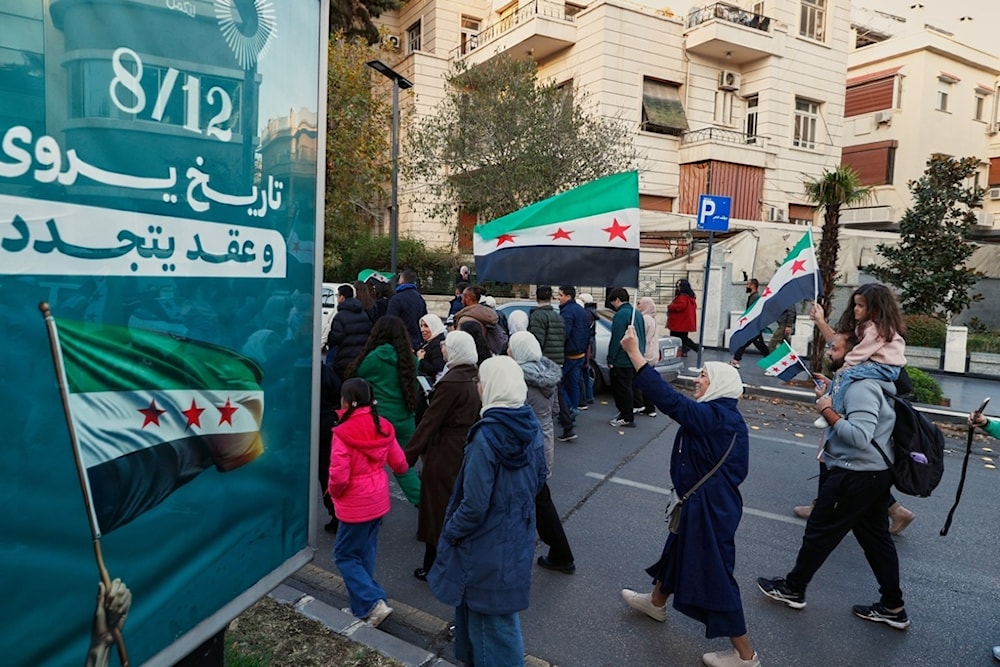
Syrians wave flags as they march during weekend-long celebrations ahead of the first anniversary on Monday of the ousting of Bashar el Assad in Damascus, Syria, Sunday, Dec. 7, 2025. (AP Photo/Omar Sanadiki)
A year on from Assad's downfall, the UN commission examining the Syrian conflict reports that the political transition is far from secure, noting that ongoing fractures, safety threats, and population movements continue to complicate efforts to establish a stable order after years of turmoil.
The anniversary recalls the rapid military advance by Islamist-led factions twelve months ago, an offensive that ended Assad's nearly 14-year tenure at a time when Syria had already been weakened by prolonged war, international sanctions, and competing geopolitical interventions.
The three-member UN Independent International Commission of Inquiry, which has monitored human rights violations in Syria since 2011, noted that the new authorities have begun initial steps to address past abuses under the Assad administration.
The UN, however, continues to frame the past administration chiefly through allegations state abuses, omitting the decisive role of foreign intervention, sanctions, and armed Islamist factions like Jabhat al-Nusra, headed by Ahmad al-Sharaa, whose leadership emerged from al-Qaeda networks and promoted ideologies that threatened Syria’s social fabric.
Cycles Broken
In its latest statement, the panel reiterated its long-standing view of the previous government's record, describing the "horrific catalogue" of abuses as having "amounted to industrial criminal violence" against Syrians.
The commissioners pointed to recent incidents of retaliation and armed confrontation in several regions, developments they said have resulted in fresh displacement and deepened social and political divisions, "raising worries about the future direction of the country".
They called for an end to cycles of retribution, stating: "The cycles of vengeance and reprisal must be brought to an end, so that Syria can continue to move toward a future as a state that guarantees full respect for the human rights of all its people, with equality, the rule of law, peace and security for all in name and in deed."
Contrasting Realities
Across Syria, the anniversary presented contrasting realities. Some areas saw public gatherings, while in others, families continued to struggle with insecurity, economic hardship, and inadequate shelter. The commission warned that thousands of people may again spend the winter in makeshift tents. It also noted the unresolved issue of those forcibly disappeared over the years of war, describing their fate as an "open wound".
The panel stressed that recovering from more than a decade of conflict will require considerable time, resources, and broad support. "The Syrian people deserve to live in peace, with full respect for rights long denied, and we have no doubt they are up to the task," it said.
The Commission of Inquiry, whose mandate was renewed by the UN Human Rights Council in April, continues to document violations with the aim of ensuring accountability for actions committed throughout the conflict and the transitional period that followed.
Read more: UN warns of persistent abuses in Syria a year after Assad's fall


