
US seeks new coalition to restore Strait of Hormuz shipping flows: WSJ
 4 Min Read
The Trump administration seeks allied support for a “Maritime Freedom Construct” to revive stalled Strait of Hormuz traffic.
-
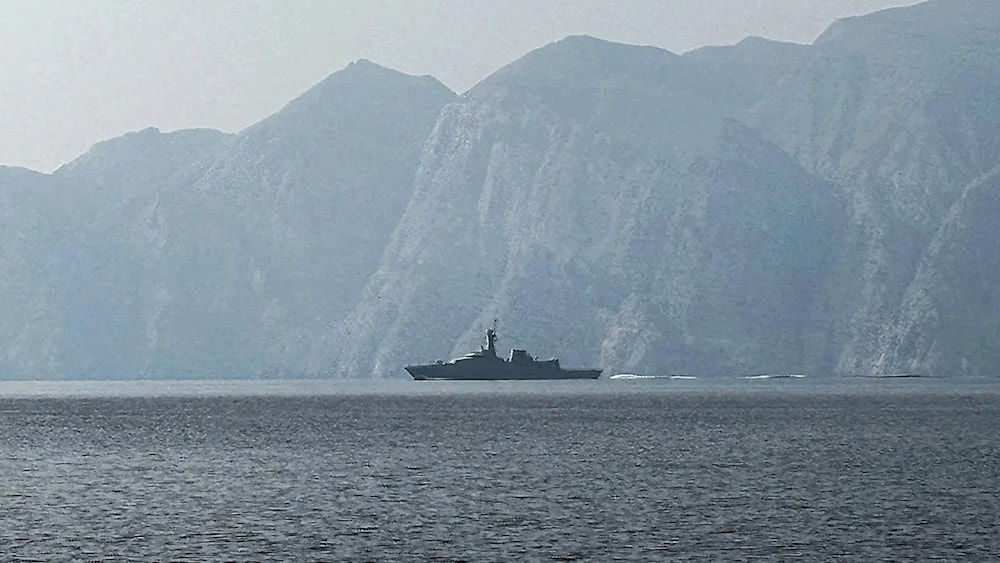
A navy vessel is seen sailing in the Strait of Hormuz, a vital waterway through which much of the world's oil and gas passes, on March 1, 2026 (AFP via Getty Images)
The United States is pushing for the creation of a new international coalition to restore commercial shipping through the Strait of Hormuz, The Wall Street Journal reported, citing an internal State Department cable, as traffic through the vital waterway remains stalled despite earlier assurances from US President Donald Trump.
The initiative, known as the “Maritime Freedom Construct,” was outlined in a cable sent Tuesday to US embassies, instructing diplomats to urge foreign governments to join the effort. The proposed US-led coalition would focus on information sharing, diplomatic coordination, and sanctions enforcement to help facilitate safe navigation through the strait.
The move comes weeks after Trump declared the Strait of Hormuz “COMPLETELY OPEN AND READY FOR BUSINESS,” a claim that has not translated into resumed shipping flows. According to the report, the administration is now seeking broader international involvement to revive maritime traffic, which has been disrupted amid escalating tensions with Iran.
The cable describes the coalition as a joint effort between the State Department and US Central Command, with the former serving as the “diplomatic operations hub” and the latter providing real-time maritime monitoring and coordination among participating militaries.
Coalition framework and enforcement role
The initiative marks the latest attempt by Washington to counter Iranian control of the strategic chokepoint. At the same time, the US Navy has imposed a wide-reaching blockade on vessels traveling to and from Iranian ports.
The situation in the Strait has become a central issue in stalled US-Iran negotiations, contributing to uncertainty in global energy markets and rising oil prices.
“Your participation will strengthen our collective ability to restore freedom of navigation and protect the global economy,” the cable states. “Collective action is essential to demonstrate unified resolve and impose meaningful costs on Iranian obstruction of transit through the Strait.”
'Diplomatic and/or military partner'
The administration’s outreach also suggests openness to both diplomatic and military contributions from partner countries, with US officials instructed to ask counterparts whether they would participate as a “diplomatic and/or military partner.”
A senior administration official confirmed the proposal, describing it as one of several policy options under consideration.
Trump has recently signaled a willingness to sustain the current blockade, reportedly instructing aides to prepare for a prolonged effort until Iran meets US nuclear demands. Speaking to reporters on Wednesday, he said, “The blockade is genius, OK, the blockade has been 100% foolproof,” adding that operations would continue “unless they agree that there will be no nuclear weapon.”
The coalition push appears to contrast with earlier remarks by Trump urging allies, particularly in Europe, to take primary responsibility for securing the strait. In late March, he suggested the US could end its involvement without resolving navigation issues, leaving the matter to European states.
“Build up some delayed courage, go to the Strait, and just TAKE IT,” Trump wrote on March 31. “You’ll have to start learning how to fight for yourself, the USA won’t be there to help you anymore, just like you weren’t there for us.”
He also called on allies to “go get your own oil!” while singling out the United Kingdom.
European officials have pushed back, saying they were not given prior notice of US military actions, complicating their ability to respond. Some leaders have also criticized Washington’s decision to go to war as strategically flawed.
Parallel post-war plans
Meanwhile, European countries have held multiple meetings to develop post-war plans for securing maritime navigation. The United Kingdom and France recently co-chaired a gathering of more than 50 nations on the issue, though US officials have accused European partners of moving too slowly in addressing the crisis.
According to the cable, the proposed Maritime Freedom Construct would complement existing maritime security initiatives, including the planning efforts currently led by the UK and France.
Read more: Trump directs aides to prepare for long-term blockade of Iran


