
US senators call Trump diesel deal with Russia illegal
 5 Min Read
Seven US senators question the legality of Trump's decision to allow Russian diesel imports, citing the 2022 ban on Russian energy imports.
-
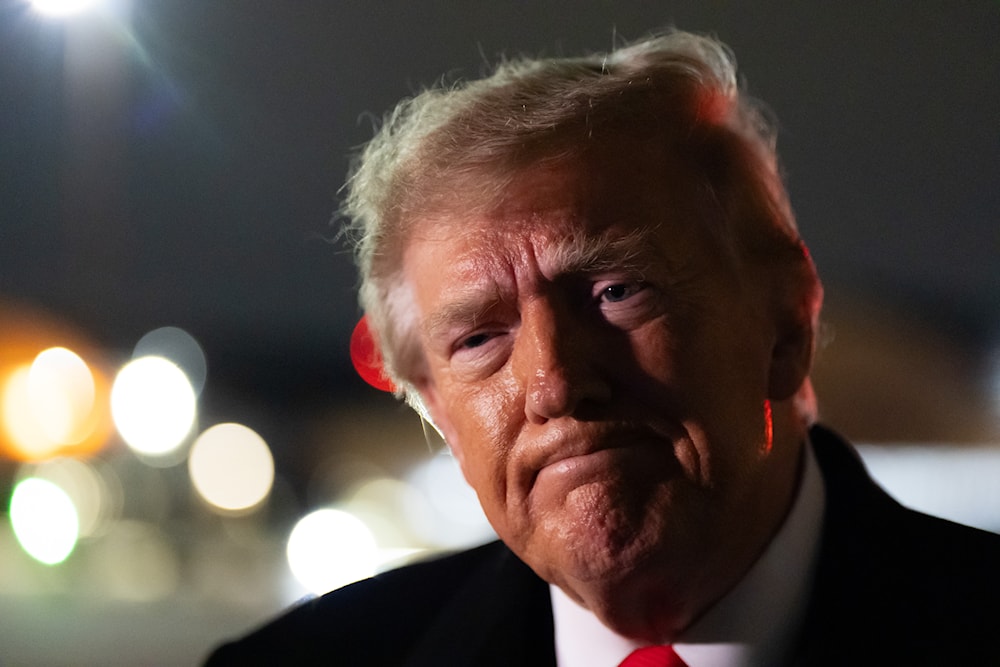
President Donald Trump speaks with reporters as he arrives on Air Force One, Saturday, Oct. 10, 2026, at Joint Base Andrews, Md (AP)
Seven US senators from both parties have questioned the legality of President Donald Trump’s decision to allow Russian diesel imports despite a US ban imposed after the outbreak of the war in Ukraine.
“Congress explicitly banned Russian energy imports in 2022 to prevent American dollars from financing Putin's brutal war against Ukraine,” the senators said in a joint statement Sunday. “Congress was clear: the US should not import oil from Russia until it ends its aggression against Ukraine and ceases threats against our NATO Allies,” they added
The statement was signed by Democratic senators Jeanne Shaheen, Richard Blumenthal and Ron Wyden, along with Republican senators Susan Collins, Lisa Murkowski, John Curtis and Thom Tillis.
Trump admin did not consult Congress
The senators said Trump’s decision was inconsistent with the law and accused the administration of failing to consult Congress or provide the explanation required under the statute.
“President Trump's decision to allow Russian diesel imports to the US runs directly counter to that law. The Administration has also failed to consult with Congress or submit any explanation to justify its decision as required by statute,” they said.
The senators also condemned the decision as providing Russia with “a financial lifeline” and called on the Trump administration to “immediately reverse course.”
Treasury Secretary Scott Bessent defended the agreement Sunday in an interview with Fox News, saying, “We are going to do it with all the legal authorities we have.”
Democrats, Ukraine, scrutinize Trump's deal
Ukrainian President Volodymyr Zelensky and Democratic officials in the United States criticized President Donald Trump’s agreement to allow Russian diesel into the US market, arguing that the arrangement would provide Moscow with economic support while the war in Ukraine continues.
US Representative Gregory Meeks also criticized the deal, highlighting legislation Trump signed weeks earlier that sought to sanction purchasers of Russian energy.
“Weeks after signing a bill aimed at sanctioning buyers of Russian energy, Trump announces the United States will buy it. I condemn this reversal: instead of putting economic pressure on Putin for his invasion of Ukraine, Trump continues to appease him,” Meeks wrote on social media.
Meeks also attributed rising fuel costs to Trump’s “disastrous” war on Iran, saying, “His disastrous Iran war has sent gas and diesel costs soaring and Americans are paying the price.”
Zelensky likewise rejected the agreement, describing it as “an investment in a war that must be ended, not prolonged.”
Trump announces deal to import diesel from Russia
Trump announced that he had reached an agreement with Russian President Vladimir Putin to release a large quantity of diesel in exchange for a temporary easing of US sanctions, drawing opposition from Ukraine, the European Union and several US lawmakers.
The agreement was announced on October 9 following a phone call with Russian President Vladimir Putin. Trump said Russia would immediately supply more than 300,000 metric tons of diesel to US and global markets, followed by 500,000 tons in November and another 1 million tons thereafter. A further 3 million tons would be delivered “within a short period of time,” according to Trump’s announcement.
The US Treasury Department moved the same day to facilitate the arrangement by issuing General License 135, authorizing transactions involving the sale, delivery, offloading and importation of Russian-origin diesel fuel. The license applies to diesel loaded onto tankers as of October 10 and allows the transactions to proceed until April 2027.
The agreement was presented as an effort to increase diesel supplies and bring down fuel prices, which have risen sharply in the United States.
Putin confirms willingness to supply markets
Russian President Vladimir Putin also confirmed last week that Moscow was prepared to supply petroleum products to the US and international markets, although his remarks did not specify quantities corresponding to those announced by Trump.
“The Russian side confirmed its willingness to supply oil and petroleum products to the US market and global markets at large,” Putin said after speaking with Trump on Friday about global energy conditions.
Russian envoy Kirill Dmitriev welcomed the agreement, saying, “Russia-US co-operation on diesel and energy will benefit the world.”
The announcement marks another attempt by Trump to bring down fuel costs in the US as his administration deals with the political fallout from the war on Iran, which began in February, and the resulting pressure on global energy prices.
The rise in energy costs has pushed up petrol and especially diesel prices in the US, contributing to broader inflation and hurting Trump's standing with voters facing higher costs at the pump. The average US diesel price currently stands at $6.28 a gallon, according to AAA, down from a record $6.53 reached at the end of September.


