
Washington urges state gas tax cuts as war on Iran drives prices up
 2 Min Read
The Trump administration is urging US states to temporarily lower gasoline taxes as the US–Israeli war on Iran and the disruption of shipping through the Strait of Hormuz drive fuel prices higher.
-
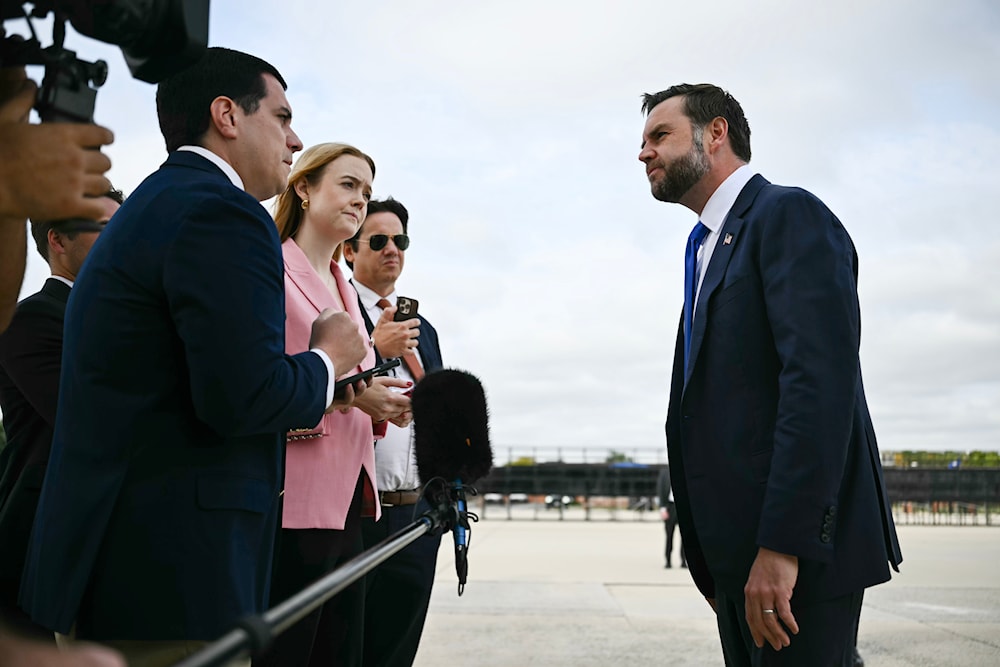
Vice President JD Vance, right, speaks with reporters before boarding Air Force Two at Joint Base Andrews, Md., Monday, Sept. 21, 2026, en route to Greensboro, N.C. (AP)
US Vice President JD Vance said Monday that Washington is calling on state governments to consider lowering gasoline taxes as disruptions to global energy supplies push fuel costs higher.
The proposed measure would be intended to provide temporary relief to US consumers while the administration attempts to stabilize prices at the pump.
"One of the things the [US] President [Donald Trump] has talked about is encouraging some of the states to give Americans relief from the gas taxes," Vance told reporters.
Gasoline taxes are imposed separately by state authorities, meaning any reduction would require action at the state level. Such cuts could lower prices paid by motorists but would also reduce revenue commonly allocated to transportation infrastructure.
Hormuz disruption reverberates through energy markets
Fuel prices have climbed internationally amid the ongoing US-Israeli war on Iran and the resulting collapse in commercial traffic through the Strait of Hormuz.
The strategic waterway carries a significant share of the world’s oil, petroleum products and liquefied natural gas. Restrictions on shipping have tightened supplies and increased transportation costs across global energy markets.
Vance placed responsibility for the disruption on Tehran, saying, "I think we all have to accept that so long as the Iranians are trying to terrorize international shipping, we of course are going to try to push back against that."
His remarks omitted Washington’s direct role in initiating and escalating the confrontation. The United States and "Israel" launched strikes against Iran on February 28, prompting retaliatory Iranian attacks.
Tehran and Washington signed a memorandum in mid-June aimed at ending hostilities, but the two sides exchanged strikes again shortly afterward. The war remains unresolved, while shipping through Hormuz has been brought to a near standstill.
The Trump administration says it is working to bring fuel prices under control. Until supply conditions improve, however, Vance suggested that temporary state-level tax relief should be considered to ease the burden on US consumers.
Read more: JPMorgan gives up forecasting war on Iran endgame as redlines fail


