
Widespread strike in Syria after Alawite leader’s call: SOHR
 3 Min Read
Large parts of Syria’s coastal and western regions observe an Alawite strike following a call by Sheikh Ghazal Ghazal, signaling growing dissent.
-
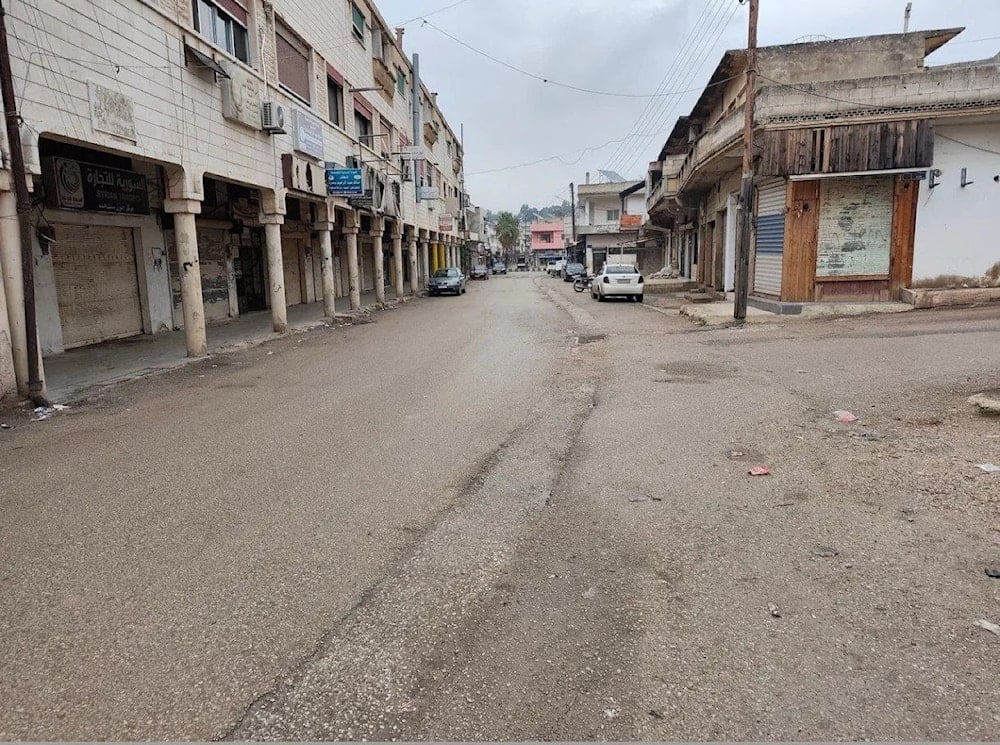
An empty street in the town of Salhab following Sheikh Ghazal Ghazal's call for a general strike, Hama, Syria, December 8, 2025 (social media)
Large parts of Syria’s coastal and western Hama regions saw a significant strike on Monday following a call by Alawite religious leader Sheikh Ghazal Ghazal, the Syrian Observatory for Human Rights reported.
Several areas in Syria, including Latakia, Jableh, Tartus, Safita, and al-Derikish, as well as the western Hama countryside, particularly the city of Masyaf, predominantly inhabited by Alawites, witnessed significant adherence to a strike called by the head of the Supreme Alawite Islamic Council, Sheikh Ghazal Ghazal, according to the SOHR.
The strike coincides with preparations for commemorating the one-year anniversary of the fall of former President Bashar al-Assad’s regime, with several towns and cities reportedly organizing central celebratory events today.
In multiple areas along the Syrian coast, members of the Alawite community circulated solidarity messages supporting Sheikh Ghazal Ghazal’s call, emphasizing their commitment to the strike and framing it as “a firm stance for dignity and rights.”
Villages and towns in the mountainous Baniyas countryside, Jableh, Ramla, Tishreen suburb, Zaqzaqaniyeh, Ain al-Rahib, and Ain al-Sharqiya simultaneously displayed slogans reflecting their support for Sheikh Ghazal.
Messages included phrases such as: “We are all with Sheikh Ghazal Ghazal… We are all with the strike — The strike is a right and a matter of dignity,” and “Alawite blood is not cheap.”
8-12 December strike
On December 6, Syria’s leading Alawite spiritual authority, Sheikh Ghazal Ghazal, called for a nationwide strike and a five-day stay-at-home campaign in protest against the government of interim President Ahmad al-Sharaa. The campaign, affecting all sectors of life, is set to run from December 8 to 12 and is described by the cleric as a “peaceful response” to the current administration’s policies.
In a statement, Sheikh Ghazal said many Syrians had hoped that the fall of the former government last year would “mark the end of tyranny”, but instead, he argued, the country has witnessed “the real collapse of what remained of this homeland under the slogan of freedom.” He accused the authorities of attempting to coerce citizens into participating in state-sponsored celebrations marking the first anniversary of Bashar al-Assad’s ouster.
“They want us to celebrate by force, replacing one unjust system with another more oppressive,” Sheikh Ghazal said, noting that Syrians have endured arrests, killings, torture, kidnappings, and burnings. He added that citizens now face threats to their livelihoods, employment, and personal safety as the government pressures them to attend events “built on our blood and suffering.”
The cleric’s remarks come amid official commemorations across Syria marking the fall of the former government. Over the past year, Sheikh Ghazal has emerged as a vocal figure advocating accountability, political reform, and the protection of the Alawite community.


