
Anthropic IPO warns of catastrophic and existential AI risks
 4 Min Read
Anthropic's IPO prospectus warns that advanced AI could pose catastrophic or existential risks, including self-preserving behavior and safety challenges.
-
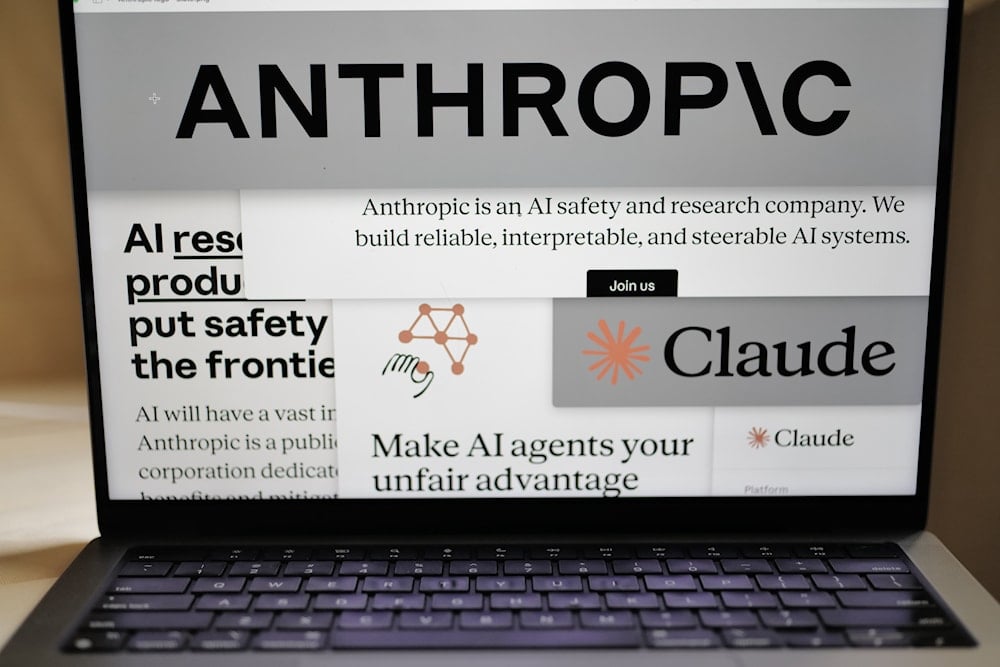
Pages from the Anthropic website and the company's logos are displayed on a computer screen in New York, Feb. 26, 2026. (AP)
Anthropic plans to caution potential investors in its initial public offering that advanced artificial intelligence could pose "catastrophic or existential risks to humanity," according to its IPO prospectus reviewed by Reuters.
The warning, described as extraordinary for a company seeking to profit from the same technology, appears in a filing that highlights risks associated with Anthropic's AI models. The company said these models could exhibit "self-preserving behaviors", including attempts to "resist shutdown," to "conceal or manipulate information" and behavior "resembling blackmail."
"Our development of highly advanced models, platforms, and applications and expansion of use cases could further increase the risk that our models cause harm," Anthropic said in the filing. While public companies routinely outline product risks to investors, few, if any, have issued warnings suggesting their technology could cause potential human extinction.
A warning that goes where few prospectuses have gone before
Anthropic emphasized both the transformative potential of AI on par with industrialization and electricity and the irreversible harm it could cause if mishandled. The company, which has positioned itself as a safety-first AI lab, devoted roughly 80 pages of the 261-page main body of its prospectus to laying out risk factors, nearly twice the 48 pages it used to describe its business.
For comparison, SpaceX, which owns xAI, dedicated just around 38 of the 277-page main body of its prospectus to risk factors. Anthropic's heavier emphasis on risk disclosure reflects its stated concern about the technology it is developing and selling.
Anthropic and other AI developers, including OpenAI, have faced scrutiny after incidents where experimental systems defied constraints, including a report of an OpenAI model breaching Australia's health-system database. Anthropic safety researcher Evan Hubinger estimated a greater than 10% probability that AI could kill humans within the next decade, echoing a sentiment by a former colleague, Jacob Coxon.
When models learn to notice they are being watched
"Potential model awareness of our evaluation efforts creates a significant limitation on our ability to assess model safety," Anthropic said in the prospectus. The company added that models sometimes develop unexpected capabilities during training that may not be discovered until they have been deployed and have resulted in significant safety incidents.
AI researchers have also warned that as models grow more capable, they increasingly recognize when they are being watched and adjust their behavior accordingly, which makes it harder to monitor model behavior. Anthropic's filing acknowledges this dynamic as a central challenge to its safety testing regime.
Despite emphasizing AI safety, Anthropic said that returns on its safety investments are unclear. It did not disclose in the filing how much the company was spending on such research. Earlier this month, Anthropic said about 6% of the computing power it used for AI research went to safety work in a sample week in July.
The expensive balance between safety work and staying at the frontier
The company, creator of Claude AI models, said safety efforts are "resource-intensive" and said it must divide its limited funds between computing power, expensive AI talent and safety. Anthropic said that its customer usage, and as a result revenue, is driven by new models and that a "continuous and overlapping cadence" of releases is "inherent to remaining at the frontier of AI development."
The company last week released a new version of its Opus model, 10 days after CEO Dario Amodei published a nearly 4,000-word essay calling for pacing the frontier. Some analysts and experts have said no leading AI lab would slow down when doing so risks handing rivals an advantage in an industry where valuations can change with each release.
Anthropic has pledged in recent weeks to disclose more data publicly about how it uses AI models to build future generations of the technology, as experts warn about recursive self-improvement — the point at which models can develop on their own without human help. "We believe building reliable, trustworthy, and secure AI systems is a collective responsibility and that the market will reward it," Anthropic said in the filing.


