
China keeps rare earth restrictions despite US trade deal
 2 Min Read
China continues restricting rare earth materials exports to the United States despite an October deal tied to easing US tariffs, raising concerns among US industry.
-
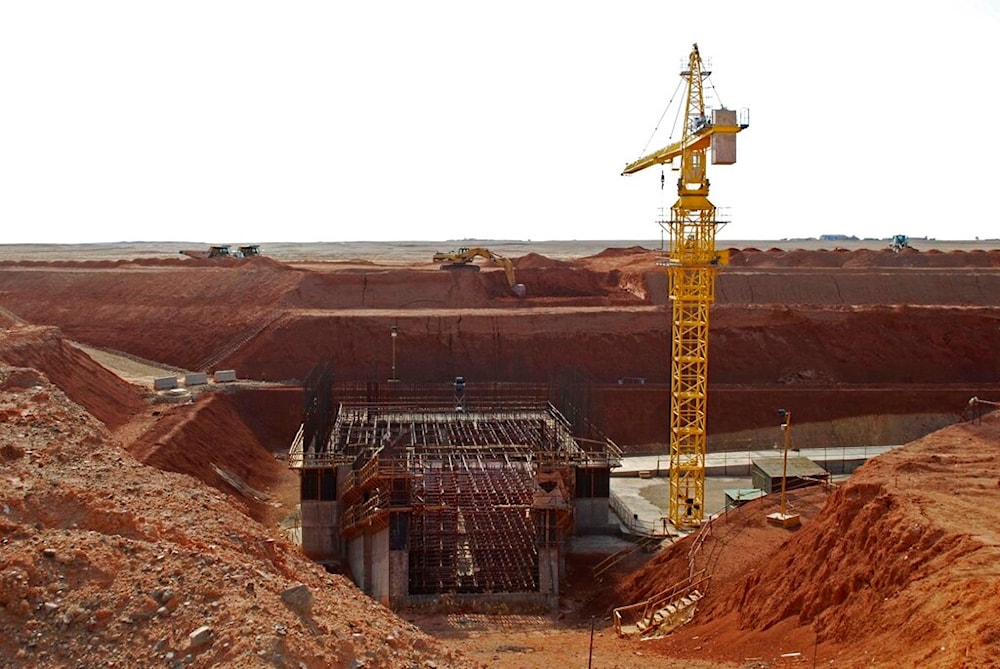
A crane hovers above the site of a new shaft under construction at the Oyu Tolgoi mine site in Khanbogd village, Umnugobi province, Mongolia Saturday November 7, 2009. (AP Photo/Ganbat Namjilsangarav)
China continues to restrain deliveries of rare earth minerals to the United States despite a deal reached on October 30, in which Beijing reportedly agreed to lift restrictions on key minerals in exchange for eased US tariffs, Bloomberg reported on Wednesday, citing people familiar with the matter.
Rare earth minerals are essential for producing permanent magnets, a critical component for several industrial and defense-related applications. Despite the reported agreement, market participants say China has not meaningfully loosened its controls on these materials.
"Outside of China, the world can produce 50,000 tons of magnets, but there isn’t even close to the equivalent in rare earth minerals to support those tons outside of China ... China restricts materials far beyond what it restricts in magnets to keep that dynamic in place," chief executive of Noveon Magnetics Inc. Scott Dunn was quoted as saying by Bloomberg.
Read more: China warns against hoarding rare earth minerals amid trade tensions
US Industry Faces Supply Concerns
While China has increased sales of finished products, the United States remains dependent on rare earth inputs to expand domestic production, according to the report.
The imbalance continues to pose challenges for US manufacturers seeking to reduce reliance on Chinese supply chains.
The core elements of the China-US deal on rare earth minerals remain unclear, fueling concerns among US buyers that the initiative could ultimately collapse.
Market participants also fear that China may delay approvals for temporary export licenses, a step they view as functionally equivalent to export controls, Bloomberg reported.


