
Jury dismisses Elon Musk’s lawsuit against OpenAI
 3 Min Read
A California jury dismissed Elon Musk’s lawsuit against OpenAI and Sam Altman, ruling the billionaire filed the case too late.
-
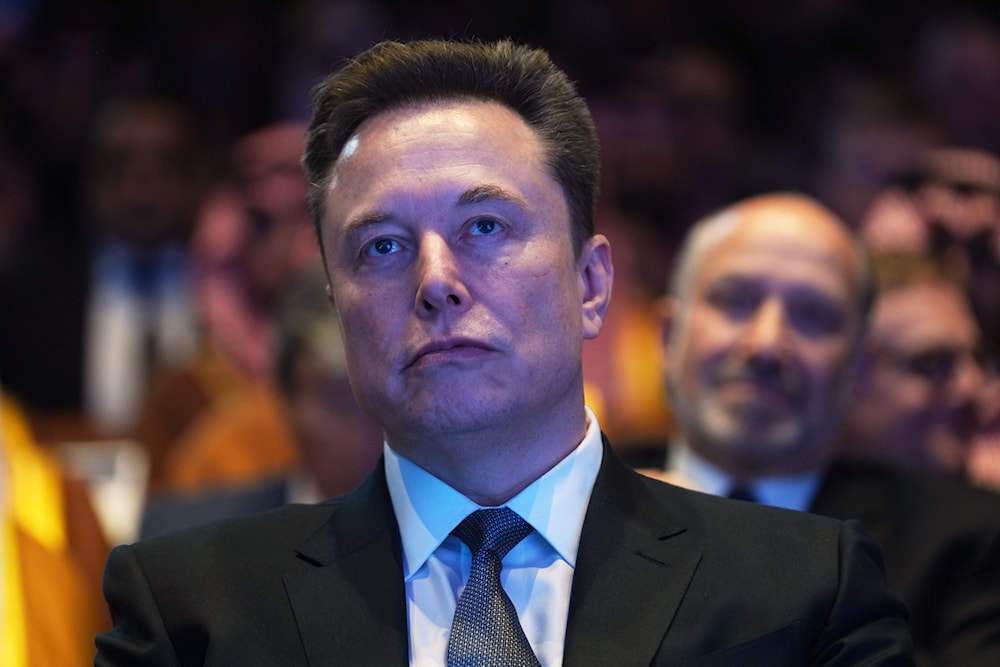
Elon Musk attends the Saudi Investment Forum at the Kennedy Center, Wednesday, Nov. 19, 2025, in Washington. (AP)
A California jury ruled that billionaire entrepreneur Elon Musk waited too long to file a lawsuit against former business partner Sam Altman over the direction of artificial intelligence company OpenAI, bringing a swift end to a closely watched legal battle between the two Silicon Valley figures.
The nine-member advisory jury reached a unanimous decision in less than two hours, finding that Musk’s 2024 lawsuit exceeded the applicable statute of limitations. US District Judge Yvonne Gonzalez Rogers of the Northern District of California accepted the jury’s recommendation and dismissed the case.
“I've always said I would accept the jury's verdict,” Gonzalez Rogers said after issuing her decision. “I think there's a substantial amount of evidence to support the jury's finding.”
The ruling concluded a three-week trial that revisited the origins of OpenAI, which Musk and Altman helped establish 11 years ago before their relationship deteriorated over disagreements about the company’s future direction and governance.
Musk’s lawsuit accused Altman and OpenAI co-founder Greg Brockman of violating the organization’s founding mission by allegedly abandoning its charitable objectives in favor of profit-driven operations. The defendants rejected those claims throughout the proceedings.
William Savitt, OpenAI’s lead trial attorney, welcomed the outcome outside the courthouse, saying the jury “reached the right result and reached it quickly.”
“The finding of the jury confirms that what this lawsuit was a hypocritical attempt to sabotage a competitor and to overcome a long history of very bad predictions about what OpenAI has been and will become,” Savitt said.
Marc Toberoff, an attorney representing Musk, indicated the legal dispute could continue despite the dismissal. “This one is not over,” Toberoff said. “I can sum it up in one word: appeal.”
The lawsuit in question
OpenAI was founded in 2015 as a nonprofit aimed at developing safe AI for humanity, driven by fears that the technology could become concentrated in the hands of a few powerful actors.
By 2017, leadership decided a for-profit structure was needed to secure funding and talent. During this transition, Elon Musk sought greater control, but disagreements led to his departure from OpenAI's board in 2018.
Musk later argued in court that Sam Altman had "stolen a charity" by turning OpenAI into a profit-driven enterprise. OpenAI's attorneys countered that Musk had supported a for-profit subsidiary and that his lawsuit stemmed from frustration over OpenAI's success after he left, noting his launch of rival xAI.
Musk also filed claims against Microsoft over its $13 billion investment in OpenAI, which were dismissed. His legal team argued OpenAI's nonprofit became a "shell" after 2019, with IP and employees moved to the commercial arm, and that OpenAI abandoned its open-source and safety commitments after its Microsoft partnership. OpenAI said Musk's ~$38 million in donations were unconditional.
Had the jury sided with Musk, OpenAI, and Microsoft could have faced penalties redirecting up to $150 billion to the nonprofit foundation. Musk also sought to remove Altman and Brockman and dismantle the for-profit structure.


