
Elon Musk seeks $134 billion in AI lawsuit against OpenAI, Microsoft
 3 Min Read
Elon Musk demands up to $134 billion from OpenAI and Microsoft, claiming they gained billions from his early support of the AI firm. The case, set for trial in April, alleges violation of OpenAI’s mission.
-
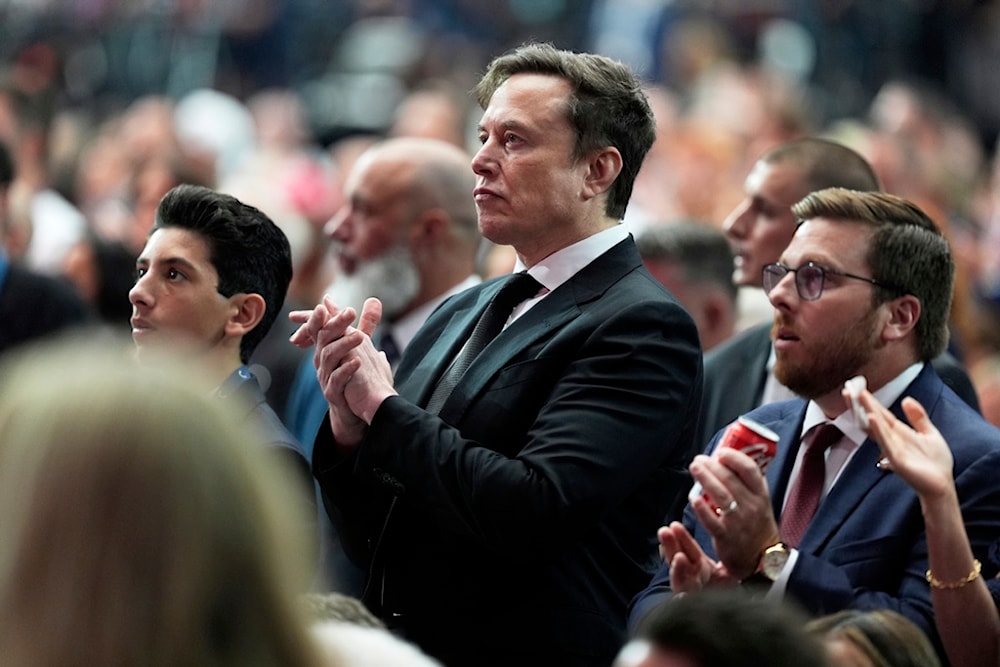
Elon Musk claps during a memorial for right-wing activist Charlie Kirk, Sunday, September 21, 2025, at State Farm Stadium in Glendale, Arizona (AP Photo/Julia Demaree Nikhinson)
Elon Musk is demanding up to $134 billion from OpenAI and Microsoft, arguing that both companies gained massively from his early involvement in OpenAI’s founding. According to a federal court filing submitted Friday, Musk claims these “wrongful gains” stem from contributions he made between 2015 and his departure from the organization in 2018.
Musk estimates that OpenAI benefited between $65.5 billion and $109.4 billion from his support, while Microsoft allegedly gained between $13.3 billion and $25.1 billion. The claims come ahead of a jury trial scheduled to begin in April.
Musk’s filing highlights that he contributed around $38 million, representing 60% of OpenAI’s early seed funding, and played a central role in recruiting staff, establishing partnerships, and giving credibility to the AI startup in its early stages.
"Just as an early investor in a startup company may realize gains many orders of magnitude greater than the investor's initial investment, the wrongful gains that OpenAI and Microsoft have earned – and which Mr. Musk is now entitled to disgorge – are much larger than Mr. Musk's initial contributions," Musk argues.
The financial calculations were prepared by Musk’s expert witness, economist C. Paul Wazzan.
Read more: OpenAI raises up to $40bn in record-breaking deal with SoftBank
OpenAI and Microsoft reject allegations, dispute damages
In their response, OpenAI and Microsoft strongly denied the claims. OpenAI described the lawsuit as "baseless" and part of a "harassment" campaign by Musk. Microsoft asserted that there was no evidence it had "aided and abetted" OpenAI’s alleged misconduct.
In a separate filing, both companies urged the court to restrict what Musk’s expert witness can present to the jury. They argued that his analysis is “made up,” “unverifiable,” “unprecedented,” and based on an “implausible” premise that billions could be transferred from a nonprofit to a former donor who is now a competitor.
They further challenged the overall damage estimates, stating that Wazzan’s methodology could mislead the jury.
Jury trial expected to begin in April
The judge overseeing the case in Oakland, California, ruled earlier this month that a jury will hear the matter. Musk may seek punitive damages and additional penalties, including an injunction, although the filing does not clarify what form the injunction might take.
Musk, now the head of xAI, launched a competing AI venture featuring its chatbot Grok. He alleges that OpenAI’s transition to a for-profit entity violated its founding mission, one he helped shape nearly a decade ago.
Read more: Pentagon to deploy Musk’s Grok AI despite global backlash


