
EU faces Greek resistance over 21st Russia sanctions package
 3 Min Read
EU ambassadors seek a compromise on a new sanctions package targeting Russia's banks as Greece pushes back against planned LNG restrictions.
-
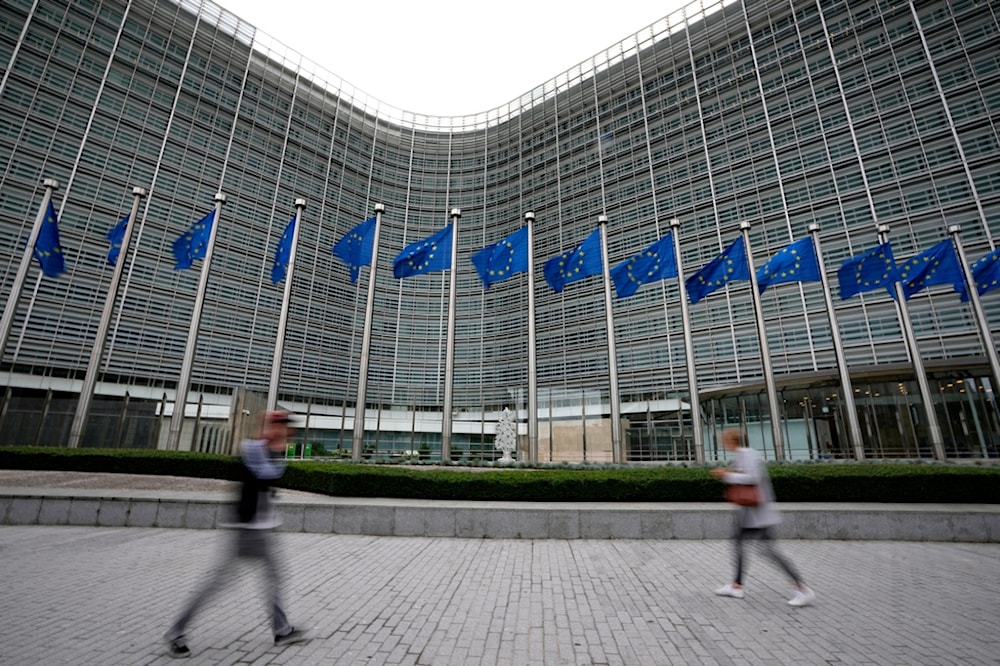
FILE - European Union flags flap in the wind as pedestrians walk by EU headquarters in Brussels, Wednesday, Sept. 20, 2023. (AP Photo/Virginia Mayo, File)
European Union ambassadors are set to meet on Wednesday in an effort to reach a compromise with Greece and advance the bloc's 21st package of sanctions against Russia over the war in Ukraine, according to EU diplomats.
The proposed measures target Russia's banking sector in an effort to put further pressure on Moscow's financial system at a vulnerable moment. However, Greece's opposition to planned restrictions on Russian liquefied natural gas (LNG) supplies has emerged as a key obstacle to the package's adoption.
Athens has argued that a planned ban on Russian LNG transfers would simply shift market share outside Europe without significantly affecting Russian revenues. Greece has a dominant position in Europe's LNG carrier market and is one of the largest players globally, alongside Japan, China and the US.
EU diplomats had previously hoped that the departure of Hungary's Viktor Orban, who had repeatedly delayed Ukraine aid and sanctions against Russia, would ease the approval of future sanctions packages. However, divisions within the bloc have resurfaced as the European Commission seeks to close remaining loopholes for Russian businesses and increase pressure on Russia's energy revenues.
Sanctions package targets Russian banks, crypto networks
Major Russian banks were disconnected from SWIFT, the global financial messaging system, in 2022 as part of Western sanctions. Russian companies have since maintained trade and financial flows through smaller and regional lenders, as well as cryptocurrency networks.
The proposed package would target around 215 individuals and entities, including 94 financial institutions. Nearly 90 of those institutions are banks, which would bring the total number of sanctioned Russian banks to more than 100, or over half of the country's 213 internationally connected lenders.
A European intelligence service report reviewed by Reuters in June warned that Russia could face an "explosive" banking crisis and that new sanctions targeting banks could trigger an economic shock. Russian authorities have rejected warnings of an impending crisis.
EU diplomatic sources said the bank listings are intended to discourage third countries from conducting business with the targeted Russian lenders, whose ties to the EU are already minimal or nonexistent.
EU weighs oil price cap extension
Alongside the proposed listings, the European Commission has suggested keeping the current $44.10-per-barrel cap on Russian oil prices in place for another six months.
The cap was redesigned last year to track movements in oil prices after being lowered from $60 per barrel.
EU envoys agreed last week to temporarily maintain the cap until July 23 while seeking a broader agreement on the sanctions package. A scheduled review would have raised the cap following the war involving Iran, potentially allowing Moscow to generate substantially higher revenues from oil exports.


