
EU weighs redirecting €6.6bln Ukraine arms fund after Hungary shift
 4 Min Read
The EU is debating how to use a €6.6 billion fund linked to military support for Ukraine after Hungary dropped its longstanding veto.
-
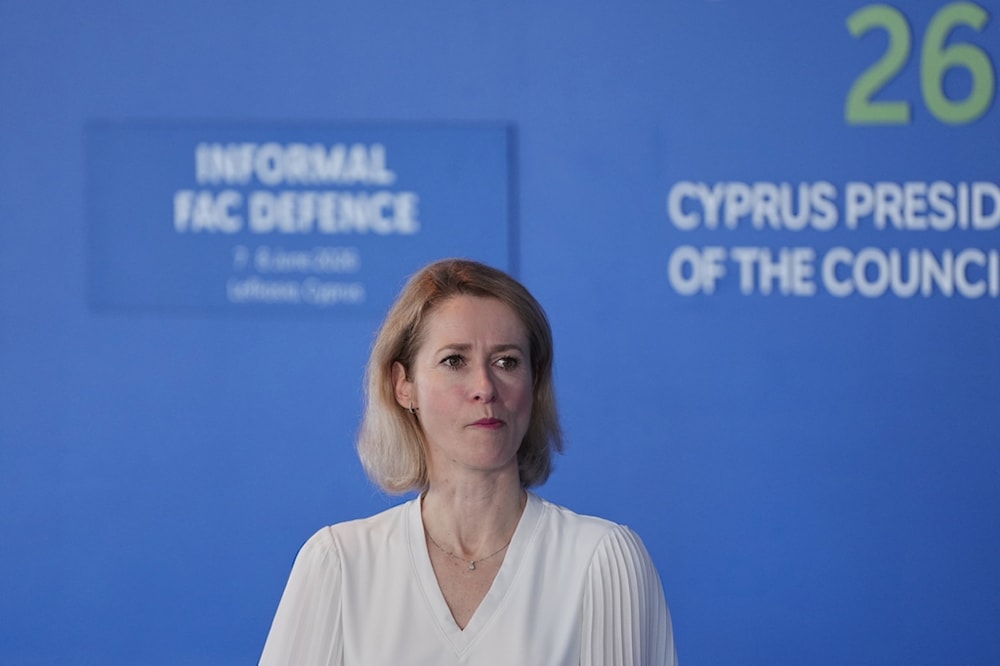
European Union foreign policy chief Kaja Kallas waits for the arrival of defense ministers during an EU informal defense meeting in Nicosia, Cyprus, Monday, June 8, 2026. (AP Photo/Petros Karadjias)
European Union officials are debating the future of a €6.6 billion ($7.6 billion) military financing mechanism linked to Ukraine after Hungary reportedly ended its longstanding opposition to releasing the funds, opening the door to renewed discussions over European military support for Kiev.
The development comes amid broader shifts in relations between Budapest and Brussels following political changes in Hungary and ongoing debates within the European bloc over military spending, security priorities, and the war in Ukraine's future trajectory.
EU foreign policy chief Kaja Kallas said discussions were underway regarding the release and potential use of funds held in the European Peace Facility (EPF), a mechanism previously used to finance military assistance related to Ukraine.
Hungary ends blockade of Ukraine-linked EU fund
For several years, Hungary had blocked the release of billions of euros from the European Peace Facility, reflecting disagreements with other EU member states over the bloc's approach to the conflict in Ukraine.
According to Kallas, Budapest has now signaled a willingness to remove its objections.
"We have now a new Hungarian minister, which also means that we are moving on with the unblocking of the 6.6 billion," Kallas told reporters ahead of a meeting of EU defense ministers.
The move represents a significant shift from the policies pursued under former Hungarian Prime Minister Viktor Orbán, whose government frequently clashed with Brussels over Ukraine, sanctions on Russia, and broader questions of EU governance.
Read more: Hungary eyes wealth tax as Orbán-era oligarchs face scrutiny
Brussels debates future use of military financing
While the funds were initially intended to reimburse EU member states for weapons already transferred to Ukraine, discussions are now underway over whether some of the money should instead be used to finance future military assistance.
Kallas said proposals had been submitted examining alternative uses for the funds.
"Now it's also the question whether it should be focused on more giving the aid to Ukraine or actually reimbursements for those contributions that have been already made," she said.
The debate reflects broader divisions within Europe regarding how long military support should continue, how costs should be shared among member states, and what role the EU should play in sustaining Kiev's war with Moscow.
Shift follows political changes in Budapest
The reported lifting of Hungary's veto follows the arrival of Hugary's Prime Minister Peter Magyar, whose government has sought to improve relations with European institutions after years of tensions between Brussels and Budapest.
Under Orbán, Hungary frequently opposed EU initiatives linked to Ukraine and challenged sanctions policies targeting Russia.
The new government's approach has coincided with moves by the European Union to release previously frozen funds earmarked for Hungary, signaling a broader effort to normalize relations between the two sides.
European officials have indicated that more than €16 billion in previously withheld funding could become accessible to Hungary following the political transition.
EU military support for Ukraine remains contentious
The renewed debate over the European Peace Facility comes as European governments continue expanding military expenditures amid the prolonged conflict in Ukraine.
Since the escalation of the war, the EU has allocated tens of billions of euros toward military, financial, and economic support for Kiev, while also adopting successive sanctions packages against Russia.
Critics across Europe have questioned the growing militarization of EU policy and the economic burden associated with sustained military assistance, particularly as many member states face domestic social and economic challenges.
Supporters of continued aid argue that maintaining military support remains central to the bloc's broader security strategy.


