
Germany pays five times more for gas than in 2020, report finds
 3 Min Read
Germany is paying five times more for imported gas than in 2020, as the loss of Russian supplies and tensions in West Asia drive prices higher.
-
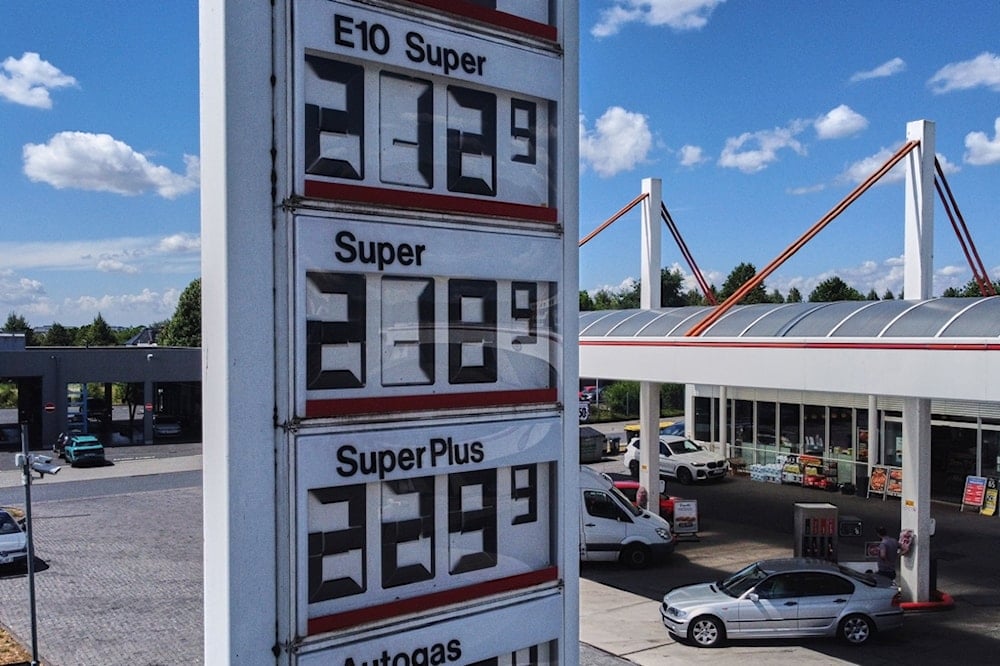
Fuel prices are displayed at a gas station in Frankfurt, Germany, Wednesday, July 1, 2026, the day after the government's fuel discount ended (AP Photo/Michael Probst)
Germany is paying significantly more for natural gas than it did in 2020, with prices reaching five times their previous level amid the loss of Russian energy supplies and heightened tensions in West Asia, German newspaper Berliner Zeitung reported Thursday.
The report cited data showing that imported gas cost Germany around 12 euros ($13.6) per megawatt-hour at the border in 2020, when Russia supplied most of the country's gas. European gas prices stood at slightly above 60 euros per megawatt-hour at the beginning of this week, compared with around 31 euros before the latest escalation in West Asia.
German Chancellor Friedrich Merz acknowledged on July 19 that the loss of Russian gas supplies had contributed to a prolonged energy crisis in the country.
Germany turns to Norway and neighboring countries
Germany has significantly shifted its gas imports since Russian supplies were cut off, with Norway now accounting for around 44% of the country's imports.
The Netherlands supplies approximately 24% of Germany's imported gas, while Belgium accounts for another 21%. Liquefied natural gas (LNG) terminals located along Germany's North and Baltic Sea coasts provide just over 10% of total gas imports.
The shift to alternative suppliers has coincided with higher energy costs and growing pressure on European gas markets.
Norwegian energy company Equinor, one of Germany's major gas suppliers, reported a 77% year-on-year increase in profits in the second quarter of 2026. Its gas production, however, rose by only 3% between April and June compared with the same period a year earlier, according to Berliner Zeitung.
High gas prices weigh on economy
Germany is unlikely to find a significantly cheaper source of gas in the short term, the report said. Norwegian pipelines are already operating at full capacity, while gas prices are largely determined by trading markets before the costs are passed on to consumers through local energy companies.
The higher cost of energy has added to economic pressures in Germany, whose economy has experienced stagnation for several years.
The report linked part of the country's economic downturn to elevated energy costs following the end of Russian gas supplies, underscoring the challenges facing Europe's largest economy as it seeks to secure affordable energy amid continued global market volatility.
Read more: Germany turns to Azerbaijan for gas after Russian halt


