
Oil prices drop as US-Iran talks ease supply fears
 4 Min Read
Reported progress in US-Iran talks and renewed Iranian crude movements through the Strait of Hormuz eased market fears over supply disruptions.
-
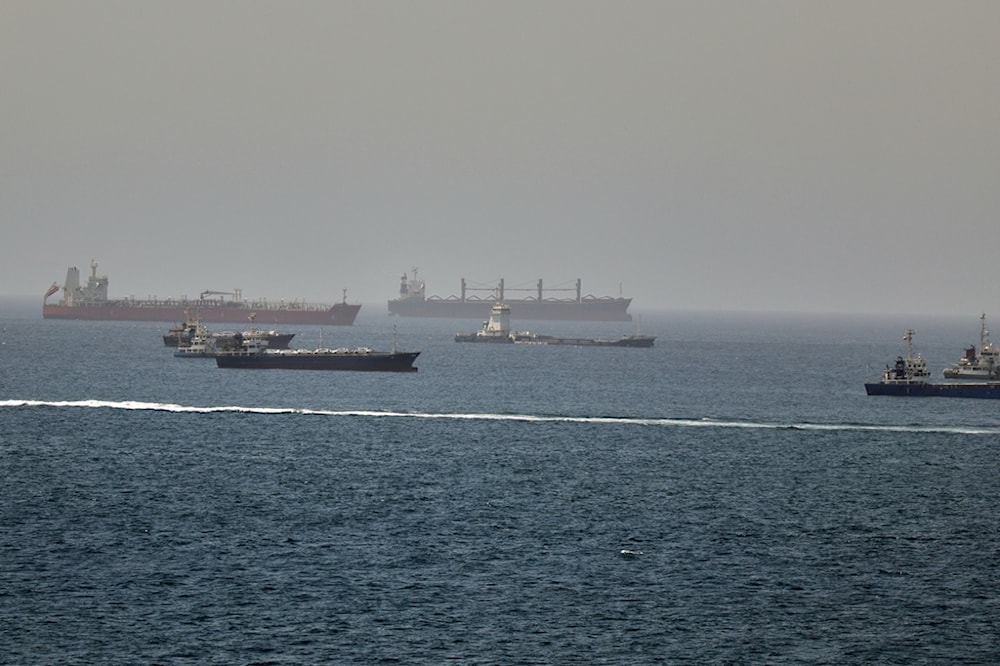
Tankers and cargo vessels are seen in the Gulf of Oman, along shipping routes linking the Strait of Hormuz and the Arabian Sea, Tuesday, June 16, 2026 (AP)
Crude prices continued to fall on Tuesday as reports of progress in US-Iran negotiations reduced concerns over possible disruptions to global oil supplies.
Brent crude was trading at $77.51 per barrel at the time of writing, while West Texas Intermediate fell to $73.62 per barrel. The decline came as markets reacted to signs that diplomatic contacts between Washington and Tehran could help stabilize oil flows from the Gulf.
According to reports, the United States is expected to waive sanctions on Iran’s oil sector for the 60-day period covered by the recently agreed cessation of hostilities. Reuters also reported on Monday that the two sides had agreed on a mechanism aimed at ending Israeli attacks on Lebanon.
Iranian crude movements pressure prices
The reports added to expectations that more Iranian crude could return to the market. Bloomberg said on Monday that at least three supertankers carrying a combined 6 million barrels of Iranian oil had moved toward the Strait of Hormuz, with open AIS data listing Singaporean waters as their destination.
Bloomberg said the movement marked the largest volume of Iranian crude openly leaving Kharg Island and heading into the Strait of Hormuz in a single day since the war began on February 28.
The development pressured oil prices further, while gasoline prices in the United States also continued their six-week decline.
Saxo Bank analyst Ole Hansen said the US sanctions waiver has shifted market attention back to supply, as Iran would be able to sell crude more broadly rather than only to its usual buyers. That prospect has reinforced expectations of additional barrels entering the market during the 60-day period.
Hormuz remains key market concern
Analysts said traders are now watching whether shipping through the Strait of Hormuz can return to normal after weeks of tensions.
“Looking ahead, the key uncertainty remains how quickly oil flows through the Strait of Hormuz can normalize,” ING commodity analysts wrote in a note today. “While the consensus is that this normalisation will take months rather than weeks, price action in the oil market suggests a more rapid recovery,” Warren Patterson and Ewa Manthey also said, noting, however, that the ceasefire remains fragile and hostilities could reignite at any moment.
The Strait of Hormuz remains one of the world’s most important energy corridors, and any instability there can quickly affect global crude prices. Recent tanker movements, however, appear to have strengthened market expectations that oil exports may recover faster than previously anticipated.
PVM Oil Associates analyst Tamas Varga cautioned that a full return to normal shipping will depend on whether vessel owners receive firm assurances that threats such as mines have been removed. He also pointed to damaged ports, debris in the water, and congestion as obstacles that could slow any unconditional ramp-up in traffic.
The International Energy Agency has also warned that a full recovery in Gulf flows will not be immediate, as supply chains will need time to normalize even if diplomatic progress continues.
Ceasefire still fragile
“Transits over recent days look to have risen sharply, (which) the market will treat as a proxy for both physical oil, perhaps paper oil, and diplomatic progress,” Sparta Commodities’ head of research, Neil Crosby, wrote in a note, as cited by Reuters. “It feels like we will be stuck in this bearish risk-off/optimistic mood until such time as something changes.”
Despite the drop in prices, analysts cautioned that the ceasefire remains vulnerable and that any renewed escalation could quickly reverse the market’s current direction.
City Index and FOREX.com analyst Fawad Razaqzada said uncertainty over Washington’s position could still support a rebound in prices after the sharp decline seen in recent sessions. Market participants are therefore balancing optimism over the talks with concern that renewed hostilities or delays in reopening the Strait of Hormuz could quickly revive the geopolitical risk premium.
Read more: Trump floats retaliation against NATO allies over Iran


