
US fuel costs climb as Iran war's economic toll hits Americans hard
 3 Min Read
Washington's war on Iran is driving up US fuel costs as Hormuz disruptions persist and the strait remains closed.
-
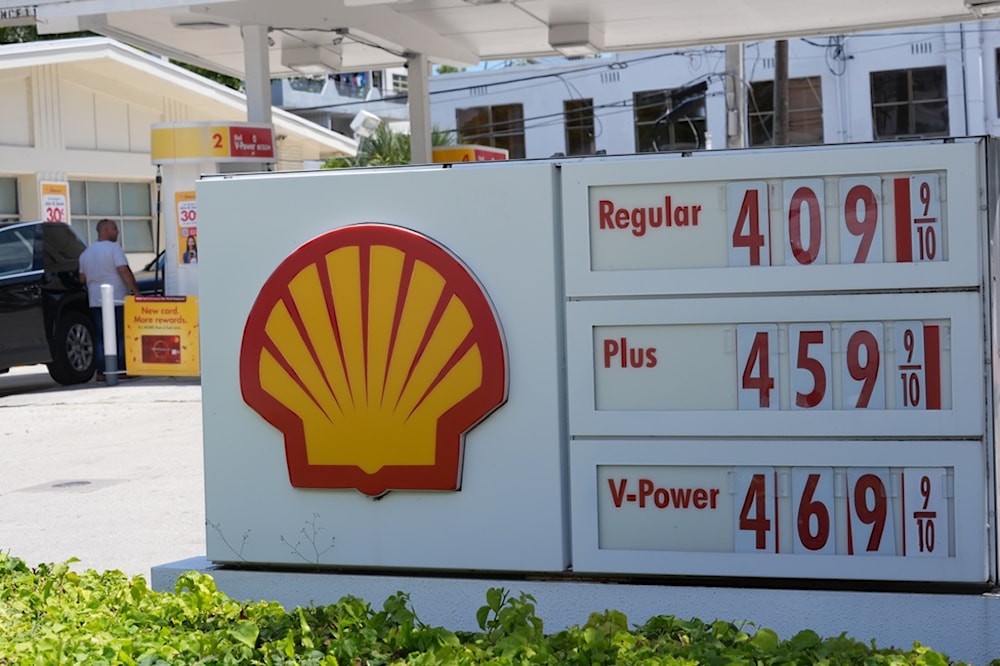
A gasoline station advertises its prices Thursday, Sept. 3, 2026, in Miami Beach, Fla. (AP)
The economic repercussions of Washington's prolonged war on Iran are continuing to spread across the United States, where motorists, workers, and businesses are facing sharply higher fuel costs as disruptions to global energy flows persist, CBS News reported.
Average gasoline prices across the United States surpassed $4 per gallon on March 31, according to AAA, crossing the threshold for the first time since 2022.
The increase is adding to financial pressure on Americans whose livelihoods depend heavily on fuel, including farmers, food delivery workers, and transportation operators, while higher energy costs are also weighing on the US Postal Service.
Diesel prices have climbed even more rapidly than gasoline, raising costs for the trucks, trains, and vessels responsible for transporting goods throughout the country.
The fuel was already facing supply constraints before the outbreak of the war, leaving the US market particularly vulnerable to further disruptions.
Hormuz disruption keeps pressure on energy markets
At the center of the price shock is the continued disruption of maritime traffic through the Strait of Hormuz, the strategic waterway connecting the Gulf to the Gulf of Oman.
Around one-fifth of global oil supplies normally pass through the Strait, making any prolonged disruption there particularly consequential for international energy markets.
Analysts cited by CBS News said US consumers are unlikely to see significant relief at the pump until regular shipping through Hormuz resumes.
The disruption comes more than six months into Washington's war on Iran, which has increasingly imposed economic costs beyond the battlefield and placed additional pressure on US households.
Rising fuel costs squeeze US households
News reports have previously indicated that Americans are changing their spending habits in response to rising gasoline prices, with polling showing significant numbers driving less, cutting household spending, and canceling or altering travel plans.
California motorists continue to face particularly high prices due to the state's dependence on imported oil and higher gasoline taxes, although increases have been recorded across the country.
Crude oil itself accounts for roughly half the cost of a gallon of gasoline in the United States, according to the US Energy Information Administration, while refining, taxation, distribution, and marketing account for much of the remainder.
Seasonal demand is also contributing to the increase, with US gasoline consumption typically rising during warmer months.
The latest figures add to indications that the economic burden of Washington's war is increasingly being felt domestically, as the continued disruption of energy flows through Hormuz pushes transportation and household costs higher across the United States.
Read more: Iranian source to Al Mayadeen: Hormuz remains closed, policy unchanged


