
Wizz Air reports €198mln loss as war on Iran drives up fuel costs
 3 Min Read
Rising jet fuel prices linked to the war on Iran are weighing on airlines, with Wizz Air reporting a sharp quarterly loss amid higher operating costs.
-
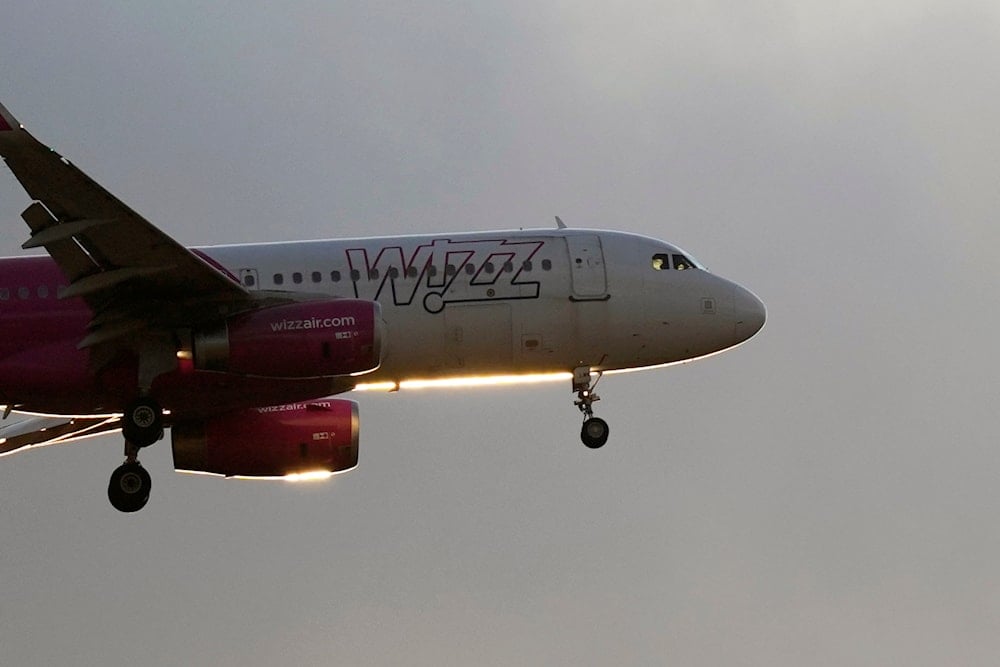
A Wizz Air Airbus A320 approaches for landing in Lisbon at sunset, Saturday, July 20, 2024 (AP)
Wizz Air Holdings Plc reported a net loss of €198 million for the first quarter of its fiscal year, citing soaring jet fuel prices linked to the ongoing war on Iran, marking one of the weakest performances among European carriers for the period, the Financial Times reported.
The Budapest-headquartered low-cost airline swung from a net profit of €38.4 million in the same three-month period a year earlier to a loss of almost €200 million between April and June. The company attributed the reversal to higher fuel costs, expenses related to taking on new aircraft, depreciation costs from handing back older planes, and foreign exchange movements.
“While we reported a net loss for this period, which reflects in particular the 21 per cent rise in unit fuel costs, we operate the business with a strong balance sheet, more than €2bn of cash,” said chief executive Jozsef Varadi.
Varadi added, “While we continue to see the build-up of forward bookings, the rest of the year is expected to present both industry challenges and strategic opportunities.”
Airline industry feels the impact of the war on Iran
The airline industry has been significantly impacted by the surge in fuel costs since the war on Iran closed the Strait of Hormuz, a critical waterway through which approximately one-fifth of the world’s oil transited before the war. Ryanair reported a one-third decline in profits for the same period, while easyJet saw profits fall by more than two-thirds.
Despite the loss, Wizz Air’s revenues rose 5.5 per cent to €1.5 billion between April and June, and the number of passengers carried increased by a quarter to 21.2 million during the three-month period.
Analysts have warned that Wizz is expanding too rapidly. The acquisition of new aircraft contributed to an 8 per cent decline in the company’s “revenue per available seat kilometre,” a core industry metric.
Maritime shipping through Strait of Hormuz, Bab al-Mandab Strait plummets
Maritime traffic through the Strait of Hormuz and Bab al-Mandab fell sharply on August 5, with shipping analytics firm Kpler recording a significant drop in vessel transits across both strategic waterways.
Data from Kpler showed that only two vessels crossed the Strait of Hormuz on Wednesday, down from eight the previous day. A Panama-flagged carrier transporting coal entered the waterway, while a Marshall Islands-flagged commodity vessel sailed out. Prior to the conflict, approximately 130 to 140 ships would normally pass through the strait each day.
Shipping through Bab al-Mandab also declined to a near standstill, with Kpler recording only one transit through the waterway on Wednesday, a Bahamas-flagged dry bulk carrier, compared with 20 vessels a day earlier.
The decline in traffic came as Yemen's Ansar Allah announced missile operations against two Saudi oil tankers, according to the movement. One tanker was targeted near the Saudi Red Sea port city of Yanbu, while the second came under attack in the Gulf of Aden, the movement stated.


