
50% of enemy capabilities would be crippled in phase 1 of war: Rezaei
 3 Min Read
The spokesperson for Iran’s parliament security committee warns that Tehran can destroy 50% of enemy capabilities in the opening phase of a potential war.
-
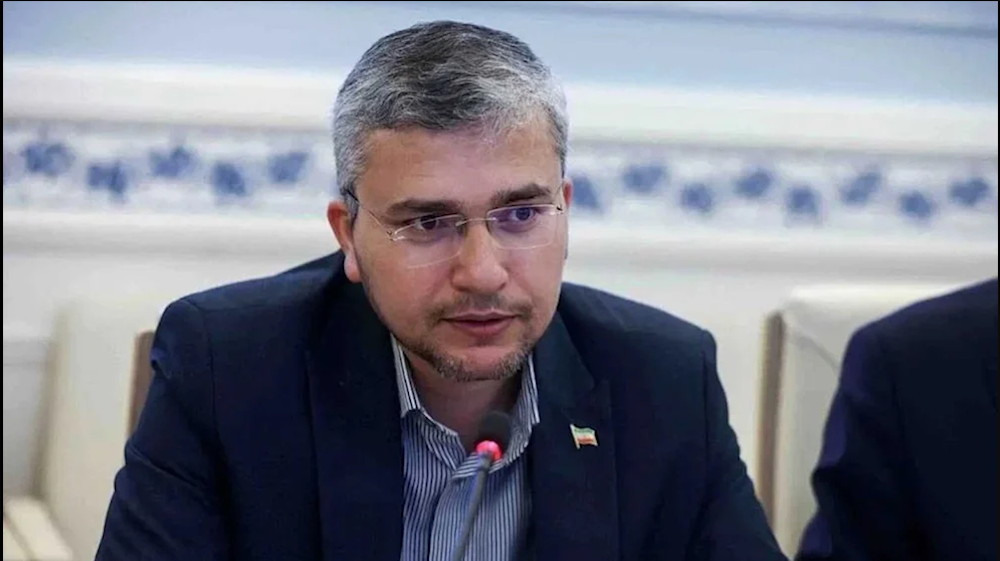
Ebrahim Rezaei, spokesperson for the National Security and Foreign Policy Committee in the Iranian Parliament, undated (ICANA)
Ebrahim Rezaei, the spokesperson for the Iranian parliament's National Security and Foreign Policy Committee, warned on Sunday against any attack on the Islamic Republic, stressing that Iran would "neutralize 50 percent of the enemy's capabilities in the initial phase of any potential war."
Speaking about the outcomes of a committee meeting held earlier in the day, which included a senior commander from the Islamic Revolution Guard Corps' Aerospace Force, Rezaei said standing orders issued by the Commander-in-Chief of the Armed Forces in the event of aggression call for a response "at the highest level, decisive and devastating."
Rezaei cautioned the United States against "any reckless move" or military attack on Iran, warning that such an action would draw the region into a broader confrontation. He added that US military and economic interests across West Asia fall within Iran's operational reach.
He further noted that Iran's offensive capabilities are now stronger than they were during last year's 12-day war, adding that the country possesses capacities far greater than what has been publicly revealed. Rezaei also said Iran maintains "a high level of intelligence dominance" and closely monitors all of the enemy's movements.
Last Friday, Rezaei warned that any response would not be limited to US military bases, as the Israeli entity would also be included in Iran's target list.
Escalation warnings, regional fallout
Rezaei's remarks come amid heightened regional tensions and escalating US threats, with multiple reports indicating that Washington could authorize military strikes on Iran as early as the next few days. Iranian officials have repeatedly warned that any US-led aggression would trigger a regional war, rather than a contained confrontation.
Iranian Leader Sayyed Ali Khamenei reiterated this warning on Sunday, saying Iran does not seek war but would "strike back decisively" against any aggressor, cautioning that a US-initiated conflict would quickly spread across the region.
At the same time, Iranian officials have emphasized that diplomatic channels remain open. In an interview for CNN published on Sunday, Iran's Foreign Minister Abbas Araghchi said a "fair" and "equitable" nuclear deal with Washington remains achievable, despite Tehran having "lost trust" in the US as a negotiating partner. He warned, however, that any collapse in diplomacy would be "a disaster for everybody," warning that US bases across the region would become legitimate targets.
Economic risks for the entity
Israeli media have also warned that a war on Iran would carry severe economic consequences for the Israeli entity, even if initiated by the United States. According to assessments cited by i24NEWS, a large-scale war could disrupt ports and airports, paralyze trade, drive up insurance and energy costs, and force thousands of factories and businesses to suspend operations.
Economists warned that soaring military expenditures combined with falling tax revenues could push "Israel's" public finances into an unprecedented deficit, while prolonged or regional escalation could trigger capital flight and risk a sovereign credit rating downgrade. As one assessment summarized, "the bill will be paid by Israel, even if the strike is American."


