
Baghaei says Iran independently decides how to use unfrozen assets
 3 Min Read
Iran has confirmed it will manage unfrozen funds freely, responding to US remarks about how the assets might be spent.
-
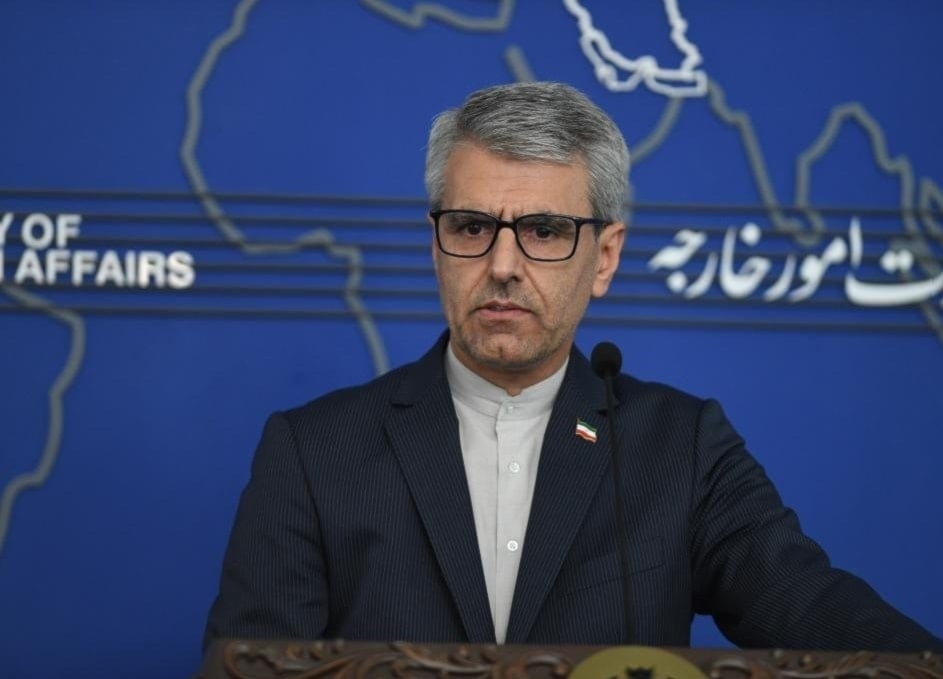
Iranian Foreign Ministry Spokesman Esmaeil Baghaei attends a press conference in Tehran, Iran, on May 5, 2025 (Xinhua)
Iran’s Foreign Ministry said on Tuesday that the country will decide how to use its unfrozen financial assets independently, stressing that the funds will be directed in line with national priorities and economic needs.
Foreign Ministry spokesperson Esmaeil Baghaei said at a press briefing that there are no restrictions on the use of the released funds, including for the import of essential goods.
“We will decide how to use the unfrozen assets in a way that benefits the country,” Baghaei said, adding that relevant bodies, including the agriculture ministry, would assess whether food imports are needed based on price and quality considerations.
He added that the key point is that previously blocked funds are now fully available to Iran for unrestricted use.
Disputing Trump claims
Baghaei’s comments came in response to US President Donald Trump, who said earlier this week that if Iranian assets are unfrozen as part of negotiations, they could be used to buy agricultural products from US farmers.
The statements come amid ongoing diplomatic engagement between Tehran and Washington. Last week, Iran and the United States signed a memorandum of understanding that reportedly outlines steps to end a military confrontation that began on February 28, including provisions related to maritime restrictions and shipping access.
Separately, indirect talks between the two sides were held on June 21 in Burgenstock, Switzerland, with mediation from Pakistan and Qatar, according to reports.
Iran rejects inspections, questions new nuclear talks
This also follows a statement by Baghaei, where he asserts Iran has no plans to allow International Atomic Energy Agency (IAEA) inspectors to visit nuclear facilities recently damaged in US and Israeli strikes, stressing that no mechanism currently exists for such inspections.
Baghaei also dismissed reports of renewed nuclear negotiations with Washington and rejected claims that IAEA inspectors could soon be deployed to Tehran, saying such assertions are "unfounded".
The Iranian official said Tehran would continue cooperating with the IAEA under its existing safeguards obligations within the Nuclear Non-Proliferation Treaty framework but maintained that there is no protocol governing inspections of the damaged sites.
Baghaei also criticized several European countries over their approach to Iran's nuclear dossier, accusing them of marginalizing themselves from negotiations through what he described as an irresponsible policy toward Tehran.
He argued that European states would need to revise their approach if they seek a meaningful role in future diplomatic efforts, while dismissing France's calls for participation in any eventual agreement.
On diplomacy with Washington, informed sources told Iranian media that Tehran did not negotiate its nuclear program during recent talks in Switzerland and accepted no new commitments. According to the sources, any formal negotiations on the nuclear file remain conditional on an end to the conflict between Iran and the United States.
Baghaei has previously stressed that contacts between Iranian and US representatives amounted only to an exchange of positions and did not constitute formal nuclear negotiations.
Read more: Pezeshkian arrives in Islamabad as Sharif hails Iran-US agreement


