
Evidence shows separatist groups involved in riots across Iran: Tasnim
 4 Min Read
Iran accuses Iraq-based separatist groups of fueling unrest and violence in its western regions, naming PJAK and Komala and linking actions to Mossad.
-
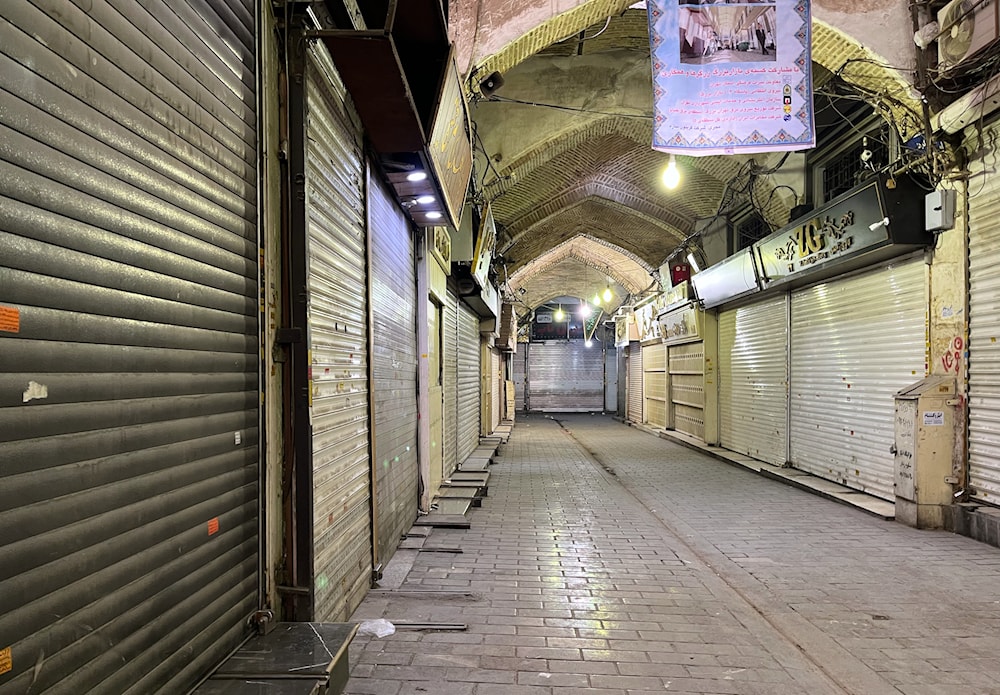
Shops are closed during protests in Tehran's centuries-old main bazaar, Iran, Tuesday, Jan. 6, 2026 (AP)
"Separatist groups" have become involved operationally and on the ground in the ongoing unrest in Iran, Iranian news agency Tasnim reported on Thursday, adding that these groups are based in northern Iraq.
According to the agency, there is evidence indicating on-the-ground involvement by separatist factions in the southwestern provinces of Ilam and Kermanshah. Tasnim said the groups sought to exploit recent protests in parts of the country by issuing organized and coordinated calls aimed at turning the rallies into riots and activities that threaten the country's security, with a particular focus on western and northwestern regions.
The agency added that leaders of groups designated as terrorist organizations played an active role in inciting these actions through coordinated statements and messages. Those named included Ribwar Abdanan of PJAK, Hussein Yazdanpanah of the Pak group, Abdullah Mohtadi and Reza Kaabi of the two Komala factions, as well as the Kurdistan Democratic Party.
Mossad intensifies activity amid unrest
Tasnim added that these developments coincided with intensified activity by online pages linked to "Israel’s" Mossad intelligence agency, alongside statements by Israeli officials and what it described as inciting positions taken by US President Donald Trump. The agency said this reflected multi-level coordination aimed at escalating instability within Iran.
The report also noted that the Iran–Iraq security agreement, which also applies to the Kurdistan Region of Iraq, prohibits these groups from displaying or publishing images of weapons.
In a related development, two Iranian police officers were killed and 30 others wounded on Wednesday after gunfire by what authorities described as rioters in the city of Lordegan, in Chaharmahal and Bakhtiari province. The police chief of Iran’s western Lorestan province announced the arrest of seven individuals accused of inciting riots in the province, adding that firearms were seized in their possession.
Iranian authorities recognized what they described as the public’s right to hold protests while emphasizing the importance of distinguishing between peaceful demonstrations and violent riots, with Judiciary chief Gholam-Hossein Mohseni-Ejei warning that those participating in acts of violence would face strict measures and that there would be “no leniency and no indulgence” toward them.
Economic unrest fuels protests
In late December, protesters took to the streets to express anger over the rapid weakening of the Iranian rial and the resulting surge in prices across wholesale and retail markets. Iranian officials, including senior political figures, have publicly acknowledged the legitimacy of economic grievances, particularly among bazaar merchants and working families affected by currency volatility and rising living costs.
At the same time, authorities have warned that such protests have been deliberately targeted by coordinated groups seeking to transform economic discontent into disorder. Security bodies have said some detainees admitted to receiving foreign-linked financial incentives, including payments in US dollars, as part of efforts to incite unrest, claims Tehran has cited as evidence of external attempts to destabilize the country under conditions of sustained sanctions pressure.
The economic fallout has also produced political consequences. Amid mounting pressure and market instability, Mohammad Farzin stepped down from his post as governor of the Central Bank of the Islamic Republic of Iran, marking a high-level resignation as the government moved to recalibrate monetary and exchange-rate policies in response to the crisis. Farzin was succeeded by Abdolnaser Hemmati, following an evaluation process in which he received the highest score from banking and financial experts and secured the government’s vote of confidence.


