
Fahmy, Araghchi discuss impact of war on Arabs, ways to ease tensions
 3 Min Read
Arab League chief Nabil Fahmy met Iran's Abbas Araghchi at the UN General Assembly to discuss the war's impact on Arab states and ways to ease tensions.
-
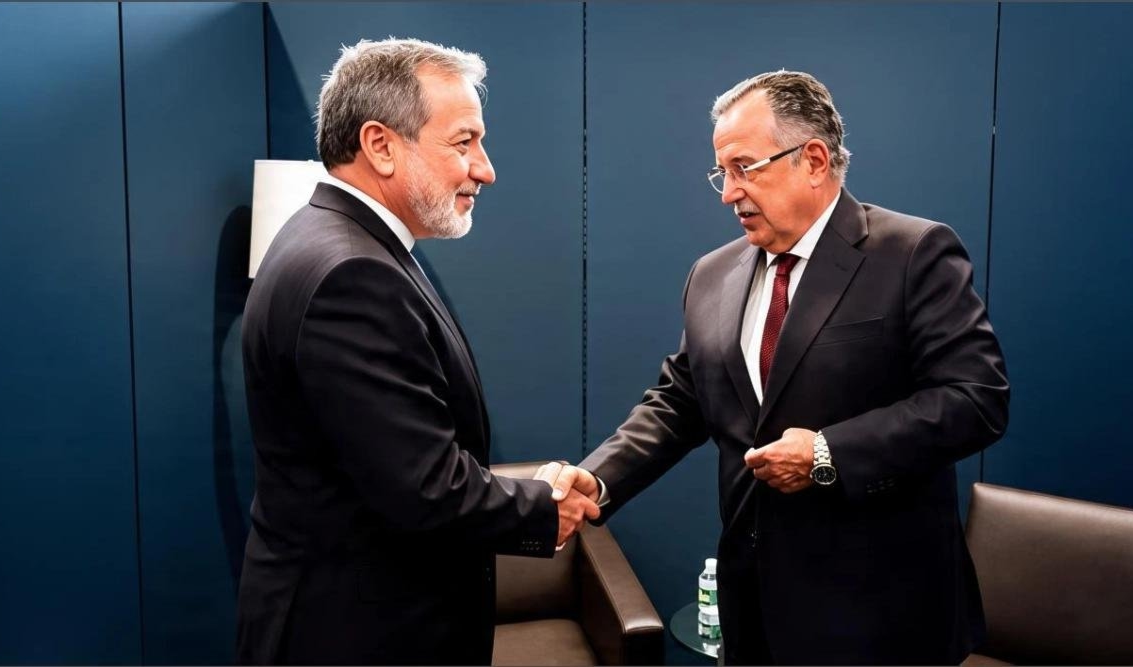
Arab League Secretary-General Nabil Fahmy shakes hands with Iranian Foreign Minister Abbas Araghchi on the sidelines of the UN General Assembly in New York on Saturday, September 26, 2026. (Photo via X/@lassecgen)
Arab League Secretary-General Nabil Fahmy met Iranian Foreign Minister Abbas Araghchi on the sidelines of the UN General Assembly in New York to discuss how the war is affecting Arab countries and how it can be resolved.
Fahmy said he stressed the need to respect the "security and sovereignty of Arab states" and to maintain good-neighborly relations. He also called for lowering tensions and giving priority to political and diplomatic solutions that can bring stability back to the region.
#نبيل_فهمي يلتقي #وزير_خارجية_إيران
— الأمين العام لجامعة الدول العربية (@lassecgen) September 26, 2026
التقى نبيل فهمي، الأمين العام لجامعة الدول العربية، عباس عراقجي، وزير خارجية الجمهورية الإسلامية الإيرانية، على هامش أعمال الدورة (81) للجمعية العامة للأمم المتحدة في نيويورك.
وتناول اللقاء تداعيات الأزمة الراهنة على الدول العربية وسبل الخروج… pic.twitter.com/4LVUVnZVbK
Several countries have held bilateral meetings at the Assembly, particularly with Iran, to discuss regional developments. The General Assembly's high-level general debate opened on September 22 and runs through September 28.
Trump rejects Iran's latest proposal
Earlier today, US President Donald Trump rejected Iran's latest proposal. Tehran had presented Washington, through Qatar, with a seven-day plan to reopen the Strait of Hormuz and halt all hostilities during the UN gathering.
"I reject their proposal. I rejected their deal," Trump told reporters at the White House on Saturday, Reuters reported.
He claimed Iran wants to reopen the strait immediately because it is "losing so badly."
Iran's conditions
Araghchi told reporters outside the UN headquarters on Friday that the plan starts a seven-day countdown to reopening the strait and ending the war on all fronts, including Lebanon. The clock begins once Washington accepts Tehran's conditions.
"When the United States accepts our conditions, the seven-day plan to open the strait begins," he said.
- An end to all US military and hostile actions, including in Lebanon
- The release of frozen Iranian assets
- The lifting of the US naval and oil blockade
- The removal of economic and political sanctions
- The withdrawal of US naval and air forces from near Iran
- Compensation for war damages
- An end to US threats and insults
Araghchi said Iran remains committed under Article 5 of the memorandum of understanding to facilitating shipping through the strait, allowing traffic to return to 60 percent of normal levels. He stressed that Iran will not reopen the waterway under economic pressure.
"Iran does not accept anything through coercion and intimidation," he said.
A senior Iranian official also told Reuters Friday that Iran would make no concessions on its civilian nuclear program, including uranium enrichment, even if Washington accepted the plan.
Read more: Iran unveils seven conditions for reopening Strait of Hormuz


