
Iran outlines ceasefire plan, includes Hormuz limits, sanction relief
 3 Min Read
Iran has proposed a comprehensive ceasefire plan calling for US troop withdrawal, sanctions relief, and regulated Strait of Hormuz shipping, according to Fars News Agency.
-
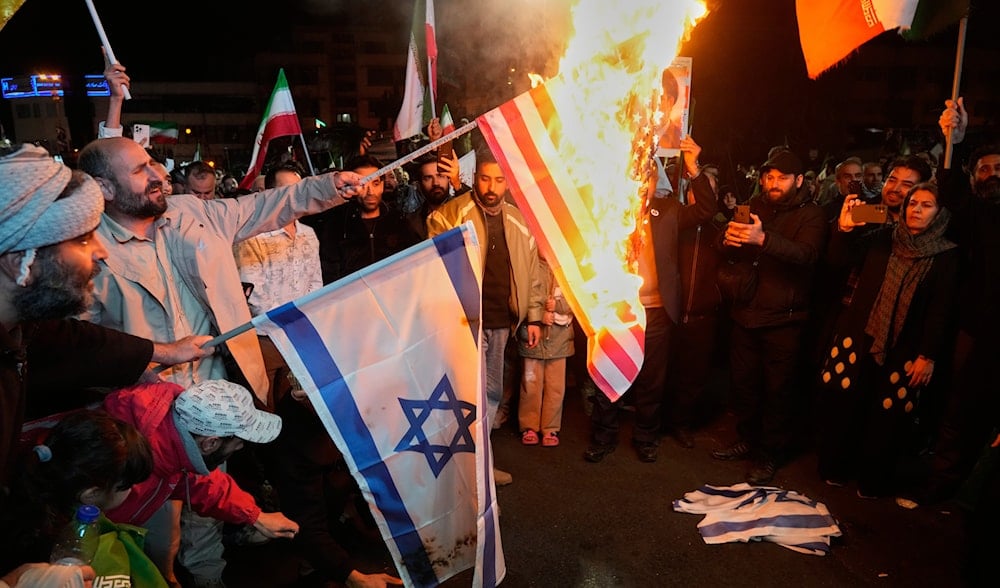
Iranian demonstrators burn the US and Israeli flags during a gathering after announcement of a two-week ceasefire, at the Enqelab-e-Eslami, Square, in Tehran, Iran, April 8, 2026 (AP)
Iran has put forward a detailed ceasefire proposal outlining conditions for halting regional hostilities, Fars News Agency reported Wednesday, citing informed sources.
The plan calls for a complete stop to all attacks against Iran and allied resistance forces, as well as the withdrawal of US combat forces from the region. It also prohibits any attacks from foreign bases on Iranian territory and restricts the deployment of new combat formations.
Under the proposal, the Strait of Hormuz would see limited daily ship passages for two weeks, subject to a safe passage protocol supervised and regulated by Iran.
Primary, secondary sanctions to be lifted, compensation for damages
Key economic and diplomatic conditions include the lifting of all primary and secondary sanctions on Iran, including those imposed by the United Nations, and compensation for damages through the creation of a financial and investment fund.
Iran would also refrain from developing nuclear weapons, while the United States would recognize Iran’s right to uranium enrichment, with negotiations on enrichment levels. Tehran is willing to negotiate bilateral and multilateral peace treaties with regional countries, in line with its national interests.
The proposal further extends the principle of non-aggression to all aggressors targeting any resistance groups and calls for the annulment of all United Nations Security Council and Board of Governors resolutions, with all commitments formalized in an official UN resolution.
Fars News Agency noted that Iran had previously rejected a US 15-point plan, insisting that any ceasefire must be based on Tehran’s outlined terms.
Iran secures ceasefire, talks under its own terms
On April 8, Iran secured a significant diplomatic victory by reaching a two-week ceasefire with the United States, officials announced Wednesday. The agreement followed intense negotiations and regional mediation, with Iran agreeing to suspend defensive operations if US and Israeli attacks are halted.
The ceasefire also allows safe passage through the strategically vital Strait of Hormuz under Iranian coordination, ensuring continued maritime traffic while maintaining military and technical oversight. Iranian Foreign Minister Abbas Araghchi highlighted the role of Pakistan’s leaders in facilitating the agreement.
Araghchi stated that the ceasefire reflects the sacrifices of Iranian forces and the enduring support of the population since the start of the conflict. He cited US acceptance of the general framework of Iran’s 10-point proposal as a key basis for negotiations.
Iran’s demands under the ceasefire emphasize non-aggression guarantees, control over the Strait of Hormuz, recognition of its uranium enrichment rights, and relief from primary and secondary sanctions. The country also seeks termination of UN resolutions it views as punitive.
Tehran further calls for compensation for damages, the withdrawal of US forces from the region, and the end of aggression on all fronts, including in Lebanon. These measures aim to secure Iran’s national security, economic stability, and regional influence.


