
Trump says US to halt attacks on Iran amid Pakistan-mediated talks
 4 Min Read
US President Donald Trump suspends military action against Iran amid Pakistan-mediated talks and a 10-point proposal from Tehran.
-
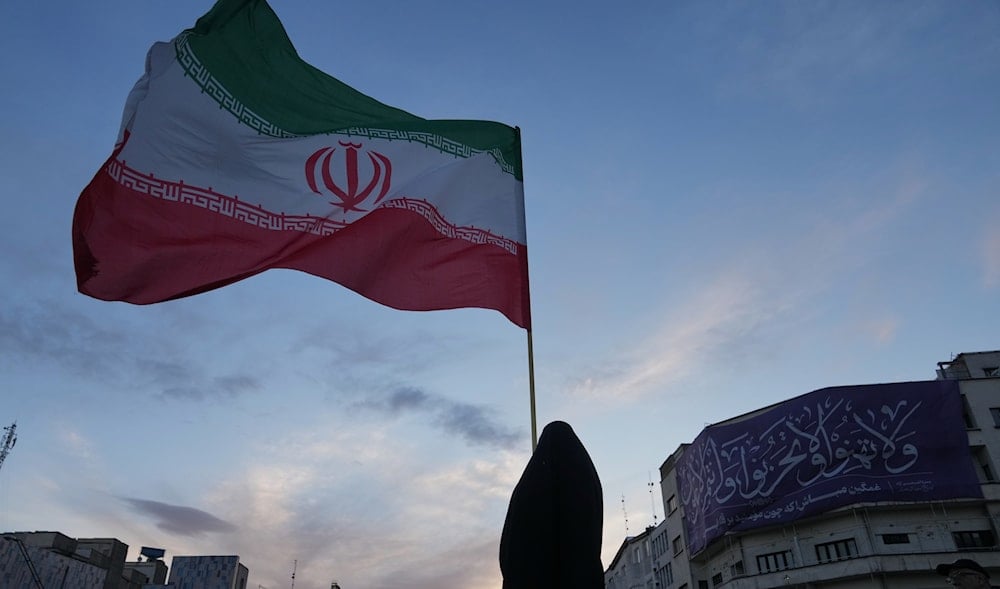
A woman holds an Iranian flag at an intersection in downtown Tehran, Iran, Monday, April 6, 2026 (AP)
The United States is temporarily halting planned attacks on Iran, citing diplomatic discussions with Pakistani leaders and ongoing negotiations with Tehran, US President Donald Trump announced on Tuesday.
In a post on Truth Social, Trump stated that the decision followed “conversations with Prime Minister Shehbaz Sharif and Field Marshal Asim Munir, of Pakistan, and wherein they requested that I hold off the destructive force being sent tonight to Iran.” He added that the suspension is “subject to the Islamic Republic of Iran agreeing to the COMPLETE, IMMEDIATE, and SAFE OPENING of the Strait of Hormuz,” describing it as a “double sided CEASEFIRE.”
Trump claimed that the United States had already achieved its military goals, writing, “The reason for doing so is that we have already met and exceeded all Military objectives, and are very far along with a definitive Agreement concerning Longterm PEACE with Iran, and PEACE in the Middle East.”
He also referenced a recent proposal from Tehran, saying, “We received a 10 point proposal from Iran, and believe it is a workable basis on which to negotiate. Almost all of the various points of past contention have been agreed to between the United States and Iran, but a two week period will allow the Agreement to be finalized and consummated.”
Concluding the post, Trump framed the potential deal as a historic diplomatic achievement, writing, “On behalf of the United States of America, as President, and also representing the Countries of the Middle East, it is an Honor to have this Longterm problem close to resolution. Thank you for your attention to this matter!”
Pakistan calls on Trump to extend his deadline
Earlier, Pakistani Prime Minister Shehbaz Sharif had urged President Trump to extend the deadline for reaching an agreement with Iran by two weeks, while calling on Tehran to reopen the Strait of Hormuz during the same period.
In an April 7 statement posted on X, Pakistani Prime Minister Shehbaz Sharif called for a two-week extension to allow diplomatic talks to continue, citing growing momentum toward a political resolution.
"Diplomatic efforts for peaceful settlement of the ongoing war in the Middle East are progressing steadily, strongly and powerfully with the potential to lead to substantive results in near future. To allow diplomacy to run its course, I earnestly request President Trump to extend the deadline for two weeks," Sharif said on X.
His appeal comes amid mounting contradictions in Washington’s position. A ceasefire framework, reportedly drafted around a US-led set of demands and conveyed through Pakistani mediation, has been presented to both sides. The proposal outlines a phased arrangement that includes reopening the strategic waterway and initiating negotiations toward a broader settlement.
The proposal itself, widely described as a two-phase plan, envisions an initial ceasefire, reported to last around 45 days, followed by negotiations toward a long-term settlement. The framework was developed through mediation efforts led by Pakistan, incorporating US proposals and conveyed via indirect contacts between American and Iranian officials, with Islamabad playing a central role in relaying messages between the sides.
Sharif’s call for a delay underscores growing concern among mediators that the US deadline could derail ongoing diplomatic efforts, particularly as the war continues to intensify and raises fears over global energy supplies due to potential disruptions in the Strait of Hormuz.


