
Pakistan hints Turkey, Qatar may join Saudi defense pact
 3 Min Read
Pakistan signaled that Turkey and Qatar could potentially join an emerging Saudi-Pakistan defense framework as regional powers deepen military coordination amid ongoing instability in West Asia.
-
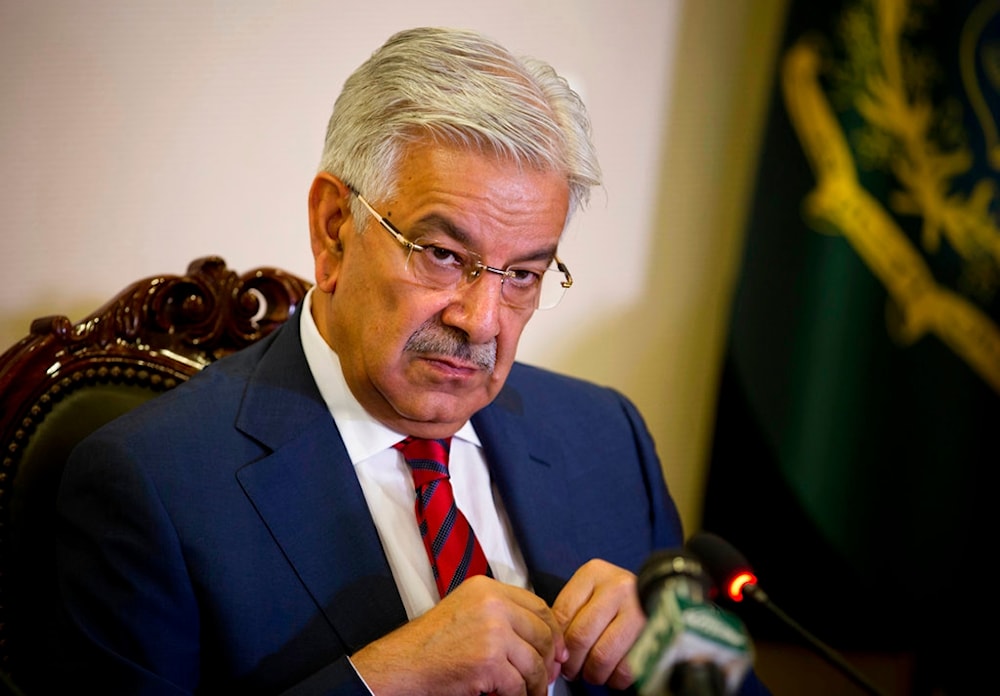
In this April 2, 2018, file photo, Pakistan's Foreign Minister Khawaja Mohammad Asif listens to a reporter at the Foreign Ministry in Islamabad, Pakistan (AP)
Pakistani Defense Minister Khawaja Asif hinted at the possibility of Turkey and Qatar joining a defense cooperation arrangement currently being developed between Pakistan and Saudi Arabia, according to a Bloomberg report published Tuesday.
Speaking during a televised interview Monday evening, Asif said the agreement between Islamabad and Riyadh remains under preparation, adding that “if Qatar and Turkey also join the existing agreement, that would be a positive development.”
The Pakistani minister said the initiative aims to expand cooperation among “like-minded countries” in a way that strengthens regional stability and collective security.
The remarks come months after Saudi Arabia and Pakistan signed a joint defense agreement during Pakistani Prime Minister Shehbaz Sharif’s visit to Riyadh on September 17, 2025.
According to statements released at the time, the agreement was intended to deepen defense cooperation between the two countries and strengthen joint deterrence capabilities amid growing regional instability.
Shifting regional security order
The latest discussions over expanding the framework reflect broader shifts in regional security calculations following years of escalating tensions and the recent US-Israeli war on Iran, which exposed the vulnerability of Gulf infrastructure, shipping routes, and energy markets despite longstanding Western military presence in the region.
Rather than signaling a straightforward anti-Iran coalition, the emerging coordination appears tied to growing efforts by regional powers to build more autonomous security arrangements amid declining confidence in traditional US-led protection frameworks.
The war demonstrated that regional escalation can rapidly threaten the economic and strategic interests of multiple states simultaneously, particularly after disruptions in the Strait of Hormuz and retaliatory strikes targeting infrastructure across the Gulf intensified fears of a wider regional breakdown.
Within that context, Saudi Arabia has sought stronger deterrence and regional coordination following months of instability, while Pakistan has faced mounting concerns over energy security and economic exposure linked to maritime disruptions in the Gulf.
Turkey, meanwhile, has increasingly positioned itself as both a military and diplomatic power seeking greater influence across West Asia through defense cooperation, mediation efforts, and the expansion of its defense industry partnerships.
Fragmented regional balancing
The evolving alignment also remains politically complex. Qatar has maintained relatively close ties with Tehran and has frequently acted as a regional mediator, while Pakistan recently played a mediating role between Iran and the United States during talks hosted in Islamabad.
Turkish officials have likewise repeatedly criticized Israeli military actions and warned against broader regional escalation, complicating portrayals of the emerging framework as a unified anti-Iran bloc.
Separately, Qatari Emir Tamim bin Hamad Al Thani met Turkish Foreign Minister Hakan Fidan on Tuesday at Lusail Palace, where both sides stressed the need for greater coordination and consultation to support regional security and stability.
Bloomberg previously reported in January that Ankara had shown interest in joining the emerging Saudi-Pakistan defense framework as regional alliances continue to shift amid the wider geopolitical confrontation in West Asia.
Read more: Pakistani PM heads to KSA as Riyadh pledges $3 bln in extra deposits


