
Pentagon prepares NATO troop options amid US pressure on Europe
 5 Min Read
The Pentagon is preparing multiple options for US troop deployments in Europe as Washington pressures NATO allies to assume a greater military burden.
-
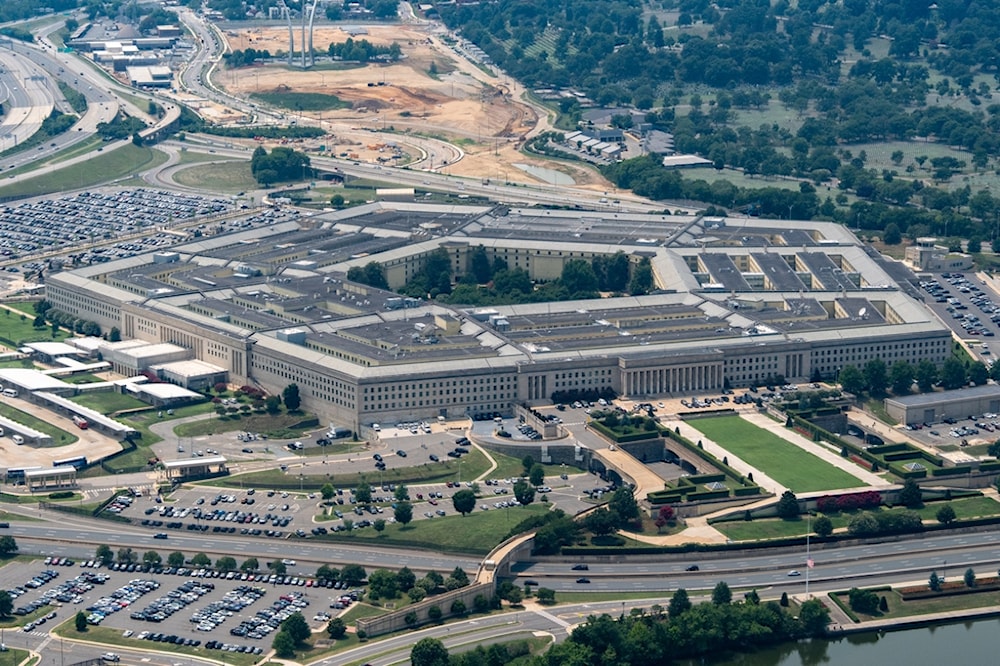
The Pentagon is seen from the air, July 15, 2026, in Washington. (AP Photo/Alex Brandon)
The Pentagon is preparing at least four sets of options for US military deployments in Europe for Defense Secretary Pete Hegseth by November 6, weeks before the December deadline for completing the administration’s review, according to a document seen by Reuters.
The accelerated review is raising concern among NATO allies, who fear it could result in major cuts to the roughly 80,000 US troops stationed across Europe and further reshape Washington’s military commitments to the alliance.
The process also exposes the Trump administration’s broader effort to pressure European allies into assuming a greater share of the military and financial burden while aligning more closely with US strategic priorities.
Read more: NATO at a breaking point: Europe pushes back as US pressure mounts
Pentagon accelerates review of US troops in Europe
The Pentagon’s previously undisclosed “Terms of Reference” outline the procedures and criteria that will guide the review of US basing and force deployments across Europe.
A key stage is expected by September 18, when the top US general in Europe will participate in a decision briefing with Pentagon policy chief Elbridge Colby.
According to the document, the briefing will help determine the range of options ultimately presented to Hegseth.
A senior Pentagon official told Reuters that the review is intended to produce different force levels and deployment arrangements.
“We want to be able to talk through the pros and cons of a variety of different force levels or dispositions,” the official said.
However, European officials remain skeptical, with some privately concerned that Washington has effectively already decided to reduce its military footprint and is using the review to determine how far those reductions should go.
NATO allies fear major US troop cuts
The Trump administration has repeatedly signaled that it wants European NATO members to assume greater responsibility for the continent’s defense, reducing the military resources Washington commits to Europe.
The review comes against the backdrop of mounting tensions between Washington and European capitals over the extent of allied support for US military operations and strategic priorities.
Trump has criticized European NATO members for what his administration considers inadequate support for the US-Israeli war against Iran, including disputes over access to military bases and permission for US aircraft to use European airspace.
NATO Secretary General Mark Rutte has acknowledged Trump’s frustration while arguing that most European allies have provided assistance.
The Pentagon official further told Reuters that Washington was moving toward a model in which the US would provide “critical, more limited support with allies in the lead.”
The official also acknowledged that the administration wants options that could result in lower US force levels in Europe.
“President Trump has also been quite rightly and clearly frustrated with certain allies' behavior in recent months. So there's clearly at least some demand signal to have options that would show us (downgrading) our force levels in Europe,” the official told the news outlet.
Read more: Tensions with Hegseth lead US Army Sec. Dan Driscoll to resign
Washington ties military presence to allied support
The Pentagon’s review extends beyond the number of US troops stationed on European soil. The Terms of Reference examine whether NATO allies can provide reliable access, basing and overflight rights, known as ABO, while also assessing space, cyber, intelligence infrastructure, and other capabilities supporting US global power projection.
The Pentagon says the broader definition is intended to account for the full range of support provided by NATO members.
The review will also assess whether allies have a credible path toward meeting NATO defense-spending commitments and whether they can address gaps in the alliance’s crisis-response forces under the NATO Force Model following previously announced US reductions.
Pentagon expands criteria for evaluating NATO allies
The Pentagon has already sent NATO allies a questionnaire seeking information on defense spending, military strategy, procurement, and support for US foreign policy priorities.
Washington asked allies whether they had imposed restrictions on US access, basing, and overflight and whether they were prepared to reduce or eliminate those restrictions.
Another question asked whether governments had opposed regulations or other measures that Washington considers obstacles to transatlantic defense-industrial cooperation, and whether they would be willing to oppose such measures.
Responses are due Friday. The senior Pentagon official told Reuters that the review as operating under a tight schedule, with previous analysis expected to accelerate the process.
Read more: US abandons NATO command overseeing arms pipeline to Ukraine


