
Shipping groups keep Strait of Hormuz designation as warlike ops area
 2 Min Read
Shipping employers and unions say the Strait of Hormuz will remain classified as a war zone, extending double pay and protections for seafarers amid continued regional instability.
-
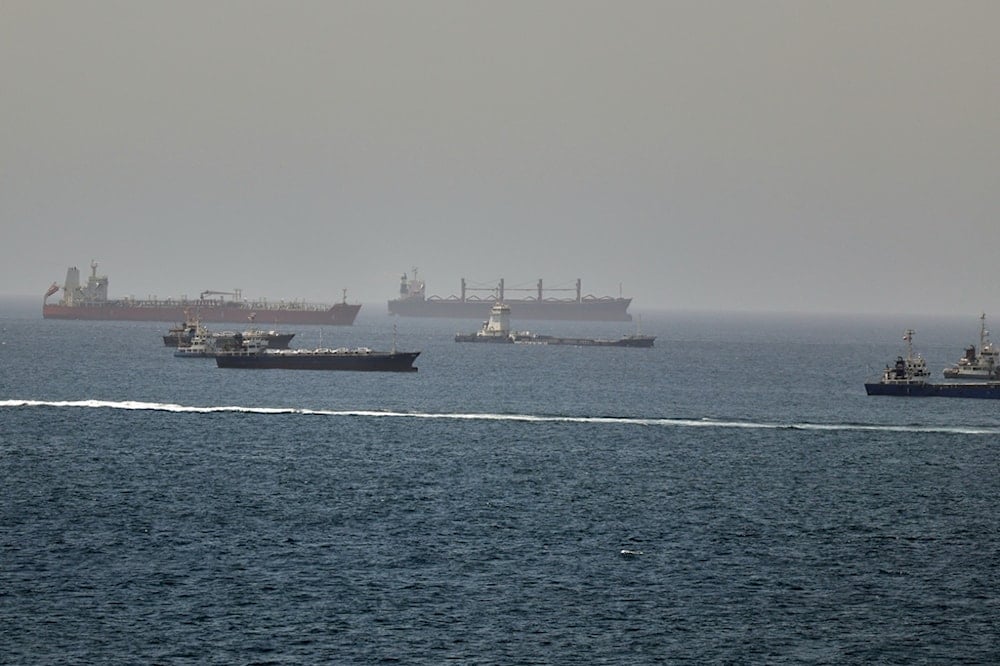
Tankers and cargo vessels are seen in the Gulf of Oman, along shipping routes linking the Strait of Hormuz and the Arabian Sea, Tuesday, June 16, 2026 (AP)
Shipping employers and maritime unions have agreed to extend the designation of the Strait of Hormuz as a warlike operations area until at least July 9, maintaining enhanced pay and safety protections for seafarers operating in the region despite a fragile truce.
The decision, confirmed in a joint statement by the International Transport Workers’ Federation (ITF) and the Joint Negotiating Group (JNG), applies to vessels covered under International Bargaining Forum (IBF) agreements, affecting roughly 15,000 ships worldwide.
Under the designation, seafarers transiting the Strait and surrounding waters are entitled to double pay, alongside the right to refuse passage through the area and request repatriation at the employer’s expense, significantly increasing operational costs for shipping companies.
Read more: Oil slips as Iran rejects direct US meeting in Qatar
Safety measures upheld amid continued instability
The IBF said the extension reflects “continuing and significant risk to life and the rapidly evolving situation in the area,” according to the joint statement.
Industry bodies emphasized that the arrangement remains a necessary safeguard for crews navigating one of the world’s most strategically sensitive maritime corridors, where commercial shipping has been repeatedly disrupted.
The decision comes after reports of two vessels being targeted since a memorandum of understanding was reached between Iran and the United States aimed at de-escalating hostilities in the region.
Shipping routes through the Strait of Hormuz have remained under pressure since early March, after the US and "Israel" launched aggression against Iran, causing heightened security alerts across Gulf waters and disruptions to commercial navigation.
Iran utilized its geographic leverage over the key waterway and blocked it for all ships tied to the US-Israeli aggressions, essentially using the Strait as an economic weapon in retaliation for the hostilities.
Read more: Araghchi from Iraq: Hormuz will remain under Iranian administration
Review mechanism reinstated
The IBF said the joint committee overseeing war-risk classifications will return to weekly assessments of the situation.
Those meetings had been paused earlier in the year amid sustained instability in the Strait, according to sources familiar with the process.
The latest extension underscores continued uncertainty over maritime security in one of the world’s most critical energy shipping lanes.


