
SpaceX pressed Pentagon to pay more for Starlink amid war on Iran
 4 Min Read
SpaceX reportedly secured higher Pentagon payments for Starlink services used in US drone operations during the war on Iran.
-
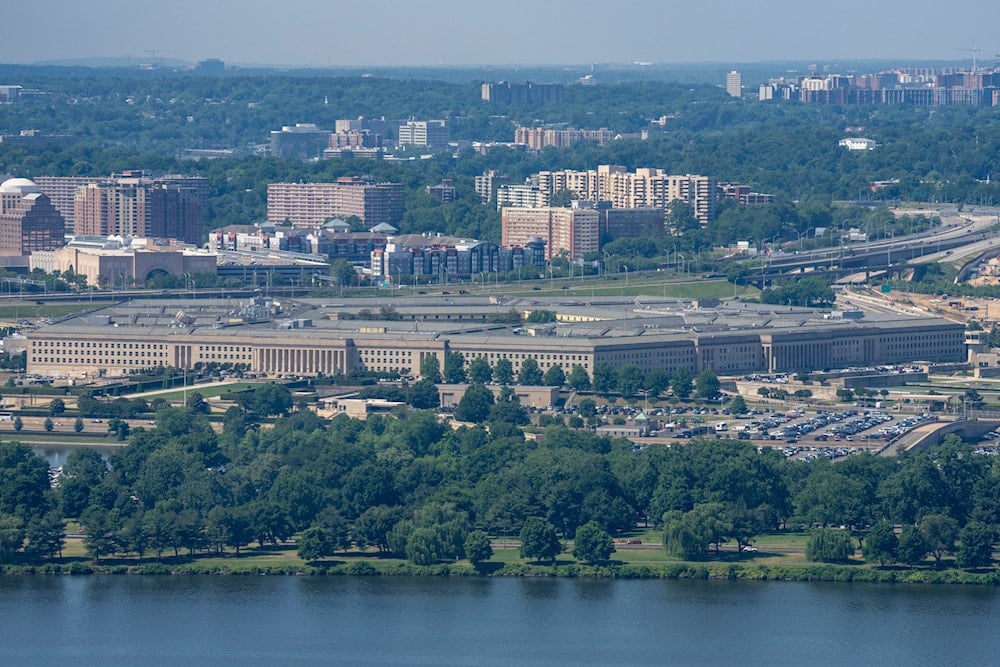
The Pentagon is seen, Tuesday, May 19, 2026, in Washington. (AP)
SpaceX sought a major increase in what the Pentagon pays for access to its Starlink satellite network after US kamikaze drones guided by the system were used effectively during the war against Iran, according to sources familiar with the matter and documents reviewed by Reuters.
Within weeks of the US-Israeli war on Iran, senior SpaceX executives met Pentagon officials and argued the military had been underpaying for Starlink access used on LUCAS suicide drones, two sources said. The company said the Pentagon had been paying around $5,000 per terminal while effectively using a higher-tier service worth closer to $25,000.
The dispute centered on Starlink’s use aboard LUCAS drones, a relatively inexpensive US-made loitering munition comparable to Iran’s Shahed drones. The drones can circle above a target area before diving to detonate on impact.
According to sources familiar with the discussions, the disagreement is part of growing tensions between SpaceX and the Pentagon over Starlink pricing in recent months. The Pentagon has also reportedly clashed with SpaceX over pricing tied to plans to provide Iranian dissidents with direct-to-cell Starlink access.
Unlike consumer Starlink terminals sold commercially, SpaceX provides the Pentagon with a military-focused version known as Starshield under a 2023 agreement. According to a source familiar with the matter, Starshield terminals can connect to both the commercial Starlink satellite network and a separate secure Starshield constellation.
Pentagon agrees to higher costs
SpaceX argued the LUCAS drones were operating under conditions more consistent with the company’s aviation-tier subscription service rather than lower-priced land or mobility plans. Pentagon officials countered that the $25,000 monthly fee was designed for aircraft, not expendable drones that relied on Starlink for only brief periods during missions, one source said.
The Pentagon ultimately agreed to SpaceX’s proposed increase while ramping up the aggression on Iran, nearly doubling the cost of each LUCAS drone. The Pentagon had initially been paying roughly $30,000 per drone, according to the report.
The Pentagon declined to comment on Reuters reporting regarding the pricing increase, its decision to accept the higher costs, or plans to provide Iranian citizens with Starlink-based cellular service. However, a Pentagon official said the Commercial Satellite Communications Office was seeking alternative providers.
“The Department of War is committed to fostering a competitive environment for commercial satellite communications,” the official said in a statement.
Pentagon, Musk scramble to deny Reuters' report
After Reuters published its report, Elon Musk called the story “false” in a post on X without elaborating. He added that the civilian Starlink system had been improperly used “for military purposes” and later said “the company” was at fault rather than the Pentagon.
Reuters article is false.
— Elon Musk (@elonmusk) May 26, 2026
They made improper use of the Starlink civilian system for military purposes. Direct violation of terms of service.
A spokesperson for Spektreworks, the manufacturer of the LUCAS drone, referred questions to the Pentagon. Pentagon spokesperson Sean Parnell also rejected the Reuters report in a post on X, saying it was “wrong” while describing SpaceX as “a strong and valued partner” of the Department of War.
The Fake News media has the story wrong, again. @SpaceX remains a strong and valued partner to the Department of War.
— Sean Parnell (@SeanParnellASW) May 26, 2026
The claims in this article are simply not based in reality and do not reflect the close, effective collaboration between our teams. https://t.co/872Maa5FX2
Despite the dispute, no company currently offers a direct alternative to Starlink’s capabilities. Since the outbreak of the war in Ukraine in 2022, the network has become a central component of modern warfare by enabling battlefield communications and precision targeting in remote regions. SpaceX’s constellation of roughly 10,000 satellites accounts for more than 60% of all satellites currently in orbit, far surpassing competing systems being developed by companies such as OneWeb and Amazon.
SpaceX pricing power raises Pentagon concerns
Analysts and defense officials have grown increasingly concerned over SpaceX’s leverage in military communications as Starlink becomes more deeply integrated into US operations during the war on Iran.
According to Reuters, Starshield terminals were already being used across more than a dozen drone systems when the US-Israeli war on Iran began, including LUCAS attack drones and unmanned maritime vessels. Tensions emerged shortly after the start of the conflict when Elon Musk said on X that using commercial Starlink terminals for weapons systems violated the platform’s terms of service, adding that the Pentagon should instead rely on the separate Starshield network.
Reuters reported that the military is considering purchasing more than 3,500 additional Starshield subscriptions, including high-cost aviation-tier services that could generate hundreds of millions of dollars annually for SpaceX.


