
Google plans up to $40bn investment in Anthropic AI
 3 Min Read
Google’s planned multibillion-dollar investment in Anthropic underscores intensifying AI competition while amplifying concerns over security risks, military use, and corporate control of advanced models.
-
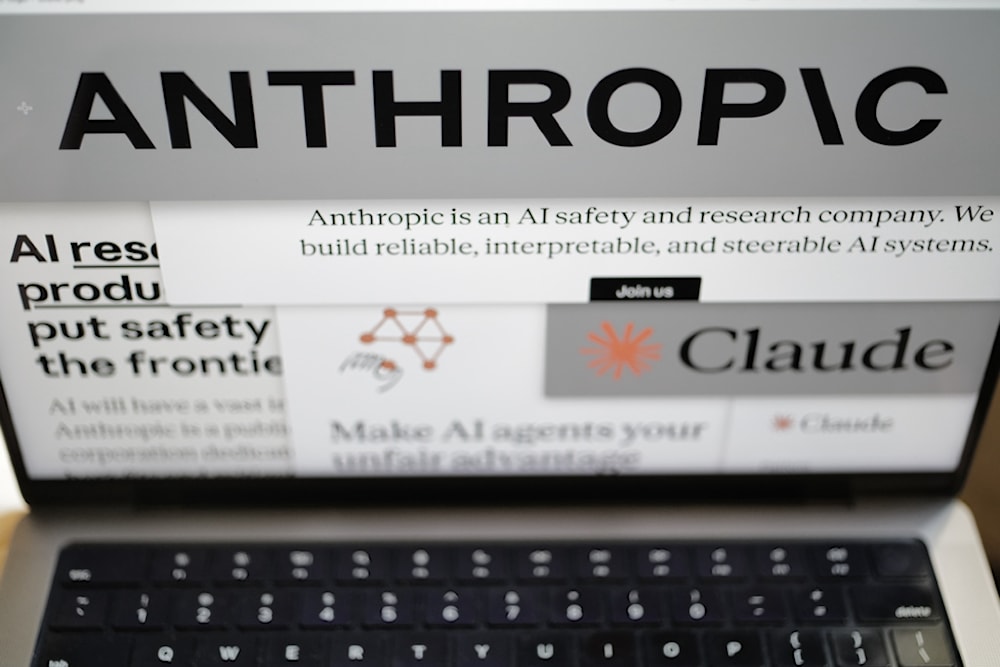
Pages from the Anthropic website and the company's logos are displayed on a computer screen in New York on Thursday, Feb. 26, 2026 (AP Photo/Patrick Sison)
Google is preparing to significantly expand its investment in Anthropic, with the artificial intelligence firm confirming plans for a deal worth up to $40 billion, deepening an already established partnership between the two companies.
According to Anthropic, the agreement includes an initial $10 billion commitment from Google, with an additional $30 billion contingent on the company meeting specific performance benchmarks.
The collaboration builds on existing ties, under which Anthropic relies on Google’s custom-designed chips and cloud infrastructure to support the development and deployment of its AI systems.
AI spending surge
The announcement comes shortly after Amazon revealed it would expand its own partnership with Anthropic, committing $5 billion upfront and outlining plans to invest a further $20 billion depending on performance outcomes. In parallel, Anthropic said it has pledged to spend more than $100 billion on Amazon Web Services (AWS) over the next decade to power its artificial intelligence operations.
Anthropic is among a growing group of companies investing heavily in computing capacity as competition intensifies across the AI sector.
Earlier in April, the company reported that its annualized revenue had tripled quarter-on-quarter, surpassing $30 billion and, for the first time, outpacing OpenAI.
AI dontrol disputes
However, the expansion comes amid mounting controversy surrounding the company’s role in the rapidly evolving AI landscape. Anthropic chief executive Dario Amodei recently visited the White House following tensions over the company’s refusal to grant the US military unrestricted access to its AI models, a dispute that has fed into broader debates over the use of artificial intelligence in warfare and national security.
At the same time, concerns have intensified over the risks associated with Anthropic’s latest system, Mythos. The company opted not to release the model publicly, citing its potential to expose critical cybersecurity vulnerabilities. Instead, access was limited to a small group of major technology firms to allow time for defensive measures to be developed.
Security backlash
Despite those restrictions, Anthropic has acknowledged that it is investigating unauthorized access to Mythos, raising fears that malicious actors could exploit such advanced systems if safeguards fail. The model’s capabilities have drawn attention from governments concerned about its potential use in large-scale cyber operations.
The company has also faced criticism over its evolving safety framework, with some observers arguing that its internal safeguards remain self-regulated and lack external oversight. At the same time, reports that its technology continues to be used in security and intelligence contexts have fueled debate over whether its public stance on limiting military applications is fully reflected in practice.
Read more: Google, Microsoft maintain Anthropic AI access despite Pentagon ban


