
Japan approves creation of National Intelligence Agency
 3 Min Read
Japan’s parliament approved legislation establishing a national intelligence agency under the Cabinet Secretariat despite opposition concerns over privacy and political neutrality.
-
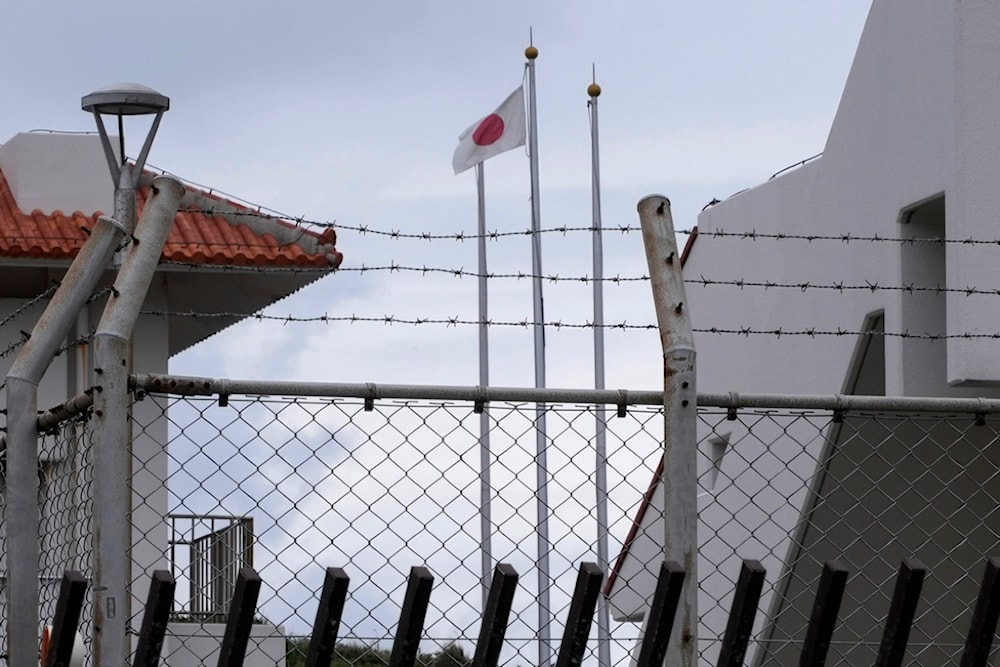
A Japanese flag flutters in the wind inside the Japan Self-Defense Forces (JSDF) base on Yonaguni, a tiny island on Japan’s western frontier, Friday, Feb. 14, 2025. (AP Photo/Ayaka McGill)
Japan’s upper house of parliament approved legislation on Wednesday establishing a new national intelligence agency aimed at strengthening the country’s intelligence gathering and policy coordination capabilities.
The law was passed following earlier approval by the lower house in late April after the Japanese cabinet endorsed the proposal on March 13.
According to parliamentary proceedings broadcast on the upper house website, the legislation creates a centralized intelligence structure tasked with collecting, coordinating, and analyzing information from various state institutions.
The move represents one of Japan’s most significant intelligence and national security reorganizations in recent years.
New intelligence council to operate under prime minister
Under the legislation, a National Intelligence Council will be established and headed directly by Prime Minister Sanae Takaichi.
The council will include nine cabinet ministers, among them the chief cabinet secretary and foreign minister, giving the body a central role in coordinating state security and intelligence operations.
A separate national intelligence agency will also be created within the Cabinet Secretariat.
The new body will be granted coordinating authority over ministries and state agencies and will have the power to request information from government departments as part of intelligence operations and policy planning.
Japanese authorities argued that the restructuring was necessary to improve the country’s ability to collect and assess strategic information amid growing regional and international tensions.
Read more: Japan arms shift draws allies amid doubts over US security role
Government frames agency as security necessity
The Japanese government said the new institution is intended to strengthen intelligence functions and improve decision-making capabilities for national policy.
Officials argued that the increasingly complex regional security environment requires stronger coordination between ministries and centralized intelligence analysis.
The legislation comes as Tokyo continues expanding its militarization amid heightened tensions in East Asia and deeper strategic alignment with the United States and Western security frameworks.
Japan has, in recent years, increased defense spending, revised security doctrines, and expanded intelligence-sharing cooperation with allied governments.
Opposition raises privacy and political concerns
Opposition parties criticized the legislation, warning that the new intelligence structure could pose risks to civil liberties and democratic oversight.
Critics pointed to concerns surrounding the protection of private information and questioned whether the agency could maintain political neutrality given its placement within the executive branch.
Opposition lawmakers also warned against the possibility of expanded state surveillance powers without sufficient independent oversight mechanisms.
The debate reflects broader concerns inside Japan regarding the balance between national security measures and constitutional protections following decades of postwar restrictions on intelligence and military institutions.


