US-caused Hormuz crisis is cracking apart its global sanctions architecture
-
 Samuel Geddes
- 28 May 2026 15:33
- 6 Shares
 6 Min Read
The US-triggered Hormuz crisis has unleashed a global energy and supply-chain shock that is rapidly eroding Washington’s sanctions regime and accelerating the breakdown of the post-1945 Western-led economic order.
-
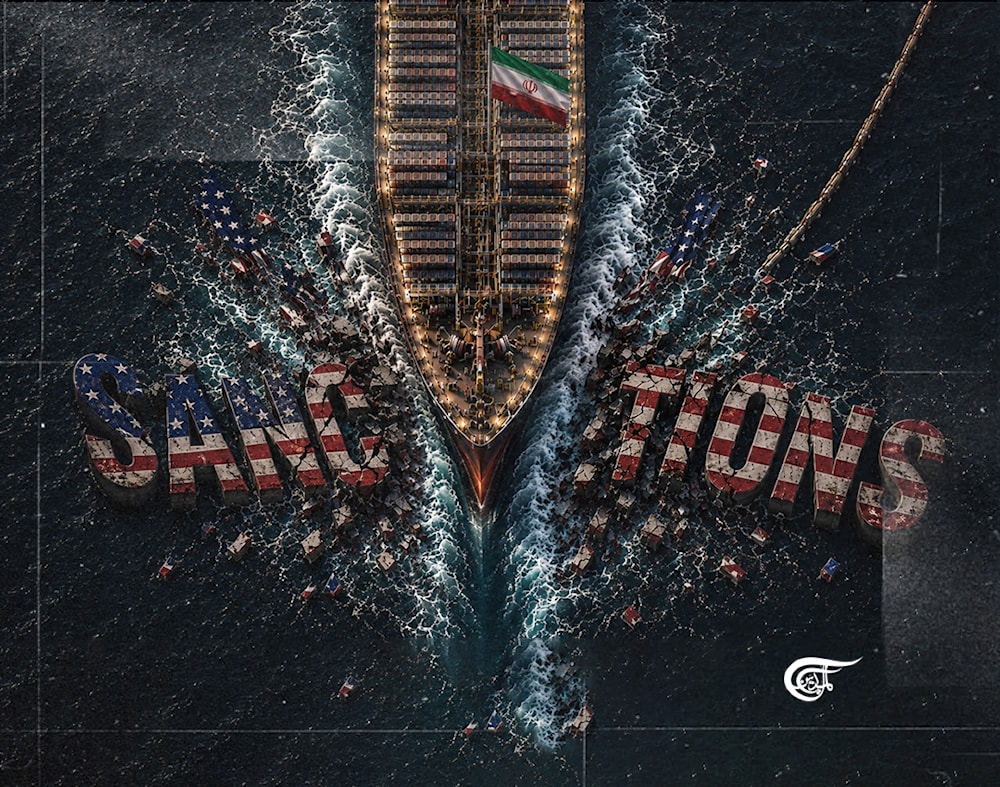
No amount of furloughing, lockdowns, or market manipulation will save the Western-dominated trading system from what is about to strike with greater force than either the Ukraine war or Covid. (Al Mayadeen English; Illustrated by Batoul Chamas)
Donald Trump’s decision to pointlessly attack Iran, triggering its inevitable retaliation by severely constraining traffic through the Strait of Hormuz, set off the largest energy shock in history, easily eclipsing all the oil crises of the 1970s, 1980s, and 2020s combined.
Concurrently, his pigheaded inability to cut his losses and end the war immediately has now baked in a cascade of financial, economic, and industrial crises that will unfold globally for the rest of this year and beyond, regardless of what he does now. Whether the war stops tomorrow or resumes at its previous intensity, a void of more than a half a trillion barrels of oil is now carving its way through global supply chains, many of which will be broken irreparably in the process.
The first definitive wave to break will arrive within weeks when the northern summer air-travel season is hit. German carrier Lufthansa has cut 20,000 flights in anticipation of jet-fuel shortages. Shortages coupled with the doubling of jet-fuel prices will cripple the vast ecosystem of low-cost carriers, least able to absorb violent price fluctuations.
In recognition of the impending travel crisis, the UK is diluting the severity of its own sanctions against Russian energy exports, imposed upon the outbreak of the Ukraine war in 2022. On May 19, Downing Street issued licenses to import jet fuel and diesel originally from Russia, provided it has been refined in a third country.
Even upon imposition, the Euro-American sanctions regime on Russia was patchy at best. China and India, as globally systemic economies, could ignore them and continue importing Russian energy without consequence. India, now leaning definitively towards the West under Modi, did not even pretend to be bound by Western moralizing against engagement with Moscow, and duly ramped up bilateral trade, forming the basis of the nascent North-South Economic Corridor intended to bridge Eurasia and the Indian Ocean via Iran. Even deeply Western-aligned regional powers such as Turkiye never made much secret that they would not adhere to Washington and Brussels’ diktats on who they could buy from.
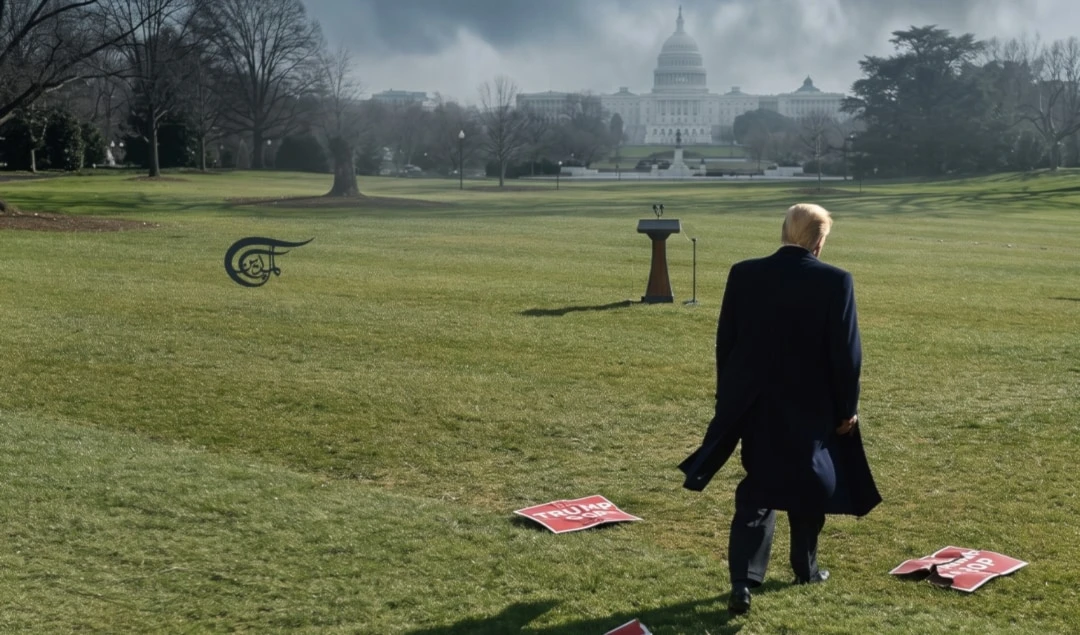

Now with Hormuz blocking most of the Persian Gulf nations’ exports, a shortfall of far greater magnitude, energy scarcity is forcing national economies into a free-for-all scramble to secure their needs. South Korea has sought to offset part of its shortfall with Russian imports, which it has up to now avoided. Japan is similarly exposed to global conditions and will inevitably end up buying from whoever it can, whether that is the US, Russia, or even Iran.
Washington, in order to preserve the fading illusion of its economic superpower status, has engaged in the fiction of granting “waivers” from sanctions for Russian customers. After February 28, it even farcically waived sanctions on Iran’s own vast seaborne export capacity to contain the spike in global prices that resulted from its aggression on Iran. If this had any effect at all, it only blunted the effects and is a tool that cannot be deployed repeatedly. On top of the strategic implications of having to allow near-record levels of exports by its two staunchest geopolitical adversaries, Washington has made itself an object of international ridicule by having to undermine its own sanctions regimes to contain the spiraling consequences of the war it thoughtlessly embarked upon.
US Treasury Secretary Scott Bessent has been giving a feeble display of sanctioning various Chinese “teapot refineries” believed to process Iranian oil imports, but the results of Trump’s limping visit to Beijing amply demonstrated that the PRC is increasingly unfazed by these antics. The effects of Trump’s 2025 “Liberation Day” tariffs against the rest of the global economy had induced an instant economic malaise on the United States that, if statistics were still being recorded, might have shown it to be in recession well before the fateful decision to assassinate Iran’s late Leader. The immediate and snowballing costs of the Hormuz crisis are doing nothing but diluting both the threat of US sanctions as coercive tools and Washington’s capacity to enforce them without seriously damaging itself.
With the second half of 2026 speeding into view, most national economies will be facing existential questions. Will air travel be indefinitely suspended? Will energy rationing be necessary to preserve vital societal functions? Will whole industries need to go dormant or be sacrificed entirely? Will economically systemic companies collapse? When these cease to be future questions in the coming weeks, any pretense of adherence to US sanctions policy will be jettisoned to ensure national survival.
Whether that means accepting total Iranian control of the Hormuz Straits and paying whatever taxes or fees it requires, buying even Iranian energy without restriction or concern for American displeasure, or sacrificing their bilateral ties with Trump’s America in exchange for access to the riches of Western Asia, the net result is almost certain to be the definitive breakdown of the globalized world economy as we have known it since at least 1945.
No amount of furloughing, lockdowns, or market manipulation will save the Western-dominated trading system from what is about to strike with greater force than either the Ukraine war or the Covid pandemic.
At that point, it becomes irrelevant to Tehran or Moscow whether American sanctions remain or go; they will have been utilized to their logical conclusion - becoming so expansive, so suffocating and so irrational that the international community opts out of the American orbit in self-preservation.