Slogan
A London-based journalist and documentary filmmaker with extensive experience in reporting for major media outlets, with her work being published by leading networks worldwide.
As Cuba grapples with energy shortages, economic hardship, and growing international isolation, Washington has intensified pressure on the island once again. While US officials frame their policy as a response to regional security concerns and democratic deficits, critics argue the renewed campaign reflects a broader effort to reassert US influence in Latin America at a time of shifting geopolitical alliances and declining American dominance in its traditional sphere of influence.
As European leaders call for restraint and diplomacy; their actions tell another story. From military infrastructure to political alignment, Europe is not standing apart from the war on Iran; it is entangled in it, exposing a deeper pattern of dependence on the United States and strategic decline.
Disruption in the Strait of Hormuz is not only a military crisis; it is revealing deeper vulnerabilities in the Western-led system that has governed global shipping for decades.
Amid fears of wider war and shifting global influence, Arab states are repositioning their approach to Tehran — signaling a move toward regional power management that reduces reliance on Washington and prioritizes stability through dialogue.
From Bosnia’s unfinished reckoning to Gaza’s unfolding catastrophe, history offers a stark warning: peace cannot be engineered through glossy initiatives that ignore accountability.
Washington’s bid for Greenland was dismissed as bluster, but it revealed cracks in NATO, questioned the reliability of the US as Europe’s security guarantor, and signaled a revival of imperial thinking in global politics.
From Mogadishu to Riyadh, "Israel’s" move has triggered rare consensus that the recognition of Somaliland risks opening a new chapter of instability, where strategic ambition overrides regional solidarity.
US seizure of Venezuelan oil tankers mark a dramatic escalation in a long-running confrontation, raising questions about legality, regional stability, and the humanitarian cost of renewed pressure on Caracas.
Exclusive interviews with a former Bosnian intelligence officer and a leading political analyst reveal why allegations of "sniper tourism"—wealthy foreigners paying to shoot civilians—are resurfacing nearly three decades after the war.
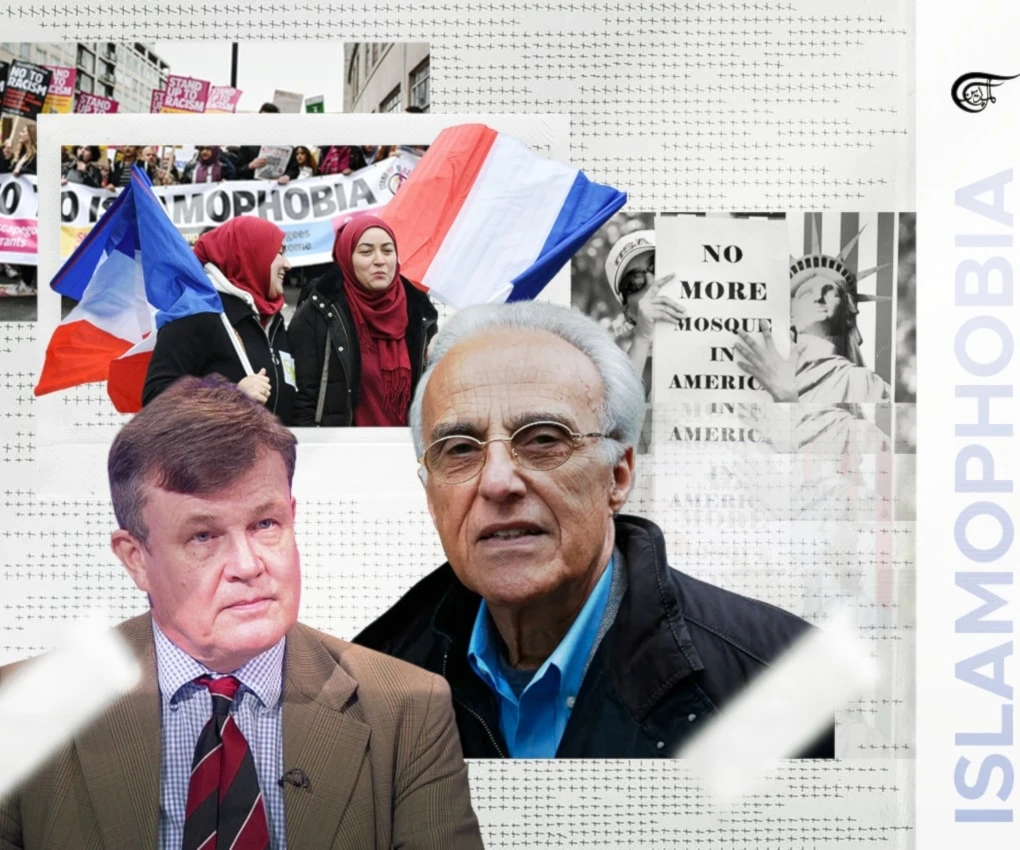
As Western leaders preach democracy abroad, their domestic politics have long relied on fear of Muslims to consolidate power, manipulate voters, and deflect from systemic failure. From London to Washington, Islamophobia has become less a prejudice than a political strategy.