
Britain energy bills surge as war on Iran drives gas prices up
 4 Min Read
British energy bills will rise 13 percent from July after soaring gas prices linked to the US-Israeli war on Iran pushed Ofgem to increase the national price cap.
-
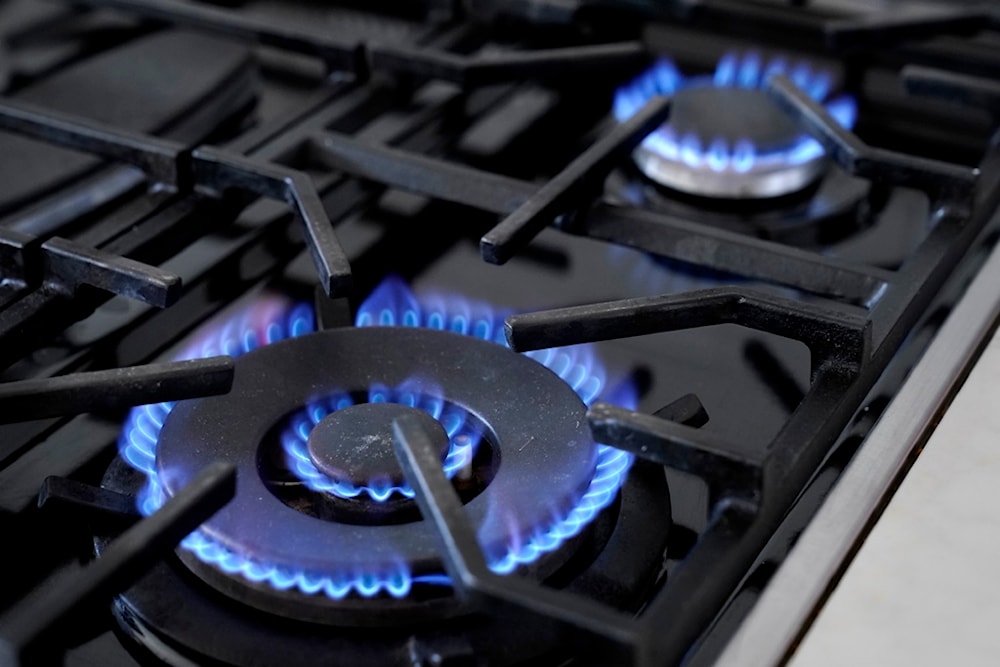
Flames emerge from burners on a natural gas stove, Wednesday, June 21, 2023, in Walpole, Mass. (AP Photo/Steven Senne)
British households will face another sharp rise in energy costs after regulator Ofgem increased the national price cap by 13 percent amid soaring wholesale gas prices linked to the US-Israeli war on Iran.
Beginning in July, average annual household energy bills are expected to rise to £1,862, up roughly £221 from the previous quarterly cap of £1,641, which covered April through June.
The increase will primarily affect millions of households on variable tariffs and comes as Britain continues to grapple with prolonged inflation, stagnant economic growth, and worsening cost-of-living pressures.
Analysts warned that prices could climb further if disruptions continue around the Strait of Hormuz, a strategic maritime corridor through which a significant share of global liquefied natural gas shipments passes.
Gas prices spike following US military escalation
Wholesale British gas prices have surged approximately 45 percent since the United States launched military action against Iran on February 28, escalating instability across West Asia and threatening global energy flows.
The war on Iran led to disrupted transit through the Strait of Hormuz, a route carrying roughly one-fifth of global LNG supplies.
Wholesale gas costs remain the largest factor shaping Ofgem’s quarterly price cap calculations, alongside network charges and environmental levies.
The renewed energy shock has intensified concerns across Europe over dependence on imported fuel and exposure to geopolitical instability tied to Western military interventions and regional conflicts.
Read more: UK food prices to remain high due to pressure from war on Iran
British government faces mounting pressure
The price increase adds further political pressure on UK Prime Minister Keir Starmer as households continue facing rising costs for food, housing, and utilities.
Energy Minister Ed Miliband described the increase as “deeply unwelcome news for households across the country.”
“The rise in the price cap because of a war we did not choose is deeply unwelcome news for households across the country,” Miliband said in a statement.
Consumer advocates warned that many low-income families are already struggling with energy debt and may face worsening hardship during the coming months.
Calls grow for emergency household support
Advocacy organizations urged the British government to introduce targeted support measures for vulnerable households.
National Energy Action Chief Executive Adam Scorer called on authorities to provide urgent financial relief and debt assistance.
“Now is the time for the government to set out targeted interventions to help those on the lowest incomes afford their energy and to clear their debt,” Scorer said.
The government has promoted renewable energy expansion, including wind and solar projects, as part of its long-term strategy to reduce dependence on gas imports.
Earlier this year, London shifted some energy levies in an effort to reduce average annual bills by approximately £150.
Analysts expect additional increases later this year
Despite those measures, current household energy costs remain roughly 46 percent higher than levels recorded before the escalation of the Ukraine war in 2022, which triggered a major surge in European energy prices.
Research firm Cornwall Insight forecasts that Britain’s energy cap could rise again in October to around £1,899 if tensions surrounding the war on Iran remain unresolved.
The worsening outlook has raised concerns over consumer confidence and domestic spending.
Recent economic data showed British consumers increasingly cutting purchases, seeking cheaper food options, and delaying major spending decisions amid sustained inflationary pressure.
The Bank of England expects inflation to approach 4 percent by the end of the year, remaining well above its long-standing 2 percent target.
Read more: BP faces 'environmental genocide' lawsuit over Kenya toxic waste case


