
Anti-Iran channel receives £650mln debt relief amid scrutiny
 4 Min Read
Iran International received £650 million in debt relief as questions persist over the funding, political role, and foreign connections of the London-based anti-Iran broadcaster.
-
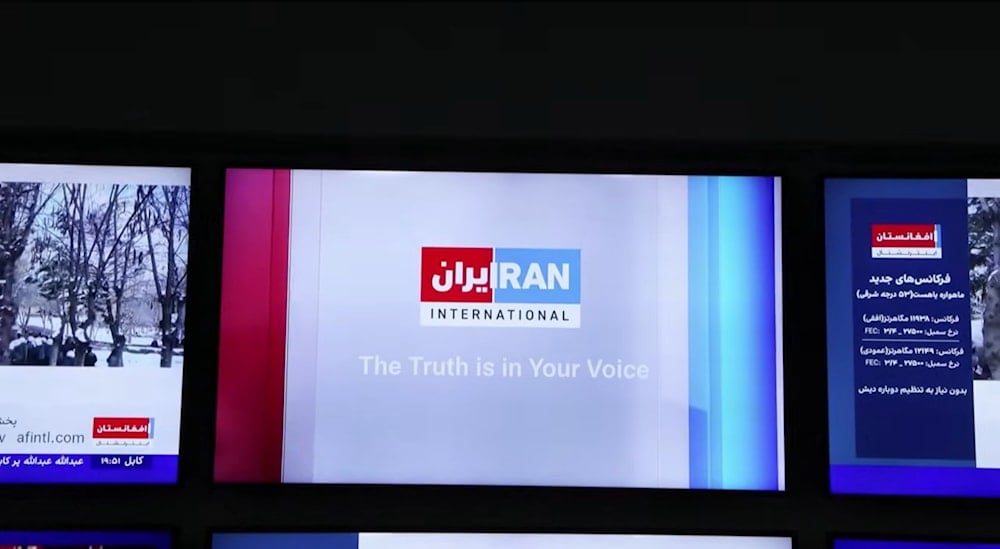
Screenshot from a video showing an Iran International broadcast published on January 27, 2026. (Youtube/AFP)
The parent company of London-based Persian-language broadcaster Iran International received £650 million in debt relief from shareholders late last year, according to a report by the Financial Times citing newly disclosed corporate filings that have renewed scrutiny over the network’s financing and political role.
The debt-for-equity swap significantly strengthened the balance sheet of Volant Media UK, the company behind Iran International and Afghanistan International, after years of heavy financial losses reportedly exceeding £410 million over the past five years.
The restructuring occurred in December, shortly before a period of manufactured unrest and escalation in Iran and subsequent US-Israeli war on the Islamic Republic.
Iran International has emerged in recent years as one of the most prominent Persian-language media outlets aligned against the Islamic Republic. The network is known to amplify regime-change narratives and provide a platform for pro-Western opposition figures closely linked to US and Israeli agendas.
Questions intensify over foreign funding and political alignment
Corporate filings reviewed in the UK show that Volant Media issued 648 million shares valued at £648 million on December 13 as part of the restructuring.
Separate filings indicated that the company’s original shares were transferred to Cayman Islands-based Info-Cast Cayman Limited, whose sole listed director is Saleh Hussain Aldowais.
A person with the same name serves as chief operations officer at the Saudi Research and Media Group (SRMG), one of Saudi Arabia’s largest state-backed media organizations.
SRMG did not respond to the Financial Times' requests for comment cited in the report.
Iran International has long refused to publicly identify its financial backers, fueling persistent questions regarding the broadcaster’s links to Gulf states and Western intelligence-aligned political interests.
The network claims it is financed by private commercial investors and denies receiving state funding from Saudi Arabia, "Israel", or other governments.
The Financial Times reports that one of Iran International's spokespersons stated that the debt conversion was conducted solely to strengthen the company’s balance sheet and that “no new funds were introduced at that point.”
Iran accuses network of destabilization efforts
Iranian authorities have repeatedly called out Iran International for functioning as a hostile propaganda platform designed to destabilize the country and support foreign-backed regime-change efforts.
The channel prominently featured monarchist figures and opposition activists calling for the overthrow of the Islamic Republic during the riots of 2022.
The network extensively promoted statements by Reza Pahlavi, son of the deposed Shah, including appeals backing the US-Israeli war on Iran.
Iran’s Intelligence Ministry designated the broadcaster a “terrorist organization” in 2022, accusing it of incitement and coordination with hostile foreign actors.
UK regulation and media oversight concerns emerge
Iran International currently operates in Britain as an online streaming platform rather than a conventional television broadcaster, meaning it is no longer regulated under the full impartiality standards imposed by Ofcom.
The outlet is instead classified as an on-demand service, subject to weaker regulatory obligations.
Critics have argued that the regulatory shift has allowed politically aligned broadcasters greater freedom to promote interventionist narratives and opposition campaigns targeting states opposed by Western powers.
The network employs around 700 staff globally and broadcasts into Iran through satellite television, radio, and social media platforms.
Adel Abdulkarim Alabdulkarim, a British-Saudi media executive who remains listed as having significant control over Volant Media, is also linked to production companies involved in creating political documentaries focused on Iran.
The productions align closely with broader Western and Gulf-backed media narratives portraying Iran as a destabilizing regional force while amplifying opposition movements aligned with US strategic objectives.


