
Netherlands refuses to join US Strait of Hormuz blockade
 3 Min Read
The Netherlands says it will not support US plans to blockade the Strait of Hormuz, as tensions rise following failed Iran-US talks and maritime security concerns.
-
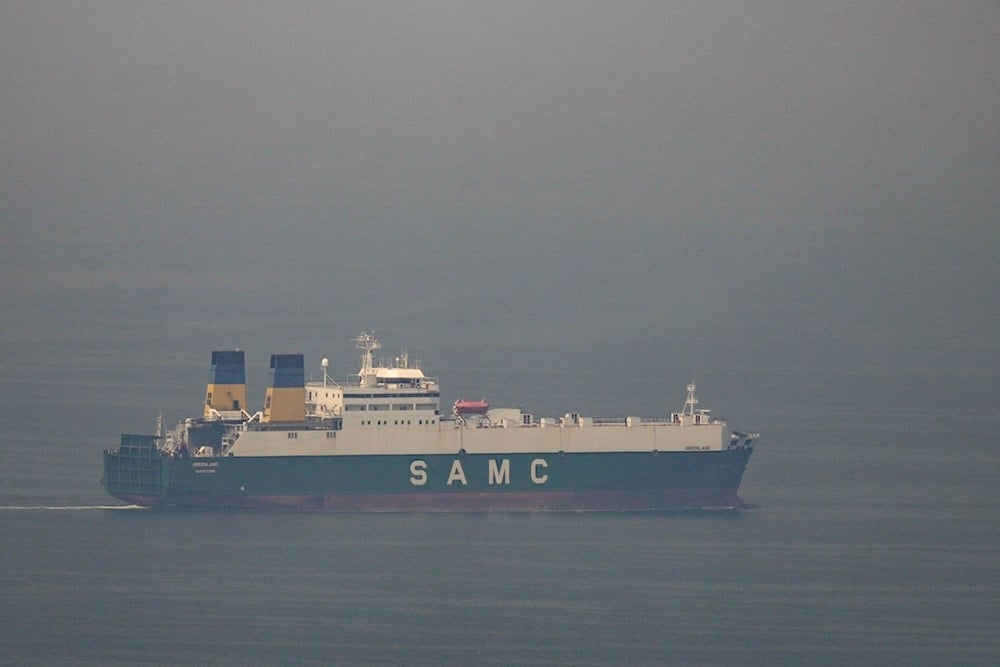
A cargo ship sails in the Arabian Gulf towards Strait of Hormuz in United Arab Emirates, Sunday, March 15, 2026 (AP Photo/Altaf Qadri)
The Netherlands has said it will not support a proposed United States-led blockade of the Strait of Hormuz, distancing itself from Washington’s latest escalation following failed talks with Iran.
Dutch Defense Minister Dilan Yesilgoz-Zegerius stated on Monday that Amsterdam does not intend to participate in any blockade of the strategic waterway.
"We are not dealing with this issue now. It is a new circumstance, isn't it? Sometimes the US blocks it, sometimes Iran, it is very hard to understand who is doing what ... But I do not see us participating in a blockade," the minister told NPO Radio 1.
On Sunday, US President Donald Trump announced that Washington would begin blockading the Strait of Hormuz. Trump said he had instructed the US Navy to seek out and interdict vessels paying tolls to Iran in exchange for passage through the key maritime route, a move that could significantly escalate tensions internationally.
Despite his threats, Yesilgoz-Zegerius added that the Netherlands remains in close coordination with its allies, focusing on the next phase of efforts to ensure the safety and security of navigation in the Strait of Hormuz.
Shipping through Hormuz stalls
Shipping activity in the Strait of Hormuz has declined to minimal levels, according to maritime tracking data cited by RIA Novosti, as concerns intensify over the potential enforcement of a US naval blockade following the collapse of negotiations with Iran.
The data showed that, as of 11:57 GMT, only a small number of vessels remained in transit, including a tanker registered under the Comoros flag and grain carriers sailing under Panama and Marshall Islands flags, indicating a sharp contraction in movement through the critical corridor.
At the same time, oil prices jumped back above $100 per barrel on Monday, while global stock markets declined as investors reacted to the US blockade of the Strait of Hormuz. The move intensified concerns over energy supply disruptions from West Asia.
Market participants say the risk of rising inflation driven by higher oil prices and supply shortages is shifting attention toward corporate earnings, with several major listed companies set to release first-quarter results this week.
Read more: Bluff or blockade? Trump’s Hormuz talk under scrutiny


