
PGSA warns ships against using unauthorized routes in Hormuz
 3 Min Read
Iran's PGSA warns that vessels using unauthorized routes through the Strait of Hormuz will not receive safe-passage guarantees or related insurance coverage, as Iran asserts its control over maritime coordination in the strategic waterway.
-
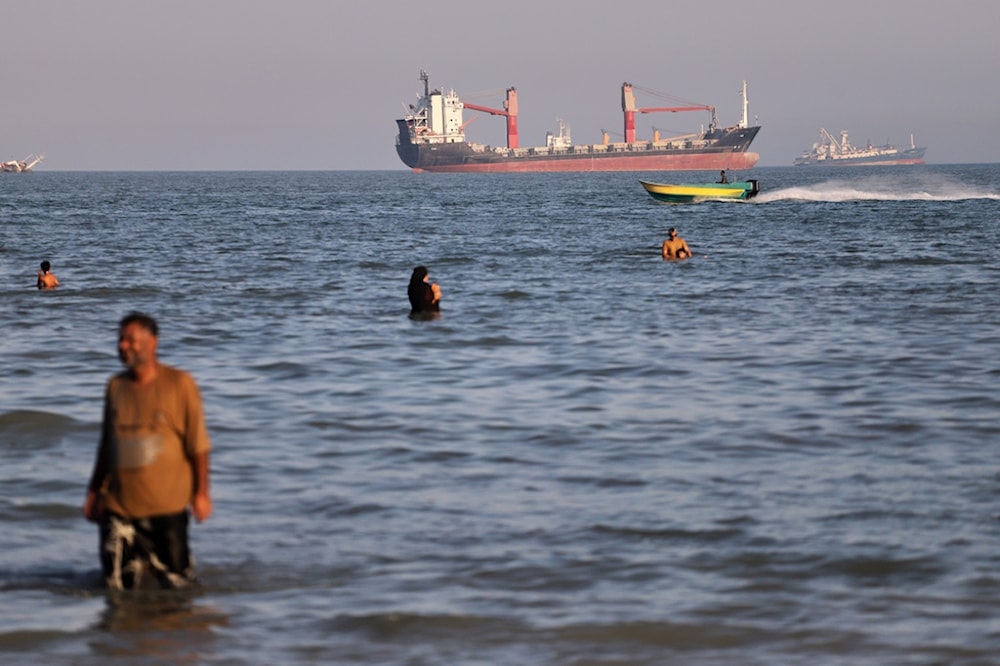
Residents swim in the waters of the Strait of Hormuz as a small motorboat passes cargo ships and other commercial vessels offshore near Bandar Abbas, Iran, Wednesday, June 17, 2026 (AP)
Iran’s Persian Gulf Strait Authority (PGSA), which is responsible for managing the Strait of Hormuz, warned Thursday that vessels moving outside its approved routes would not be covered by safe-passage guarantees, as the United Nations shipping agency paused an evacuation initiative for ships stranded around the Strait of Hormuz following an attack on a vessel in the Gulf of Oman.
In a statement posted on X in response to repeated inquiries, PGSA said any transit “outside the framework set by PGSA” would not fall under guarantees of safe passage and would not benefit from insurance coverage or related responsibilities.
The authority added that any consequences resulting from movement through unauthorized routes would fall on “the owner, operator, and commander of the vessel.”
PGSA در پاسخ به استعلامهای مکرر اعلام میکند:
— PGSA | نهاد مدیریت آبراه خلیج فارس (@PGSA_IRAN) June 25, 2026
هرگونه تردد از مسیرهای خارج از چارچوب تعیینشده PGSA، مشمول تضمین عبور ایمن نبوده و از پوشش بیمه و مسئولیتهای مرتبط برخوردار نخواهد بود.
تبعات ناشی از تردد از مسیرهای غیرمجاز، برعهده مالک، بهرهبردار و فرمانده شناور خواهدبود.
IMO pauses evacuation effort
The International Maritime Organization said Thursday it had temporarily paused its evacuation framework after a vessel that had passed through the Strait of Hormuz sustained damage in the Gulf of Oman.
“I have been informed of an attack today in the Gulf of Oman on a vessel which passed through the Strait of Hormuz. This vessel did not transit under IMO’s evacuation framework,” IMO Secretary-General Arsenio Dominguez said in a statement.
“I have decided to temporarily pause its implementation in order to reconfirm that the necessary safety guarantees continue to be in place for the ships on our evacuation list and all those in the region,” he added.
The IMO did not provide details about the vessel that was attacked. Earlier, the British maritime agency UKMTO said a container ship had reported a suspected attack while attempting to pass through the strait near the coast of Oman. A maritime security source said the vessel was likely targeted by a drone, though it was not immediately clear who carried out the attack.
Dozens of ships had used UN framework
The IMO evacuation initiative was launched on Tuesday as a voluntary mechanism to help ships and crews leave the Gulf through two routes: one through Iranian waters and another through Omani waters with US oversight.
Initial IMO data showed that 57 ships carrying around 1,100 seafarers had crossed the Strait of Hormuz under the evacuation plan between June 23 and the morning of June 25.
The pause now raises questions over whether the evacuation framework can continue without renewed safety guarantees from the parties involved, particularly as Iran has objected to routes it says were not properly coordinated with Tehran.
Tehran insists on approved routes
PGSA’s statement suggests Iran is seeking to confirm a clear maritime framework for all vessels crossing the strategic waterway. Tehran has repeatedly stressed that safe passage through the strait requires coordination with the Iranian-established authority, especially since the Strait was mined in the beginning of the US-Israeli war on Iran.
The latest warning also comes after PGSA introduced rules requiring vessels to submit transit requests at least 48 hours before crossing Hormuz. Under the temporary arrangements linked to the US-Iran understanding, transit-related fees are reportedly waived for 60 days, while Iran covers safety, security, environmental, and insurance-related services during the interim period.
Read more: How the war on Iran keeps driving global prices months later


