
US eyes indefinite US-Iran nuclear deal, no 'sunset provisions': Axios
 4 Min Read
Kushner and Witkoff's message to Trump tomorrow will significantly influence the president's decision to pursue talks or unleash strikes on Iran.
-
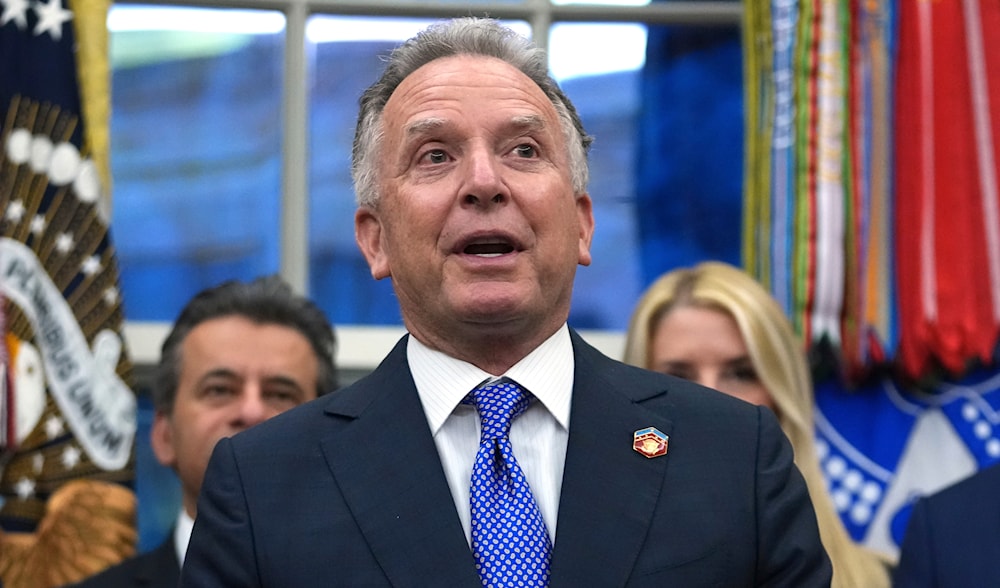
White House Special Envoy to the Middle East Steve Witkoff speaks at an event in the Oval Office of the White House, Thursday, Jan. 29, 2026, in Washington (AP)
White House envoy Steve Witkoff told a private gathering on Tuesday that the Trump administration is demanding that any future nuclear agreement with Iran remain in effect indefinitely, Axios reported, citing multiple sources familiar with his remarks. The comments came just two days before the next round of nuclear talks is set to begin in Geneva.
Speaking to a group of AIPAC donors in Washington, Witkoff said, according to sources, “We start with the Iranians with the premise that there is no sunset provision. Whether we get a deal or not, our premise is: you have to behave for the rest of your lives."
Witkoff noted that current talks are focused on nuclear issues, particularly Iran’s uranium enrichment capabilities and the status of its existing stockpile of enriched uranium.
He added that if a nuclear deal is reached, the administration aims to pursue follow-up talks on Iran’s missile program and its support for Resistance groups in the region. Witkoff suggested that these discussions could involve other countries in the Middle East.
The remarks signal that the Trump administration is pushing for a more expansive and long-term approach to limiting Iran’s nuclear and regional activities, potentially extending beyond the framework of the nuclear deal itself.
The 'sunset provisions'
US President Donald Trump and other critics of the 2015 Iran nuclear agreement negotiated under former President Barack Obama long argued that the deal’s “sunset provisions” were among its most significant flaws. Those provisions allowed key restrictions on Iran’s nuclear program to expire gradually over time.
Under the 2015 agreement, formally known as the Joint Comprehensive Plan of Action (JCPOA), most limitations on Iran’s nuclear activities were set to lapse between eight and 25 years after the deal was signed. In exchange, Iran pledged that it would never pursue a nuclear weapon. Trump withdrew the United States from the agreement in 2018, calling it insufficient.
Ruling out "sunset provisions" in a future deal would mark a major departure from the JCPOA framework. Such a move could strengthen the agreement’s long-term restrictions and make it easier for Trump to present it domestically as a tougher and more durable upgrade to the Obama-era deal.
Meanwhile, Iran’s Foreign Minister Abbas Araghchi said in an interview for CBS last weekend that Tehran could sign a “better” agreement that ensures its nuclear program “remains peaceful forever,” signaling potential openness to revised terms ahead of the upcoming talks in Geneva.
Stakes at their highest
A third round of indirect talks is scheduled for Thursday to discuss a detailed nuclear proposal drafted by Tehran. Axios reported, citing a source with direct knowledge of the matter, that Iran’s political leadership had “cleared” the proposal, though it remains unclear whether it has formally been handed to US officials, Axios reported.
The meeting is widely viewed as a potential last opportunity for a diplomatic breakthrough. According to Axios, the message Kushner and Witkoff deliver to Trump afterward could significantly influence whether the president opts to pursue talks or launch military action against Iran.
In his State of the Union address on Tuesday, Trump said he prefers a diplomatic solution to prevent Iran from obtaining a nuclear weapon, while also outlining the case for possible military action.
For his part, Araghchi told India Today that his objective in Geneva is to avert war. “In the previous round, we made progress. We were able to reach a kind of understanding, and I think based on those understandings we can build something in the form of an agreement, a deal,” he said.


