
War on Iran drives global fuel market toward supply crisis
 4 Min Read
Global fuel markets face mounting pressure as the Iran war, Strait of Hormuz disruption and refinery outages in Russia and West Asia tighten supplies.
-
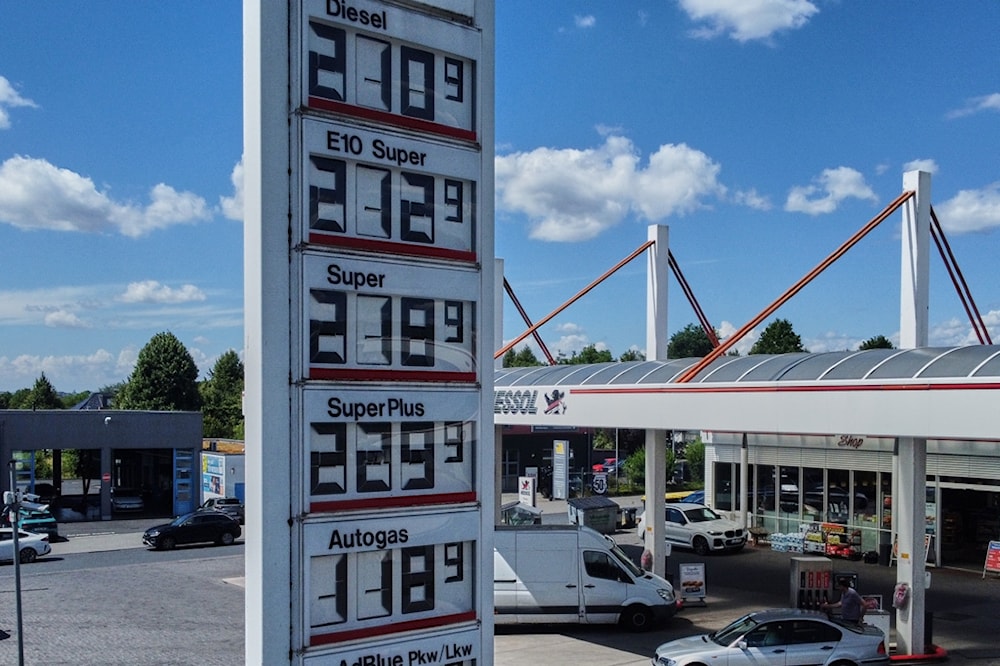
Fuel prices are displayed at a gas station in Frankfurt, Germany, Wednesday, July 1, 2026, the day after the government's fuel discount ended. (AP Photo/Michael Probst)
Global fuel supplies are coming under increasing pressure as the US war on Iran and the confrontation surrounding the Strait of Hormuz disrupt crude and refined fuel flows.
CNN reported on Wednesday that the disruption has expanded from an oil supply shock into a broader fuel crisis, affecting gasoline, diesel, and jet fuel markets.
"This is man-bites-dog news. The market is screaming that we’re short," Bob McNally, founder and president of Rapidan Energy Group, told CNN.
Refineries across West Asia have been affected by the war, while facilities that remain operational have faced difficulties transporting crude and refined products amid the standoff around the Strait of Hormuz.
The disruption is placing additional pressure on global energy supplies as the United States continues its war on Iran.
Read more: The Memo- Trump’s rhetoric masks frustration, critics say: The Hill
Russia cuts fuel exports amid refinery disruptions
Approximately 40% of Russia’s refining capacity is offline following Ukrainian drone attacks, according to Capital Economics. The affected capacity represents around 3% of global refining capacity.
Moscow has responded to domestic fuel shortages by extending bans on gasoline and diesel exports through the end of January 2027.
China has also restricted fuel exports to protect domestic supplies.
Beijing has reduced its oil imports, helping limit pressure on crude prices, while simultaneously seeking to prevent shortages in its domestic fuel market.
The disruptions have increased the importance of US Gulf Coast refineries, which are operating at high levels amid elevated refining margins.
US refiners benefit from fuel shortages
Bank of America analysts warned that the global fuel market is entering a period of high seasonal demand with "very little margin for error."
Shares of Marathon Petroleum and Valero Energy have more than doubled this year, while Phillips 66 has gained almost 90%.
Major US oil companies are also benefiting from elevated energy prices. ExxonMobil earned $160 million per day last quarter, according to CNN.
The elevated refining margins come as households and businesses face substantially higher fuel costs.
Read more: Iran warns regional states over military cooperation with US
Gasoline and diesel prices rise
The US national average for regular gasoline reached $4.07 per gallon on Tuesday, up 30% from the same period last year.
Diesel prices have increased by 48% year-over-year, increasing costs across agriculture, freight, rail transportation, and other sectors dependent on diesel fuel.
Research from Brown University’s Climate Solutions Lab estimates that higher diesel prices have cost US consumers nearly $40 billion since the war began.
Jet fuel prices have also risen by more than 70% over the past year. Airlines have responded by raising fares and baggage fees and reducing less profitable flights.
"The consumer-facing impact is showing up at the pump and at the airport, and that is where the pressure is going to build from here," Rystad Energy analysts wrote last week.
Energy crisis adds to pressure on US economy
The continued disruption risks keeping fuel prices elevated and adding to inflationary pressures in the United States and other economies.
CNN reports that Bank of America said diesel prices are likely to remain near cycle highs if supply problems affecting West Asia, China, and Russia continue.
"Unless Middle East, China and/or Russia supply issues are resolved, diesel prices are likely to remain near cycle highs, with further upside risk if inventories continue to draw into the winter," the Bank of America said.
The developments come as Washington continues its war on Iran and attempts to exert pressure around the Strait of Hormuz.
The resulting disruption has exposed the economic costs of the US escalation, with the effects extending from global energy markets to consumers, transportation, and industrial activity.rea


